Als Zulieferer und Lohnfertiger für CNC-Zerspanungsteile bieten wir Ihnen das komplette Programm der CNC-Zerspanung: Aus einer Hand!
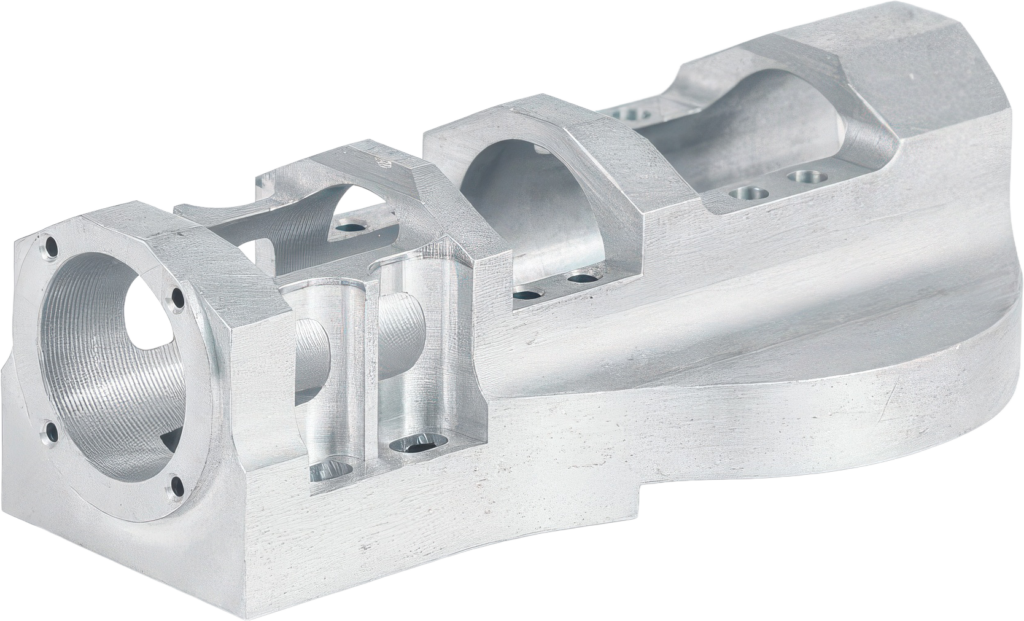
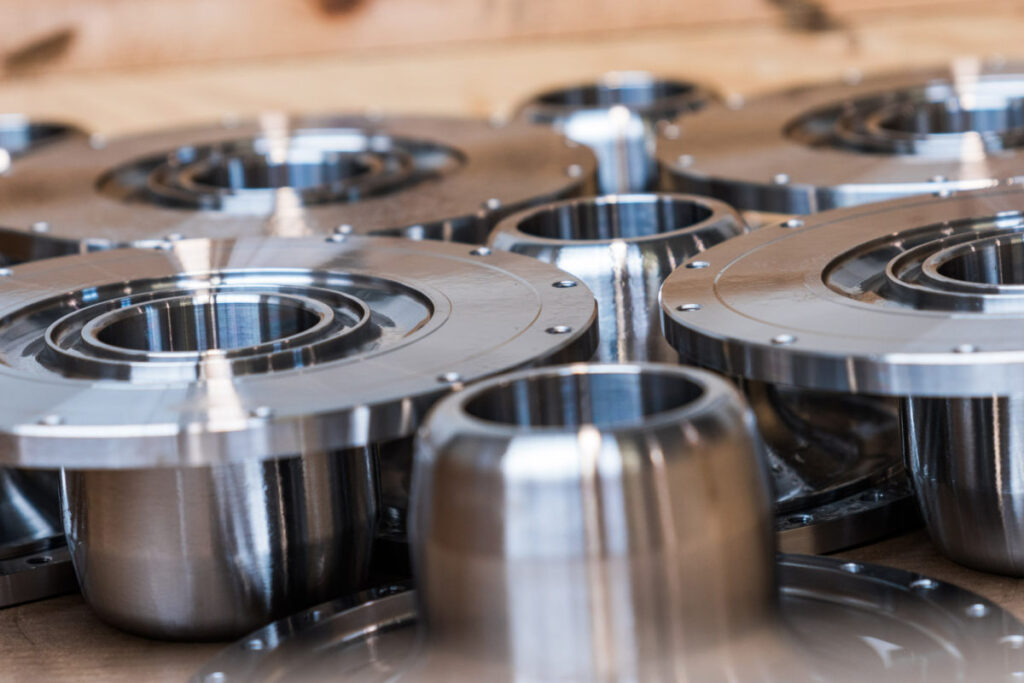
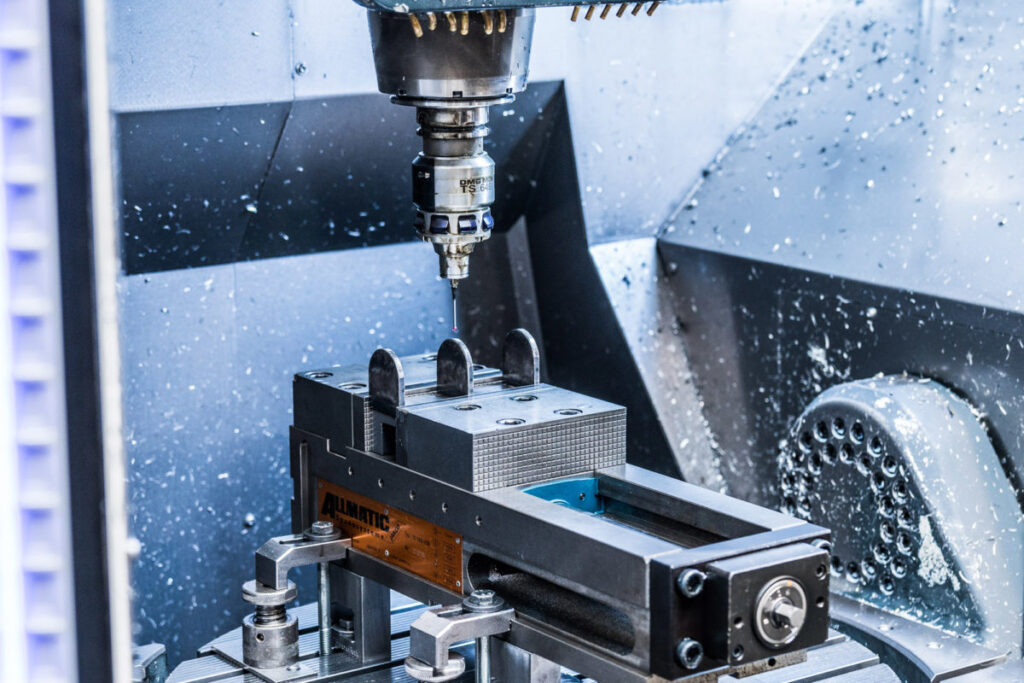
Für Sie fräsen und drehen wir im Dreischichtbetrieb. Das ermöglicht schnelle und zuverlässige Lieferzeiten – und bei Bedarf Kapazitäten für Schnellschüsse. Im Bereich der Zerspanung fertigen wir Ihre CNC-Teile auf modernsten CNC-Maschinen, wie zum Beispiel unsere DMU 75 monoBlock oder unsere CTV 315. Vollautomatisch, mit maximaler Präzision und absolut wirtschaftlich sind wir als Zulieferer so in der Lage, MADE IN GERMANY zu Spitzenpreisen anzubieten.
Unser Maschinenpark umfasst moderne CNC-Bearbeitungszentren. In den meisten Fällen können wir Ihnen alle Bearbeitungsschritte vom Drehen, Fräsenund Bohren auf nur einer CNC-Maschine anbieten. Das spart Zeit für das Einrüsten und minimiert Fehlerquellen in der CNC-Teilefertigung. SPALECK in Bocholt und Greiz bietet Ihnen eine schnelle, höchst präzise und wirtschaftliche Produktion Ihrer CNC-Teile.
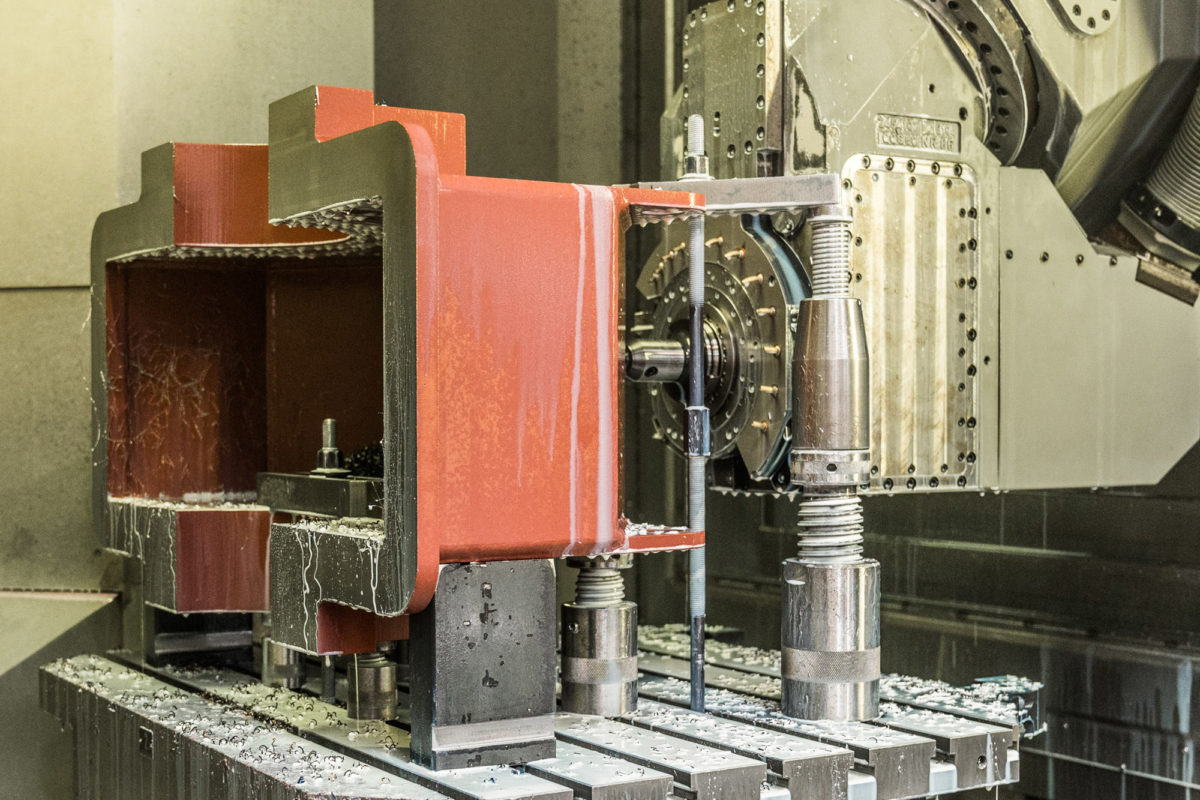
Unsere SPALECK Zerspanungsmechniker sind top ausgebildete Fachkräfte. An unseren modernen CNC-gesteuerten Bearbeitungszentren fertigen sie Ihre-CNC Teile genau nach Kundenwunsch.
Als einer der größten CNC-Teile Zulieferer in NRW und Thüringen profitieren Sie direkt vom umfassenden Fertigungs-Know-how.
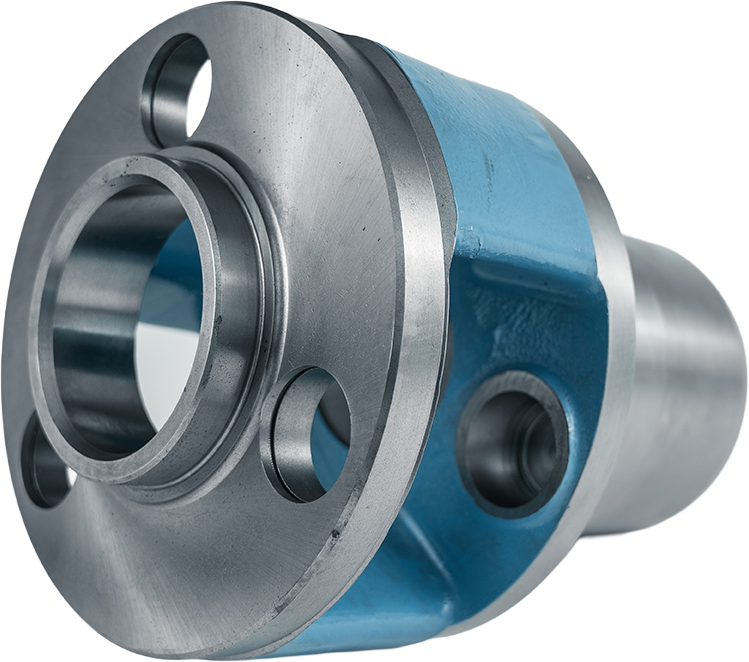
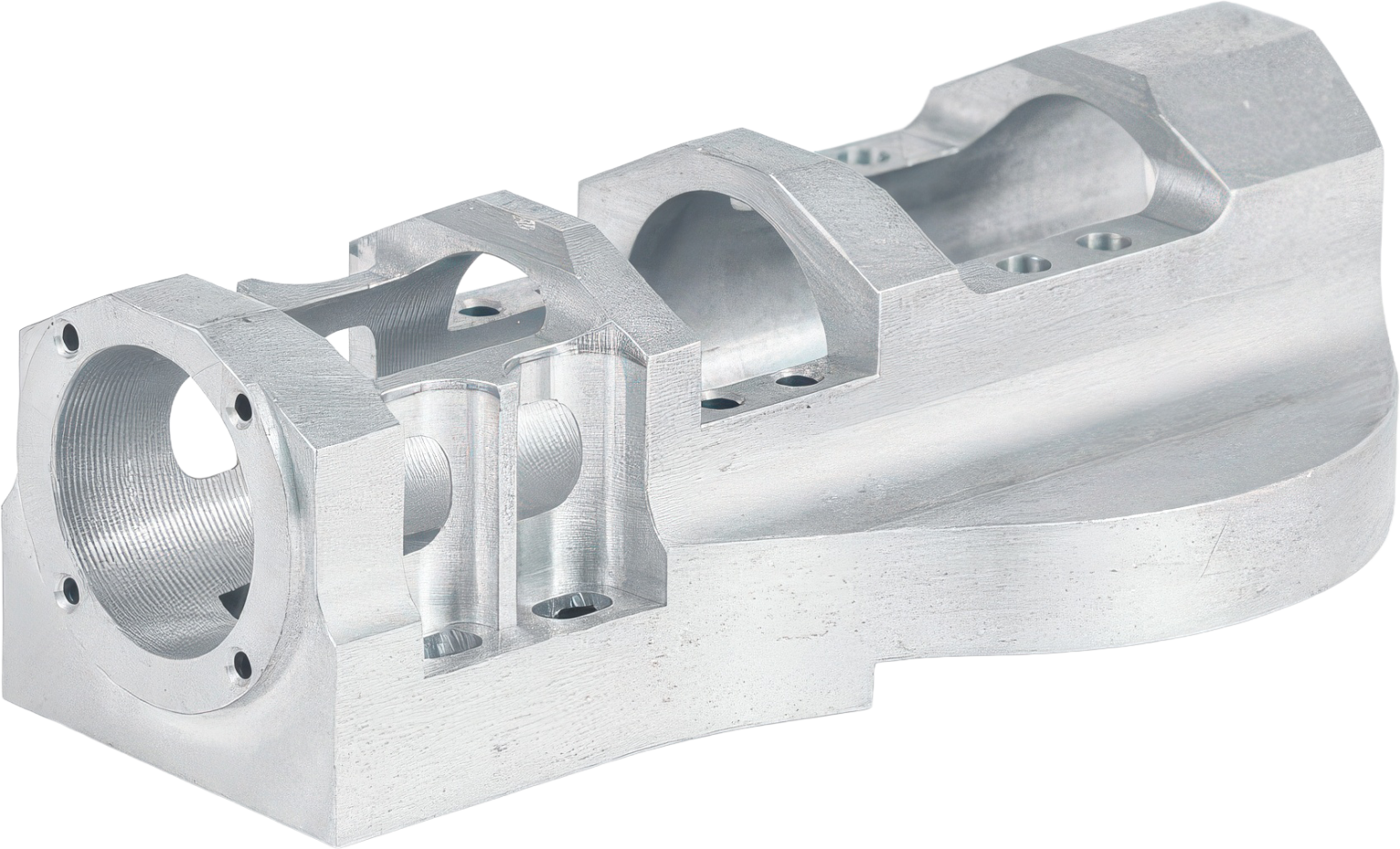
Egal ob sehr anspruchsvolle Einzelstücke, Neuentwicklungen in Serie oder spezielle CNC-Teile: SPALECK ist Ihr Ansprechpartner und Zulieferer Nr. 1 für CNC-Drehteile, CNC-Frästeile und die Großteilefertigung sowie für die Metallverarbeitung, inklusive Laserteilen und Laserschneiden, dem Abkanten & Umformen, Schweissbaugruppen und Baugruppenmontage.
01
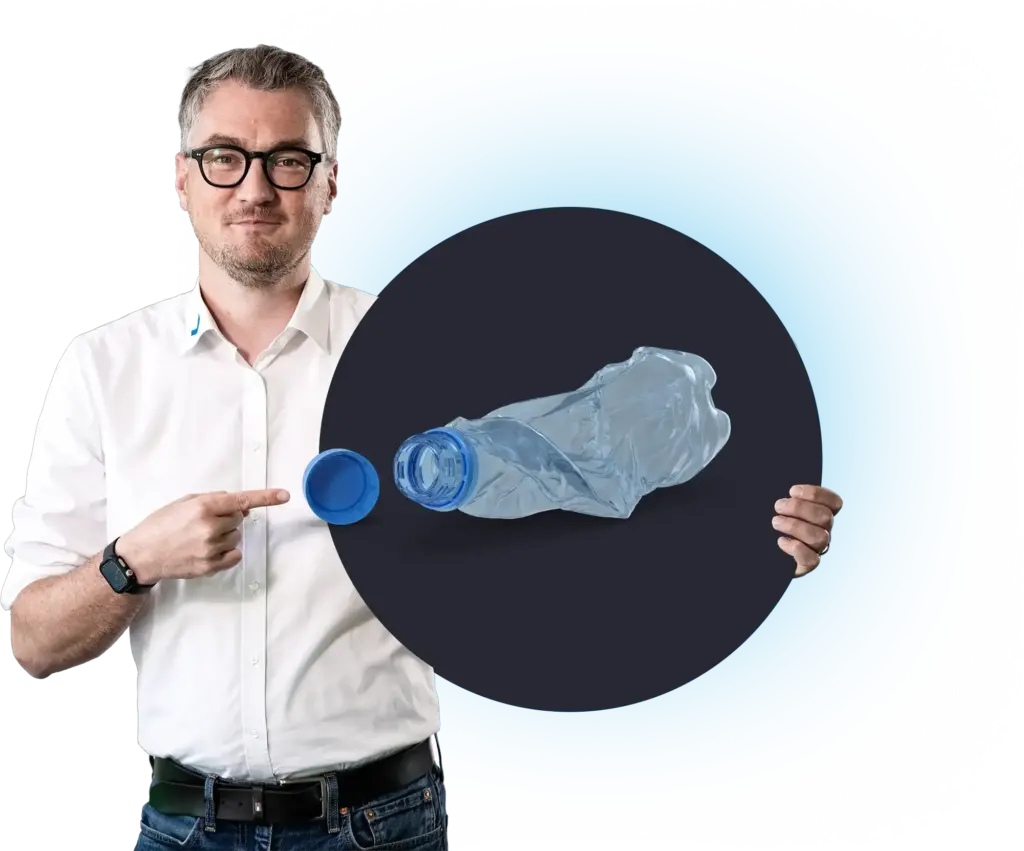
Die SPALECK 3D COMBI eignet sich hervorragend zur Klassierung von siebschwierigen, klebrigen und feuchten Materialien bei Trennschnitten von ca. 0,2 bis 120 mm. Nachfolgend finden Sie eine kleine Auswahl an typischen Recyclingmaterialien, die sich mit dieser Siebmaschine aufbereiten lassen. Mit Sicherheit ist Ihr Produkt auch dabei!
Jede einzelne SPALECK 3D COMBI Siebmaschine entwickeln und bauen wir zu 100 % zugeschnitten auf die jeweilige Anwendung des Kunden. So können Sie sicher sein, dass unser Kombisieb Ihr Material optimal klassiert und siebt.
Keine passende Stelle gefunden? Wir freuen uns über Deine Initiativbewerbung – wir melden uns, sobald wir eine passende Möglichkeit sehen.
Gerade keinen Lebenslauf zur Hand, aber ein Stellenangebot ist genau das Richtige für Dich? Dann erstelle einfach, schnell und kostenlos Deinen Lebenslauf mit tollen Vorlagen!
Vergleich Siebmaschinentypen mit Praxisbezug
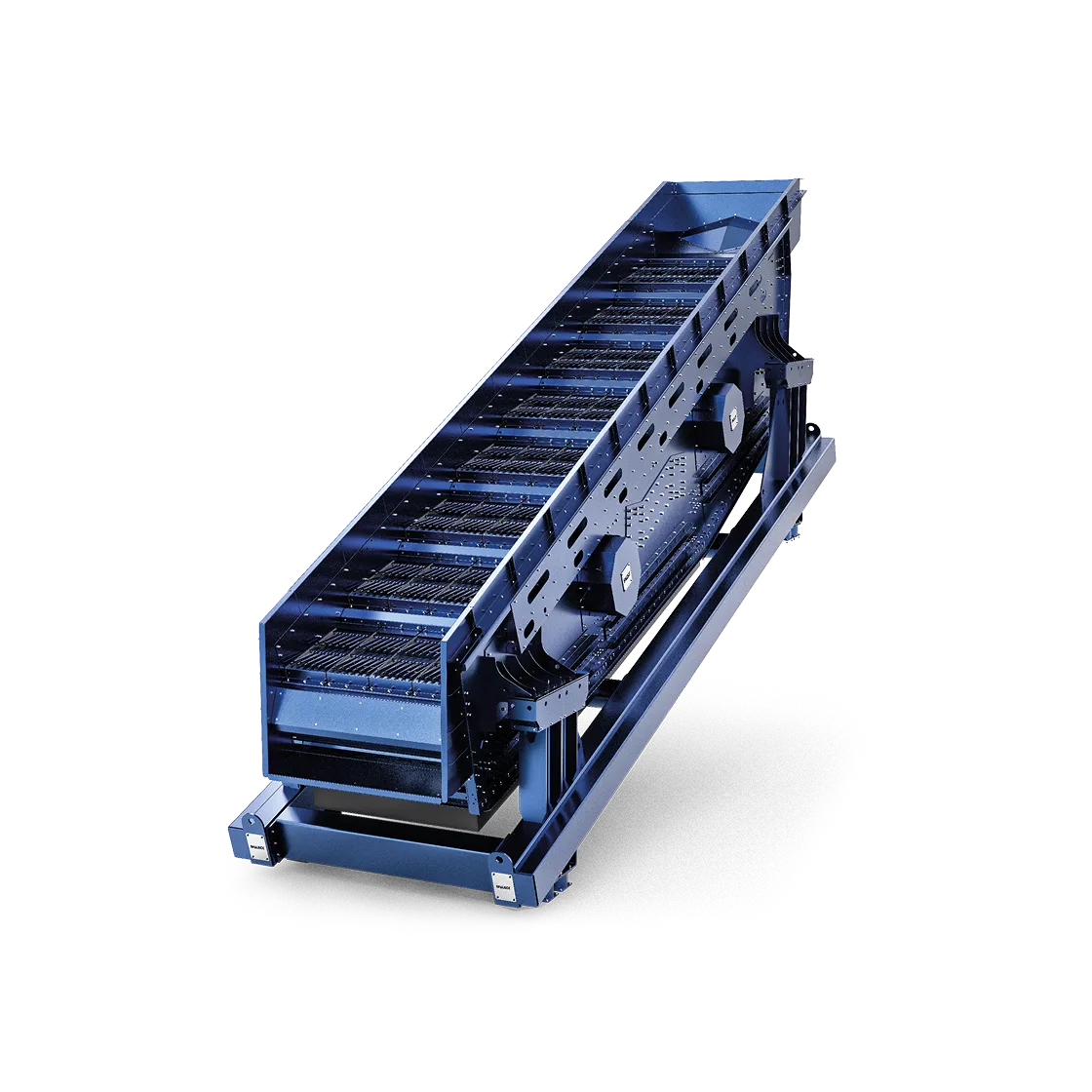
Leistungsträger für Ihre Anlage
Siebqualität
++
Anzahl Siebfraktionen
bis zu 5
Integrationsmöglichkeit in Ihre Recyclinganlage
++
Wartungsaufwand
gering
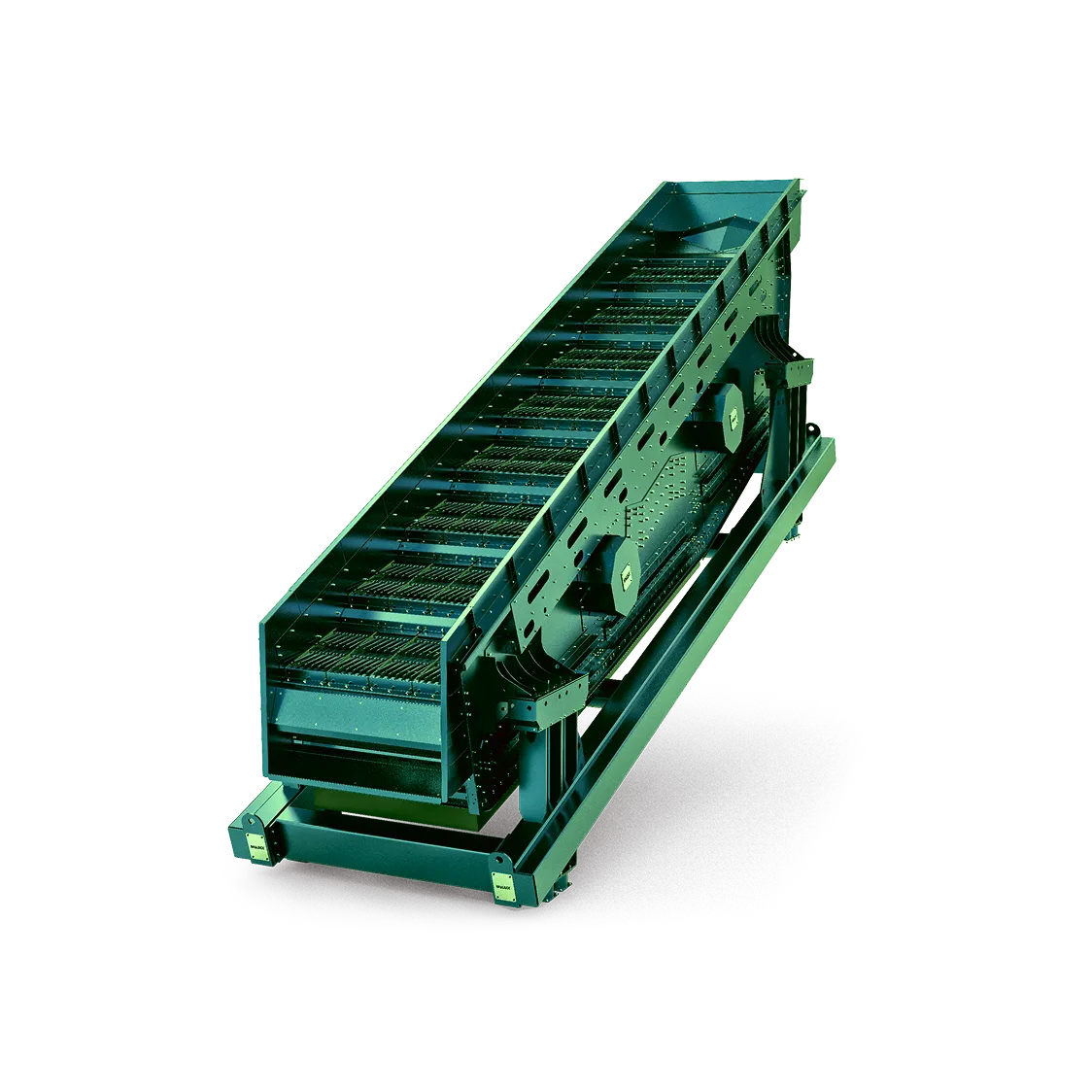
Einsetzbar für relativ anspruchslose Materialien
Siebqualität
++
Anzahl Siebfraktionen
max 2-3
Integrationsmöglichkeit in Ihre Recyclinganlage
-
Wartungsaufwand
mittel / hoch
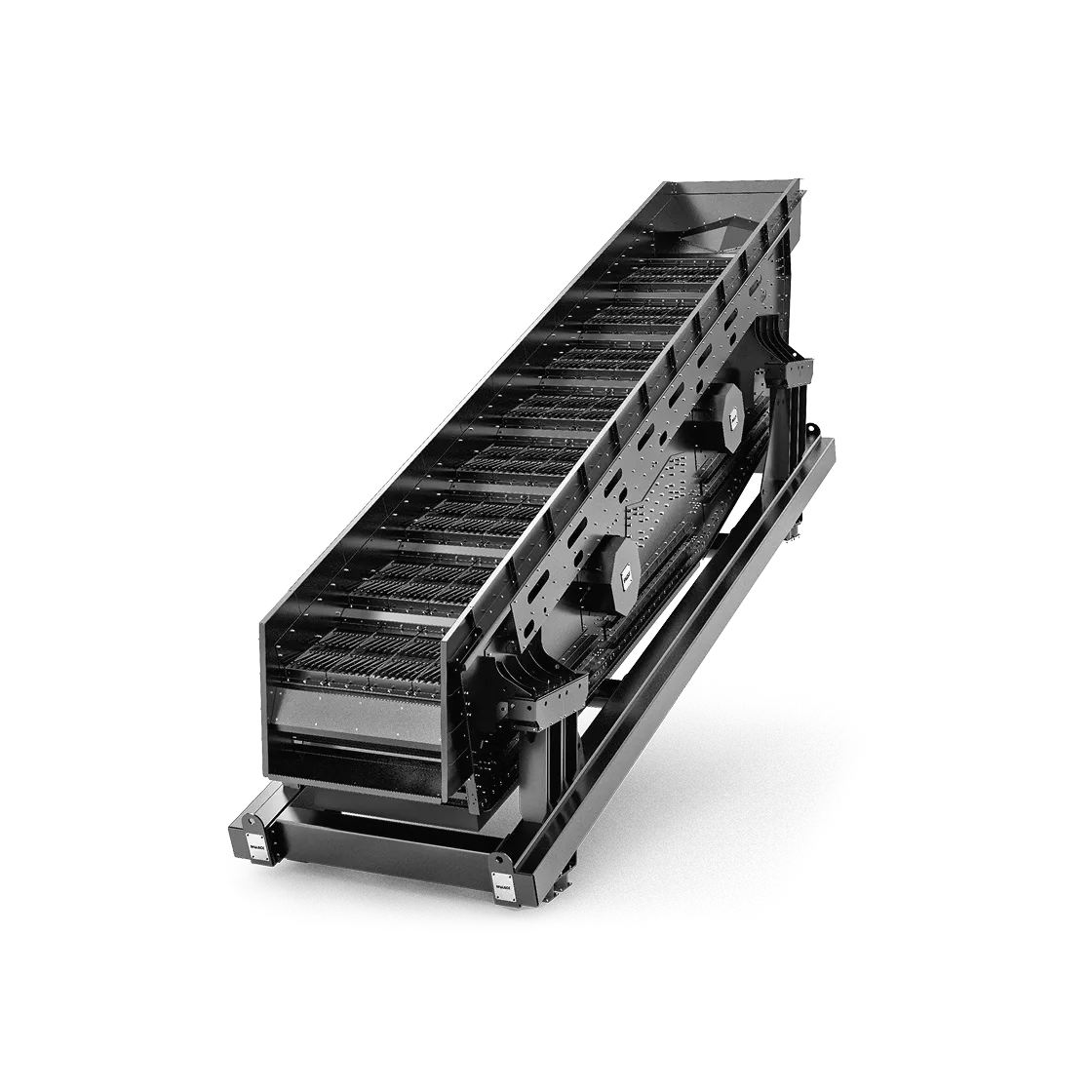
Einsetzbar für relativ anspruchslose Materialien
Siebqualität
++
Anzahl Siebfraktionen
bis zu 5
Integrationsmöglichkeit in Ihre Recyclinganlage
++
Wartungsaufwand
gering
Leistungsträger für Ihre Anlage
Siebqualität
++
Anzahl Siebfraktionen
bis zu 5
Integrationsmöglichkeit in Ihre Recyclinganlage
++
Wartungsaufwand
gering
Einsetzbar für relativ anspruchslose Materialien
Siebqualität
++
Anzahl Siebfraktionen
max 2-3
Integrationsmöglichkeit in Ihre Recyclinganlage
-
Wartungsaufwand
mittel / hoch
Einsetzbar für relativ anspruchslose Materialien
Siebqualität
++
Anzahl Siebfraktionen
bis zu 5
Integrationsmöglichkeit in Ihre Recyclinganlage
++
Wartungsaufwand
gering
SPALECK verbindet über 150 Jahre Maschinenbau & Lohnfertigung mit einer klaren Ausrichtung auf nachhaltige Branchen – von Umwelttechnik und Recycling über Mobilität bis zur Lebensmittel- und Agrartechnik. Mit Deiner Arbeit unterstützt Du uns und unsere Kunden mit Lösungen, die weltweit Ressourcen schonen und Prozesse effizienter machen.
Ob Ausbildung, Berufseinstieg oder nächste Karrierestufe: Bei SPALECK übernimmst Du Verantwortung, wächst mit Deinen Aufgaben und bleibst fachlich am Puls moderner Technologien.
Wir setzen auf ein faires, offenes Miteinander. Langjährige Kolleg:innen und neue Talente arbeiten Hand in Hand – gemeinsam gestalten wir die nächsten Schritte.
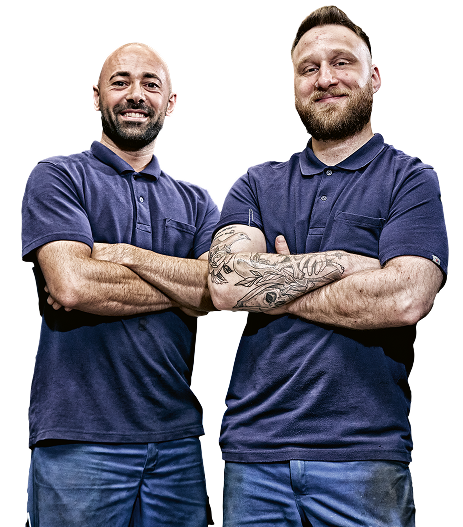
Seit 1869 ist SPALECK als Familienunternehmen gewachsen – mit klaren Werten, kurzen Entscheidungswegen und einem hohen Verantwortungsgefühl gegenüber Mitarbeitenden, Kunden und Umwelt.
Unsere Maschinen und Lösungen kommen dort zum Einsatz, wo es um Recycling, saubere Prozesse und den verantwortungsvollen Umgang mit Ressourcen geht. Dein Beitrag hat direkten Nutzen.
ZUGESCHNITTEN AUF IHR MATERIAL, IHRE LINIE & IHRE ZIELE
It is helpful to provide the desired function, the medium, available operating data, the pipe shape and cross-section, as well as connection and installation dimensions. Drawings or photos also help in assessing the installation situation.
Elastic or metal seals are possible. The appropriate design depends on the application and operating conditions.
The dampers are used in flue gas, hot gas, and fresh air ducts. The specific design is tailored to the medium and operating conditions.
The flap shafts are connected to each other via length-adjustable link rods. This allows the flaps to move in sync.
These models are designed for round, square, and rectangular pipe cross-sections. The appropriate design and connection for the system are determined based on the installation conditions.
A louvered damper is an industrial damper with multiple damper blades. Depending on its design, it regulates a flow of media or shuts off a line.
The 3D COMBI compost screening machine is optimized for screening organic materials such as compost, biomass, and green waste. Depending on the input material and the country of use, it can be equipped, for example, with technology to protect against glass breakage or to stabilize the tension wave cassettes when material moisture levels fluctuate. We would be happy to advise you on this matter.
Yes, AutoCLEAN can be retrofitted to an existing SPALECK screening machine. We can quickly check whether your specific machine is suitable for this based on the machine number. For more information, visit the AutoCLEAN screening technology landing page.
Yes, as a compost producer, you can thoroughly test SPALECK screening technology for compost production before making an investment. And it’s free. Extensive material testing with your material helps determine and configure the optimal screening technology for your compost production. This way, you can see in advance of making the investment what high-quality compost can be produced.
Compost producers, such as Olde Bolhaar from the video, are switching to a specialized compost screening machine, in part because of its highly precise screen sizes and consistently high compost quality, even when material conditions vary. In addition, they benefit from minimal cleaning requirements for the screening equipment.
The effort required to clean screening machines and screen media during compost production can be reduced and minimized using AutoCLEAN screening technology or, for example, tension shaft cassettes. These are designed for material that is difficult to screen, damp, or sticky, respectively. AutoCLEAN technology keeps the screen mesh moving during compost production by applying additional, adjustable vibration, thereby preventing buildup and clogging.
SPALECK screening machines for compost production deliver consistent screening results even with varying moisture content and material composition, thanks to their flexibly adjustable screening technology configuration. The screening machine can be adapted to the various and changing properties of the organic feedstock. Examples of this include the use of tensioned-shaft cassettes or the SPALECK AutoCLEAN screen lining. This ensures that compost of a very consistent quality can be produced year-round.
Precise screening improves product quality in industrial compost production by separating the high-quality fine fraction from oversized particles and keeping long pieces out of the target fraction. If valuable fine particles are discharged along with the oversize material, valuable and highly usable material is lost; if long pieces end up in the finished substrate, they reduce its quality and can cause filled bags to tear. The 3D COMBI compost screening machine is optimized and designed to produce precise screen sizes for compost and other organic materials.
ActiveFEED enables a very quick return on investment, as the optimized material feed to the sorting equipment makes it very easy to process more material in less time and achieve higher sorting quality. As a rule, the payback period is therefore well under one year.
ActiveFEED increases transparency and gives plant operators greater control over their recycling processes by allowing them to manage their material feed—and thus the throughput of their recycling plant—both in advance and in real time. For example, he has real-time information about
With ActiveFEED, many recycling companies can eliminate entire shifts and significantly reduce their workforce. This is made possible by the optimized, jam-free material feed provided by ActiveFEED. This eliminates the need for extra work caused by blockages, unintended idling of the sorting equipment, and inefficient monitoring of hopper fill levels by the wheel loader operator. All in all, this saves a lot of work time.
The agitator was welded manually rather than by robotic welding because the component geometry and the requirements for the welds called for flexible welding operations. The welds were then ground smooth without notches, in accordance with the customer’s specifications.
Yes, SPALECK manufactures a wide variety of components, welded assemblies, and subassemblies for the food industry. Depending on the project, CNC machining, welding, assembly, and other processing steps can be combined. Typical examples include food-grade screw conveyors, mixers, food tanks, and even entire machines for manufacturers of food and beverage production equipment.
The surface finish is important for this mixer because the component is used in the processing of frozen foods and is cleaned after each use. Surfaces that are as smooth and cleanly finished as possible make it easier to remove food scraps and other residues.
The mixer must be free of scratches and clean, since surfaces in the food industry must be cleaned quickly and thoroughly after use. A clean and as smooth as possible surface makes it easier to remove food residue.
The welded joints on the agitator were constructed in multiple layers. After welding, the welds had to be ground smooth, with no notches. In addition, a uniform optical grinding direction was required.
The welds must be ground down, as grinding smooths them out. This mixer also required a specific direction of optical grinding.
The manufacture of the agitator involved a combination of mechanical machining, CNC machining, multi-pass welding, and subsequent machining of the welds and surfaces.
The mixer for the food industry was manufactured from 1.4571 stainless steel. The material is corrosion-resistant and is suitable for components where good resistance to moisture and optimal cleanability are important factors.
The SPALECK ComfortLINE is very easy to clean and maintain. It has no dead zones and provides easy and comprehensive access to all parts of the machine. The surfaces actively prevent caking and soiling. As a result, the conveyor or separator can be cleaned quickly and easily thanks to its SPALECK ComfortLINE design. Inspections and screen lining changes can also be carried out very quickly and, in contrast to standard products, cause only minimal downtimes.
The SPALECK ComfortLINE has been specially developed for demanding applications in the pharmaceutical, chemical, plastics, food, and pet food industries.
The SPALECK ComfortLINE is known for its high-performance stainless steel screening machines and conveyor systems.
The companies that are part of the SPALECK Group are as follows:
The SPALECK Group is a family-owned machine manufacturer and supplier with seven business divisions. Our products and services help close material loops internationally and make recycling and production processes highly cost-effective.
The SPALECK Group is 100% owned by the Spaleck family. Even after more than 150 years, the SPALECK Group remains a family-owned business.
SPALECK has branches in Germany, the Netherlands, Romania, the United States, and Thailand.
SPALECK was founded as early as 1869. Since then, we have grown into the internationally active SPALECK Group, with over 500 employees.
The precise design of a tension-shaft screening machine is always tailored to the recycled material. Factors such as the composition of the input material, its moisture content, contaminants, throughput requirements, and the recycling goals associated with the input material form the basis for this. Working with you, we define screening sizes, purity requirements, and throughput rates, and use this information to configure the exact machine settings—from screening panels to amplitude and machine features such as the SPALECK FineSideCOVER (FSC) or our MultiDECK technology with a split push rod. Learn more here about our ModularDESIGN+ concept, which we use to find the optimal screening machine for your material. We’d be happy to test the respective recycling material together with you free of charge at the SPALECK TestCenter.
Precise screening of the fine fraction results in clearly defined particle sizes. For example, if the fine fraction ranging from 0 to 10 mm is reliably screened out, downstream sorting equipment—such as eddy current separators, NIR sorters, sensor sorters, and X-ray sorters—operates more reliably and efficiently as a result. In addition, the system’s cleaning requirements are reduced, and higher material purity levels can be achieved. You can see a good example of the benefits of a tensioned-shaft screen in the reference video on municipal solid waste processing at our Swedish customer Tekniska verken. The video demonstrates how a SPALECK tension-shaft screen reduces the load on the downstream eddy current sorters and NIR sorting processes. You can find all the details about the project here.
The service life of screening mats for Flip-Flow screening machines depends heavily on the recycled material, the Recycling process, and factors such as the abrasiveness of the material stream. In many recycling applications, very long service lives are possible. Thanks to our bolt-free, modular clamping system, individual screening mats can be replaced quickly and easily as needed. You can see how this works in the video on our landing page for tension-shaft screen machines. You can get a competitive quote for replacement screening mats through our spare parts service.
Flip-Flow screening machines are designed for low-maintenance, continuous operation. The self-cleaning effect of the screen mats significantly reduces the need for manual cleaning. Maintenance is usually limited to regular visual inspections and the replacement of individual wear parts after extended periods of operation.
A Flip-Flow screening machine operates with two frame systems that move relative to one another. Screening mats are stretched between the base frame and the dynamic frame. These are stretched and tensioned by the cyclic movements of the dynamic frame. This generates extremely high accelerations in the screening panel. The material is actively loosened, allowing the fine particles to be screened through the mesh openings.
Tensioned-shaft screening panels are robust. They are suitable for a wide variety of recycled materials. They are also used in very demanding recycling applications, such as construction material recycling. While steel screening panels are generally more durable, screen mats made of PU or PVC also achieve very long service lives. We would be happy to advise you on the optimal screening panel for your material.
The screening mats used in Flip-Flow screening machines are made of highly wear-resistant, elastic materials such as polyurethane or rubber. They are specifically designed to withstand high dynamic loads. Depending on the type of recycled material, special abrasive screening mats, for example, may be used. With proper maintenance, damage caused by individual foreign objects can be minimized and service life maximized. Should damage occur, the mats can be replaced quickly and easily. You can find a video on this topic here. You can also view customer feedback from one of Europe’s largest non-ferrous metal recycling plants, in which the customer confirms the low maintenance requirements.
Depending on the machine configuration and screening panels, Flip-Flow screening machines can achieve separation cuts ranging from approximately 0.2 mm to about 50 mm. This makes them particularly well-suited for the precise separation of fine particles in Recycling processes. Depending on whether the machine is a single-deck or double-deck tension-shaft screen, up to three or up to four fractions, respectively, can be produced with a single machine.
Flip-Flow screening machines are used worldwide in a wide variety of recycling processes. Typical screening materials include, for example, materials from metal recycling, incinerator grate ash and non-ferrous concentrates from waste incineration, plastic waste, Compost, Biomass, construction waste, substitute fuels, and mixed municipal solid waste.
In the Recycling process, Flip-Flow screening machines are often operated in series with, for example, Recycling Waste Screens. SPALECK also offers the proven SPALECK 3D COMBI screening machine for this purpose. This machine combines a Recycling Waste Screen on the upper deck and a Flip-Flow screening machine on the lower deck in a single unit.
A Flip-Flow screening machine is a screening machine used to classify fine and difficult-to-screen materials. Flip-Flow screening machines use elastic screening mats that compress and tension very quickly during operation. The screening mats have holes of a specific size through which the target particles can fall and be screened out.
During compaction and tensioning, a so-called “trampoline effect” occurs in the screening mats. During the screening process, the material is constantly propelled upward and loosened.
If the fine grain with the appropriate particle size then falls back onto the screen mat, it can pass through one of the openings in the screen mat.
There is no difference between a tension-shaft screening machine and a flip-flow or flip-flop screening machine. The term “flip-flow” is used in recycling practice and originates from English. Tension-shaft screening machines are sometimes also referred to as flip-flop screening machines.
Recycled materials and the associated recycling processes and goals vary widely. Through targeted screening tests with your recycled materials, we will work together to determine the optimal Machine configuration for your tension-shaft screen.
The tests are valid and robust because they are conducted using realistic industrial quantities of the actual material. This allows for highly reliable conclusions regarding optimal machine design and subsequent Screening results.
Of course, you can also use the material prepared in this way for further testing with the screening equipment manufacturers of your choice. A free screening test at the SPALECK TestCenter using your own material often yields significant benefits for the entire Recycling process, as the tensioned-shaft screening technology is optimally designed.
The moist and sticky fine fraction can often lead to unwanted contamination, blockages, and material carryover during the Recycling process. In this context, Flip-Flow screening machines are less prone to sticking and blockages of the screening areas. With a Flip-Flow screening machine, the dynamic trampoline effect prevents the screening area from clogging. This minimizes the cleaning effort. In addition, moist and sticky materials can be reliably screened out.
The decision on whether to use a single-deck or double-deck tension-shaft screen depends entirely on the material and process. In practice, a SPALECK single-deck tension-shaft screen is usually sufficient, as it can produce up to three fractions. In processing and production processes, such as fertilizer production, double-deck tension-shaft screens are sometimes used. These allow for additional classification steps and produce up to four defined particle size fractions within a single screening process.
In practice, users often use different terms to refer to an infeed hopper. These terms can vary depending on the company, industry, and the plant operator’s personal experience. Common synonyms include, for example, dosing hopper, hopper, feed chute, infeed unit, storage hopper, or hopper discharge chute. Depending on the term used, different technical designs may also be associated with it.
Feed hoppers are suitable for virtually all types of recycled materials and bulk goods. Common applications include, for example, scrap metal, electronic waste, shredded PVC windows, shredded PV modules, slag, medium-velocity ash, fluidized bed ash, alternative fuels, shredded waste wood, compost, and biowaste, ASR (auto shredder residue), batteries, and much more. Thanks to their very robust and stable steel construction, feed hoppers are also ideal for tough applications and materials. When it comes to achieving the best sorting results with sorting technology, we recommend the SPALECK ActiveFEED feed hopper. It supplies your sorting system with the optimal amount of material—fully automatically.
We manufacture infeed hoppers in all sizes for you. We tailor the size and fill height precisely to your requirements. For example, infeed hoppers for high-volume materials typically have a larger capacity than those for low-volume materials. We determine the size together with you, taking into account the technology and machinery used.
GMP is the English term “Good Manufacturing Practice”. The rules of GMP are laid down in national and international regulations in order to guarantee binding standards. GMP is intended to ensure high quality throughout the entire manufacturing process. This applies, for example, to the manufacture, processing, packaging and storage of medicines, food, pet food and chemical products. Above all, strict requirements must be met in terms of hygiene, equipment, premises and controls (documentation) in the manufacturing process.
In the production of pet food, the highest quality and hygiene standards are crucial to ensuring safe and consistently high-quality products. SPALECK screening machines for pet food are designed to meet these requirements and help ensure compliance with the principles of Good Manufacturing Practice (GMP) as well as other relevant guidelines for pet food production.
By reliably separating foreign objects, contaminants, and oversized and Undersize grains, the screening machines help ensure consistent product quality and a trouble-free production process. At the same time, they promote hygienic processes, high product safety, and efficiency in manufacturing—key requirements for modern, certification-compliant pet food production.
Together with our customers, we develop the optimal screening machine for your pet food production. As a basis for the individual planning of your screening machine, we take into account, for example, possible screening capacities, possible material changes or increases in production.
Contamination of food due to unclean production equipment must be avoided at all costs, which is why absolutely reliable and simple cleaning options are crucial in your pet food production. SPALECK pet food sieving machines offer clear advantages thanks to their user-friendliness and ease of cleaning. Our SPALECK ComfortLINE is prepared for changing screenings (e.g. from dry to wet food). Thanks to innovative technologies, the screening systems can be cleaned extremely quickly and are therefore ready for the screening of a different feed in the shortest possible time.
SPALECK pet food screening machines are also easy to assemble and can be optimally integrated into existing production. Another advantage: We manufacture the pet food screening machines from food-safe stainless steel. This food-safe choice of material offers you and the food efficient protection against contamination.
Of course, we also provide on-site support. Our service technicians can quickly reach any location worldwide and offer reliable and prompt service. In addition, we provide comprehensive remote support through SPALECK CONNECT and are always available to assist you by phone, via Teams, or by email.
Yes, all SPALECK machines are designed and built to be very easy to maintain. Thanks to our ModularDESIGN+ concept, the machines are very user-friendly. This makes it easy to replace not only maintenance or wear parts, but also, for example, the screen liners when switching materials. This reduces maintenance requirements and optimizes system availability.
SPALECK CONNECT helps you monitor the condition of your machine in a simple and transparent way, optimize maintenance, and avoid unplanned downtime. It alerts you to potential irregularities long before the human eye can detect them.
If you need service, we’ll help you right away. Our service team provides you with prompt, solution-oriented support. Depending on the situation, we provide assistance by phone, via SPALECK CONNECT, or through an on-site service visit—anywhere in the world.
Yes, we can usually supply you with the right replacement part, even for very old machines. To do so, please simply send us your machine number via the contact form, and we will get back to you right away.
Our SPALECK service team will help you identify the replacement part you need.
Please send us your machine number/project number.
You can find the machine number on the nameplate of your SPALECK machine as well as in the project documentation.
You will also find a spare parts list in the documentation.
Alternatively, feel free to send us a photo of the part via email or the contact form.
We will then get back to you as soon as possible.
The advantages of the SPALECK ComfortLINE are:
We provide training to meet our own needs. If trainees perform well both on the job and at vocational school, our clear goal is to hire them after they complete their training.
Since SPALECK has a broad range of operations—both as a supplier and in its own mechanical engineering division—there are various career paths available after completing an apprenticeship—whether as a specialist in the welding shop, in the final assembly of large-scale systems, or later through further training in workshop management or quality assurance.
As a fabrication mechanic, you’ll mainly work in our production facilities. Since metal is cut, bent, welded, and ground here, a certain amount of noise and dust is unavoidable.
To protect your health, we provide you with a full set of personal protective equipment. In addition to standard work clothes, this includes professional hearing protection, safety glasses, and fume extraction systems at the welding stations.
Yes, absolutely! You don’t have to worry about expensive gear before you start with us. We’ll outfit you from head to toe.
We’ll provide you with your own work clothes—including high-quality safety shoes, well-fitting work pants, jackets, etc.
No. During your training, you’ll generally work with us during normal business hours.
It is important to us that you are able to focus fully on your training in the training workshop, at the company, and at the vocational school. In addition, the Youth Labor Protection Act applies to trainees under the age of 18, and this law already strictly regulates night work and shift work.
On which machines will I be trained?
With us, you won’t be learning on outdated equipment—instead, you’ll be working with the latest high-tech gear right from the start.
Your training begins in our in-house training workshop, where you’ll learn the basics of metalworking (such as manual turning and milling) from the ground up. After that, you’ll move on to the real heavy hitters: You’ll be trained on state-of-the-art, computer-controlled CNC lathes, CNC milling machines, and grinders.
By earning your certification as an industrial business administrator, you’ll lay the perfect foundation for your career—and that’s when the real fun begins!
We believe in lifelong learning and are always committed to supporting your professional development. We’ll work together to decide which path to take, based on your strengths and goals. Almost anything is possible:
Part-time or dual degree program: If you want to continue combining theory and practice while earning your bachelor’s degree.
Specialized continuing education programs: For example, certifications such as “Fachwirt” or “Betriebswirt” (IHK) to delve deeper into a specific field.
Specialized Seminars & Courses: To prepare you for the future in your specific area of responsibility.
It’s especially important to us that, after you graduate, you have a job that you enjoy and that plays to your strengths. That’s why our approach is: We focus on the department of your choice!
During your two-year training program, you’ll gain experience in many different departments (such as purchasing, sales, human resources, or finance), and you’ll be the best judge of where your passion lies. When it comes time to discuss your permanent position, we’ll sit down together and do our best to place you in the department of your choice.
If there happens to be no opening there, we’ll find a suitable position in a department where there are also exciting tasks to tackle and where you can fully apply your knowledge.
It’s simple: We want to get you ready for your career—without wasting any time!
Since you have an Abitur or a vocational Abitur, you already meet the ideal academic requirements to shorten the apprenticeship program right away. We plan for this accelerated program from the very beginning, so that instead of the usual 3 years, you’ll have your Industrial Business Administrator certification in hand after just 2 years.
The ActiveFEED feed hopper pays for itself from day one, as it significantly increases the recovery rate of non-ferrous metals in metal recycling, for example. In many cases, the payback period is less than half a year. We would be happy to advise you personally on this matter. Examples such as STENA Recycling and KMR Recycling show you exactly how this works.
Switching to a SPALECK ActiveFEED feed hopper optimizes material feeding in recycling plants. The constant feed actively prevents sorting equipment from being overloaded or underfed. This improves the quality of sorting in the recycling process and, as a result, expands the options for recycling. Many recyclers report that this allows them to take their sorting to the next level. Take STENA Recycling, for example, as shown in this feedback video.
ActiveFEED is recommended by many manufacturers of sensor-based sorting equipment because it enables a precise and consistent feed of material to their sorting machines. This allows the sorting machine to operate at peak performance while simultaneously achieving optimal material purity.
Yes, you can easily retrofit the SPALECK ActiveFEED feed hopper. Many of our customers are replacing their standard batch sizes and, as a result, achieving significantly better and more profitable sorting results. Check out this feedback from our client STENA to see how easy the replacement process is.
Yes, the ActiveFEED is ideal as a feeding system for X-ray sorting technology, such as XRF or XRT sorting. In XRF and XRT sorting machines, it enables fully automatic, continuous material feeding. This allows recycling companies to use ActiveFEED to automatically feed their sorting machines with the optimal amount of material for each specific sorting machine and type of recyclable material. This increases both sorting efficiency and volume. In addition, sorting quality can be significantly improved through optimal feeding. See also the case study by STENA Recycling and the recycling expert Skrotfrag.
The ActiveFEED infeed unit is available in sizes ranging from 2 to 50 m³. We would be happy to advise you on the optimal size for your recycling application.
The main disadvantages of drum screens include the following:
The operating principle of a drum screen is based on the continuous rotation of the drum around its own axis. During screening, the material to be screened is fed into the drum. Due to a slight downward slope, the material is transported during the screening process from the feed end to the discharge end of the screening drum. Particles that pass through the perforations in the screening drum are thus pushed outward and screened out. Larger particles, on the other hand, remain inside the screening drum until they are fed to the next processing step at the end of the drum.
Due to their insufficient separation efficiency, drum screens and drum screening systems have difficulty achieving a high sorting quality. Especially in Recycling processes where precise separation of materials is crucial, drum screens can quickly reach their limits. Given the low sorting quality and the high cleaning costs, the reduced profitability of the entire Recycling process must also be taken into account.
The key advantages of drum screens include the following:
Maintenance requirements for Drum screens can be significant, particularly due to their susceptibility to Blockages. Regular inspections, cleaning, and possibly repairs are necessary.
Drum screens are used, among other things, for screening rocks and soil, recycled materials, and waste. Typical applications include screening municipal solid waste, compost, Biomass, and scrap metal.
Inspection screening machines can be used in any industry or sector that faces the challenge of product contamination. For example, a Control screening machine helps you clean your bulk materials or granules of unwanted contaminants, particles, and other debris. Control screening can be performed, for instance, prior to packaging to guarantee your customers consistently high quality. In addition, Control screening and protective screening can also take place before the manufacturing process (for example, with bulk materials) or during the manufacturing process itself. Cleanliness of workpieces is becoming increasingly important, especially in manufacturing, as contaminants can hinder or even damage the production process.
With our protective sieve, the sieving technology is crucial to ensure consistent product quality. The mesh size of the screen panels is adapted to your requirements in order to guarantee precise protective screening or control screening. For example, we adapt the screening properties and dynamics of the control screening machine to your products by adjusting the vibration parameters or the angle of inclination of the control screen.
It is important to you and to us that the control screening machine is a reliable production step in your manufacturing process. As a manufacturer of screening machines for the pharmaceutical, chemical, pet food, and food industries, we offer you comprehensive process knowledge and experience to help you determine which protective screen, configuration, and screening technology you need. The central aim is to offer you a control screening machine that works reliably and minimizes your production downtimes. That is why we tailor our screening machine precisely to the needs of your industry. We also ensure that we use durable and robust materials in our production to minimize the downtime of your protective screen. This also means that we adapt the control screening machine to your production volume in order to guarantee a smooth production process. In addition, we offer screening machines that your employees can easily operate and maintain.
Dewatering processes are used to selectively separate liquids from solids. This allows products to be prepared for subsequent process steps, reduces transportation costs, or achieves a target residual moisture content.
Consistent, precise dosing is the foundation for controllable production and efficient production processes. It helps ensure compliance with recipes, for example, ensures process-optimizing material flows, and contributes to the long-term assurance of product quality and process efficiency.
For the controlled feeding of raw materials, intermediate products, and finished products in the pharmaceutical, chemical, food, and pet food industries, SPALECK offers a range of solutions, such as vibratory feeders, vibrating chutes, vibrating conveyor tubes, and specialized dosing systems. Depending on the application and material, we will work with you to determine the optimal machine.
Dust removal is used when fine particles affect product quality, further processing, or process characteristics. By selectively separating dust fractions, the desired product characteristics can be achieved and downstream processes can be optimized.
During classification, bulk materials are specifically separated by particle size. This results in defined particle size fractions that are required for subsequent process steps or to meet product specifications. Classification is used, for example, with powders, granules, pellets, and extruded products.
Control screening is used for quality assurance within the production process. It removes unwanted particles, agglomerates, or foreign matter from the product stream before downstream process steps or packaging take place. The goal is to ensure consistent product quality and compliance with defined specifications.
Static dosing systems fail during production peaks or unexpected discharges. Our state-of-the-art systems utilize buffer tanks and intelligent real-time dosing. If the load increases (e.g., due to tank cleaning in your production process), the control system adjusts the chemical dosage to reliably prevent limit values from being exceeded.
The truth is: While precipitation and flocculation do clean the water, they transfer the pollutants into the solid phase. This increases the sludge volume.
Our systems are therefore designed to achieve optimal floc compactness. In addition, the sludge can be dewatered exceptionally well using our chamber filter presses or decanters. We calculate the estimated sludge volume for you as early as the test phase so that you can accurately estimate disposal costs.
Yes, absolutely. In most cases, there’s no need to build completely new systems. At SPALECK Wassertechnik, we integrate modern dosing stations, static mixers, or optimized flocculation reactors (maturation tanks) directly into your existing infrastructure to improve treatment performance (retrofitting).
In short: Precipitation converts dissolved substances into insoluble solids. Flocculation binds these tiny solids together into larger, filterable flocs.
Precipitation: The addition of precipitating agents (e.g., iron or aluminum salts) triggers a chemical reaction. Dissolved substances (such as phosphates or heavy metals) are precipitated as tiny, insoluble particles (precipitate).
Flocculation: Since these particles are often too small to settle, flocculants (polymers) are added. They act like an adhesive, binding the microparticles together into larger macroflocs that can be easily separated by sedimentation or flotation.
In a paint shop, you naturally work with paints and coatings. But: We place great importance on modern exhaust systems and high-quality protective gear. After work, you leave the dirt at the shop—not on your clothes.
Prep work is the be-all and end-all. Before you even start painting, you’ll learn how to clean, sand, and mask metal parts. Only when the base is right will the coating hold up later, even under extreme conditions.
Quite the opposite. Since we work as a contract manufacturer in the metalworking industry, we handle an enormous variety of components. Sometimes you’ll be machining parts for the agricultural sector, other times for mechanical engineering or medical technology. That makes our day-to-day work very varied.
We train people to meet our own needs. If your performance is strong and you get along well with the team, we’re very interested in hiring you as a permanent member of our mechatronics team after you graduate.
You’ll be working directly on our screening machines and conveyor systems for the recycling industry. These aren’t assembly-line products, but rather custom projects for each client that present new technical challenges every time.
We strike a balance between the two. You’ll start by learning the basics of metalworking, but then you’ll dive deep into electrical engineering, pneumatics, and control systems. The goal is for you to be proficient in both fields by the end.
There is hardly any recycled material for which a screening machine cannot be used. The materials include both heavy and light substances, with particle sizes ranging from large to very small, as well as damp and wet materials, and dusty or dry screened materials.
SPALECK screening machines perform exceptionally well in the recycling sector, the chemical and food industries, and the aggregates sector.
Here are seven things we support and promote, among others:
and hundreds more materials.
A screening machine is used to separate and classify the material to be screened according to grain size. The aim is to separate the feed material of different sizes into size classifications using screening technology. The screening machine is used to separate the material being screened by size. The screening process is also called grading. During the screening process, the material is cleanly and reliably separated into the desired screen fractions.
In addition, screening machines are used for dewatering or for quality control screening. Typical applications therefore include classifying, inspecting, and protecting, as well as separating, dewatering, and breaking up clumps.
In our videos, you’ll find numerous instructional and application videos featuring screening machines.
International sind wir ein starker und zuverlässiger Partner der Recyclingindustrie. Gemeinsam mit Ihnen entwickeln wir Siebmaschinen, die neue Leistungsstandards für Ihr Recyclingmaterial setzen. Sehr gern stellen wir Ihnen Referenzanlagen persönlich vor!
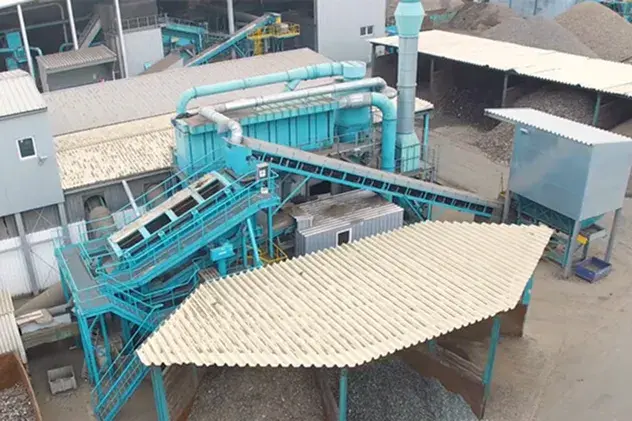
Schredderschwerfraktionen, Schredderleichtfraktionen, ASR, ZORBA, Twitch & Co.: Mit unseren Siebmaschinen fürs Metall-recycling erzielen Sie beste Ergebnisse beim Aufbereiten von Metallen. Dazu bieten wir Ihnen perfekt darauf abgestimmte ActiveFEED Bunker, Förderrinnen und beispielsweise Scheren-schrottrinnen. Wir laden Sie herzlich ein, Ihre Recycling-materialien im SPALECK TestCenter zu testen.
Schredderschwerfraktionen, Schredderleichtfraktionen, ASR, ZORBA, Twitch & Co.: Mit unseren Siebmaschinen fürs Metall-recycling erzielen Sie beste Ergebnisse beim Aufbereiten von Metallen. Dazu bieten wir Ihnen perfekt darauf abgestimmte ActiveFEED Bunker, Förderrinnen und beispielsweise Scheren-schrottrinnen. Wir laden Sie herzlich ein, Ihre Recycling-materialien im SPALECK TestCenter zu testen.
Schredderschwerfraktionen, Schredderleichtfraktionen, ASR, ZORBA, Twitch & Co.: Mit unseren Siebmaschinen fürs Metall-recycling erzielen Sie beste Ergebnisse beim Aufbereiten von Metallen. Dazu bieten wir Ihnen perfekt darauf abgestimmte ActiveFEED Bunker, Förderrinnen und beispielsweise Scheren-schrottrinnen. Wir laden Sie herzlich ein, Ihre Recycling-materialien im SPALECK TestCenter zu testen.
Schredderschwerfraktionen, Schredderleichtfraktionen, ASR, ZORBA, Twitch & Co.: Mit unseren Siebmaschinen fürs Metall-recycling erzielen Sie beste Ergebnisse beim Aufbereiten von Metallen. Dazu bieten wir Ihnen perfekt darauf abgestimmte ActiveFEED Bunker, Förderrinnen und beispielsweise Scheren-schrottrinnen. Wir laden Sie herzlich ein, Ihre Recycling-materialien im SPALECK TestCenter zu testen.
Schredderschwerfraktionen, Schredderleichtfraktionen, ASR, ZORBA, Twitch & Co.: Mit unseren Siebmaschinen fürs Metall-recycling erzielen Sie beste Ergebnisse beim Aufbereiten von Metallen. Dazu bieten wir Ihnen perfekt darauf abgestimmte ActiveFEED Bunker, Förderrinnen und beispielsweise Scheren-schrottrinnen. Wir laden Sie herzlich ein, Ihre Recycling-materialien im SPALECK TestCenter zu testen.
Schredderschwerfraktionen, Schredderleichtfraktionen, ASR, ZORBA, Twitch & Co.: Mit unseren Siebmaschinen fürs Metall-recycling erzielen Sie beste Ergebnisse beim Aufbereiten von Metallen. Dazu bieten wir Ihnen perfekt darauf abgestimmte ActiveFEED Bunker, Förderrinnen und beispielsweise Scheren-schrottrinnen. Wir laden Sie herzlich ein, Ihre Recycling-materialien im SPALECK TestCenter zu testen.
Schredderschwerfraktionen, Schredderleichtfraktionen, ASR, ZORBA, Twitch & Co.: Mit unseren Siebmaschinen fürs Metall-recycling erzielen Sie beste Ergebnisse beim Aufbereiten von Metallen. Dazu bieten wir Ihnen perfekt darauf abgestimmte ActiveFEED Bunker, Förderrinnen und beispielsweise Scheren-schrottrinnen. Wir laden Sie herzlich ein, Ihre Recycling-materialien im SPALECK TestCenter zu testen.
Schredderschwerfraktionen, Schredderleichtfraktionen, ASR, ZORBA, Twitch & Co.: Mit unseren Siebmaschinen fürs Metall-recycling erzielen Sie beste Ergebnisse beim Aufbereiten von Metallen. Dazu bieten wir Ihnen perfekt darauf abgestimmte ActiveFEED Bunker, Förderrinnen und beispielsweise Scheren-schrottrinnen. Wir laden Sie herzlich ein, Ihre Recycling-materialien im SPALECK TestCenter zu testen.
Schredderschwerfraktionen, Schredderleichtfraktionen, ASR, ZORBA, Twitch & Co.: Mit unseren Siebmaschinen fürs Metall-recycling erzielen Sie beste Ergebnisse beim Aufbereiten von Metallen. Dazu bieten wir Ihnen perfekt darauf abgestimmte ActiveFEED Bunker, Förderrinnen und beispielsweise Scheren-schrottrinnen. Wir laden Sie herzlich ein, Ihre Recycling-materialien im SPALECK TestCenter zu testen.
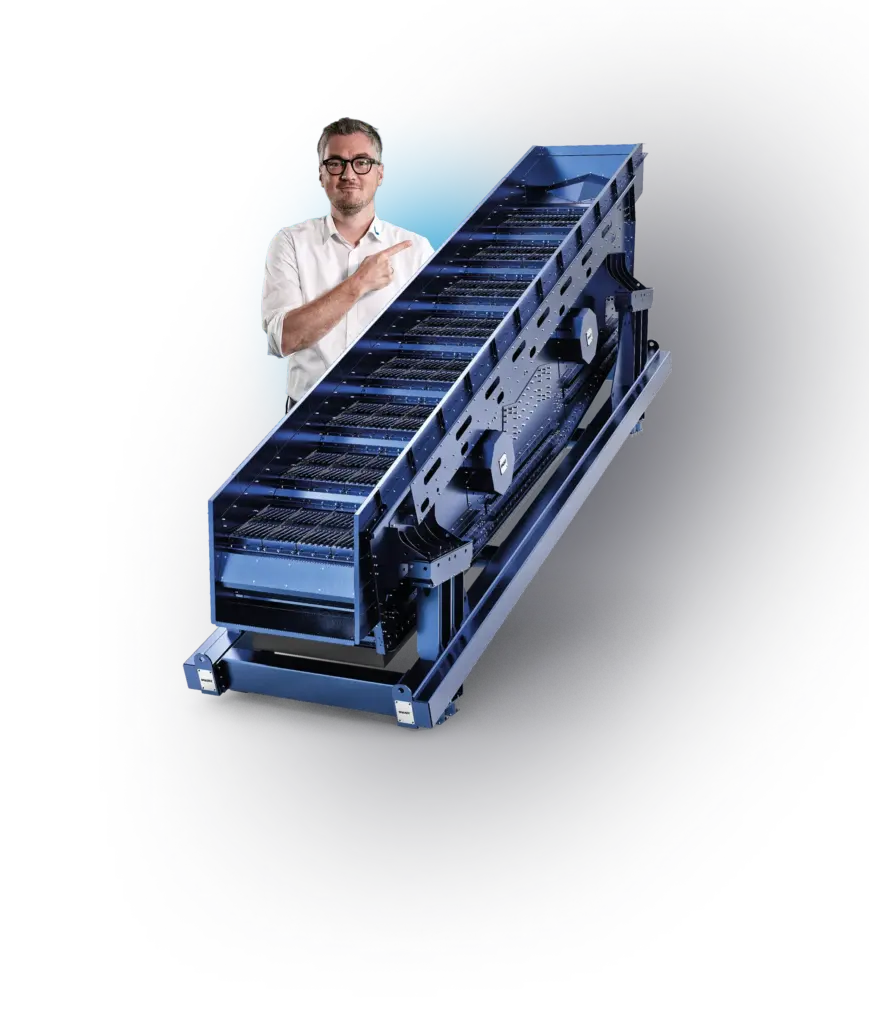

Für unsere Kunden entwickeln und produzieren wir leistungsstarke...
You are currently viewing a placeholder content from YouTube. To access the actual content, click the button below. Please note that doing so will share data with third-party providers.
More InformationIhr Siebgut ist besonders klebrig und anbackend? Fein! Mit unserer patentierten, einfach nachrüstbaren Spannwellen-Kassette bleiben Ihre Siebbeläge trotzdem sauber! Das senkt den Reinigungsaufwand entscheidend. Besonders nützlich: Nutzen Sie die Kassette einfach & schnell in Ihrem Maschinensetting. Denn der Wechsel ist kinderleicht. #ModularDESIGN+
Ihr Siebmaterial kann sich ändern. Deshalb halten wir für Sie und Ihre Anwendungen hunderte unter-schiedliche, für das jeweilige Material optimierte Siebbeläge bereit. Und das Beste: Der Wechsel ist schnell und einfach durch Ihre Mitarbeiter möglich.
SPALECK bietet Ihnen viele smarte Lösungen fürs Sieben. Wie zum Beispiel...
You are currently viewing a placeholder content from YouTube. To access the actual content, click the button below. Please note that doing so will share data with third-party providers.
More Information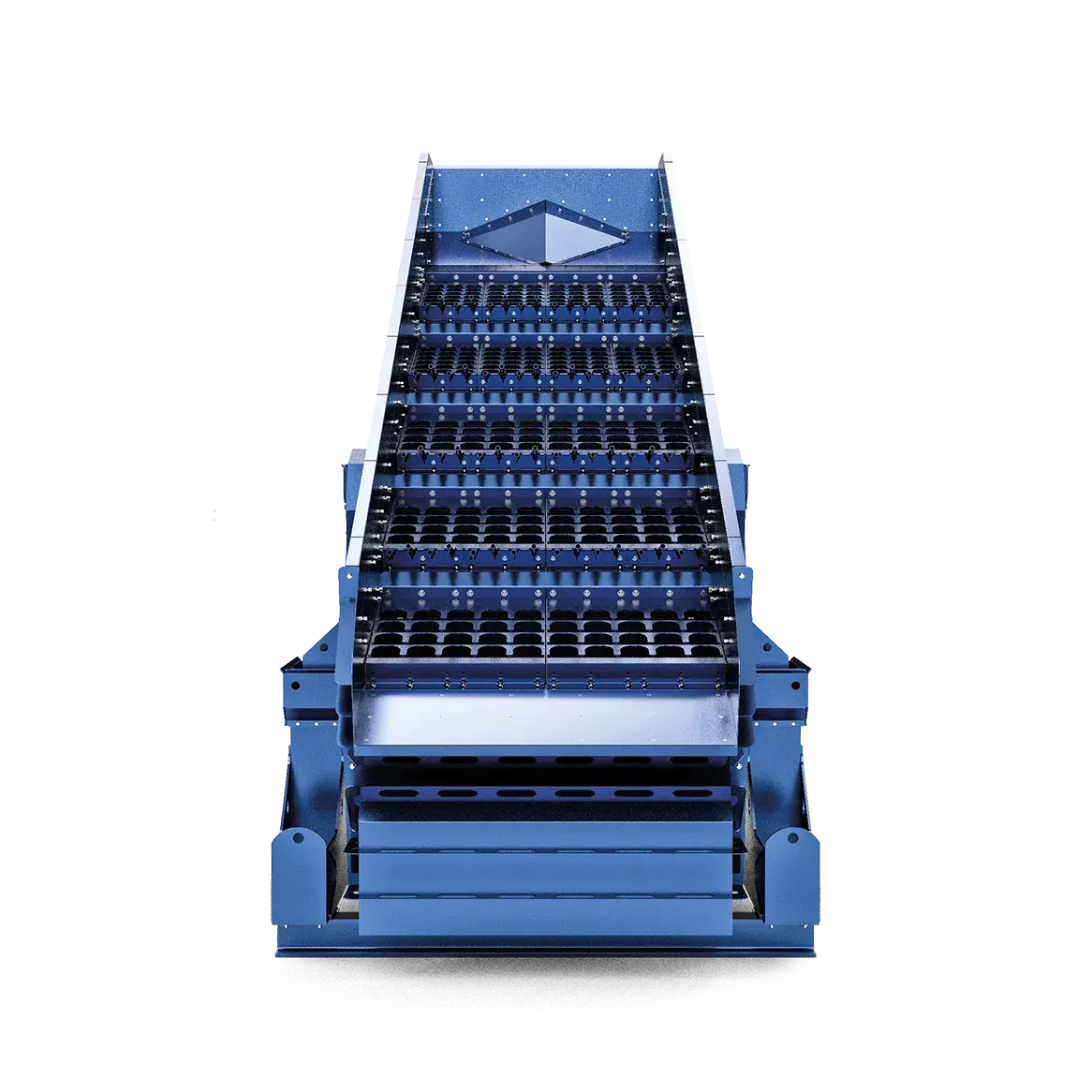
Mit unserer SPALECK Lubrication CONTROL Zentralschmiereinheit wird Ihr Maschinenlager immer optimal geschmiert. Zudem schützt das geschlossene System vor schädlichen Verunreinigungen im Lager durch unsachgemäße Fettung.
Unser SmartSUSPENSION Luftfedersystem ermöglicht Ihnen einen Isolationsgrad der...
You are currently viewing a placeholder content from YouTube. To access the actual content, click the button below. Please note that doing so will share data with third-party providers.
More Information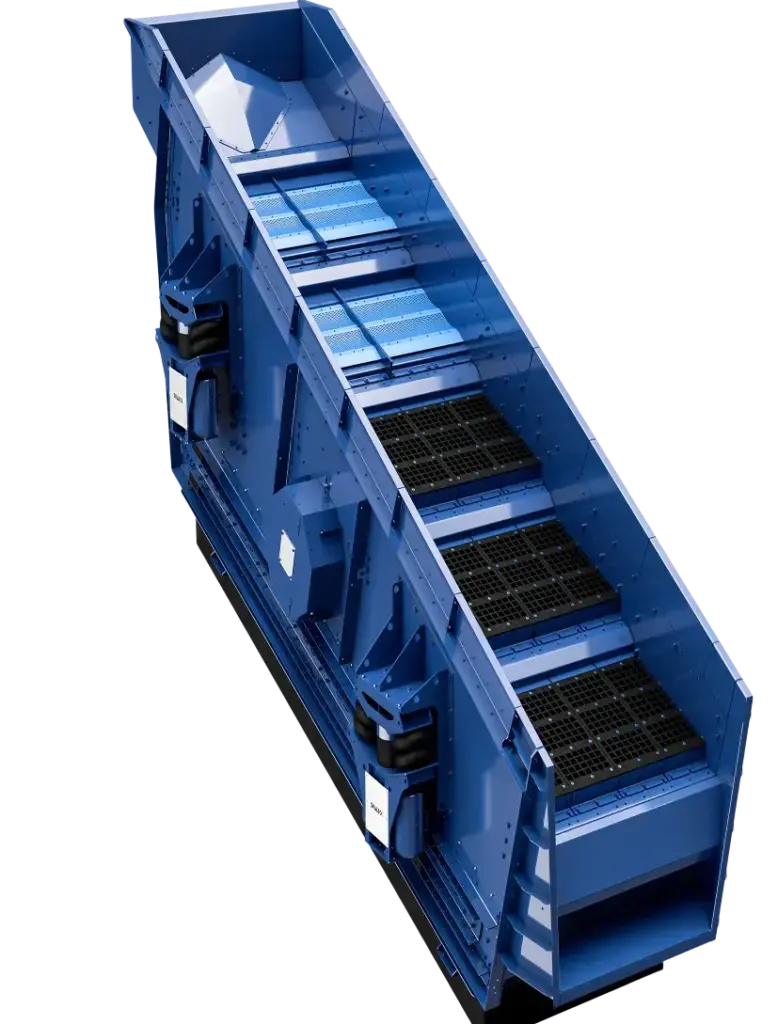
Je nach SIebgut, Aufgabenstellung und Maschinengröße kann es erforderlich sein, mit einem Doppelwellenantrieb zu arbeiten. Das SPALECK TwinSHAFT Konzept garantiert Ihnen hierbei maximale Leistung für einen optimalen Siebprozess.
You are currently viewing a placeholder content from YouTube. To access the actual content, click the button below. Please note that doing so will share data with third-party providers.
More InformationÜberall dort, wo präzise Recyclingprozesse gefragt sind, ist die SPALECK 3D COMBI im Einsatz: von E-Schrott in Schweden, über Gewerbemüllaufbereitung in Asien bis hin zu Bauschutt-Recycling in Australien. Sie möchten konkrete Referenzprojekte mit Ihrem Material sehen? Gerne stellen wir Ihnen passende Referenzanlagen vor – gerne live bei unserem Kunden vor Ort oder im Videocall.

You are currently viewing a placeholder content from YouTube. To access the actual content, click the button below. Please note that doing so will share data with third-party providers.
More InformationYou are currently viewing a placeholder content from YouTube. To access the actual content, click the button below. Please note that doing so will share data with third-party providers.
More InformationYou are currently viewing a placeholder content from YouTube. To access the actual content, click the button below. Please note that doing so will share data with third-party providers.
More InformationYou are currently viewing a placeholder content from YouTube. To access the actual content, click the button below. Please note that doing so will share data with third-party providers.
More InformationYou are currently viewing a placeholder content from YouTube. To access the actual content, click the button below. Please note that doing so will share data with third-party providers.
More InformationYou are currently viewing a placeholder content from YouTube. To access the actual content, click the button below. Please note that doing so will share data with third-party providers.
More InformationYou are currently viewing a placeholder content from YouTube. To access the actual content, click the button below. Please note that doing so will share data with third-party providers.
More InformationYou are currently viewing a placeholder content from Vimeo. To access the actual content, click the button below. Please note that doing so will share data with third-party providers.
More InformationYou are currently viewing a placeholder content from YouTube. To access the actual content, click the button below. Please note that doing so will share data with third-party providers.
More InformationYou need to load content from reCAPTCHA to submit the form. Please note that doing so will share data with third-party providers.
More InformationYou need to load content from reCAPTCHA to submit the form. Please note that doing so will share data with third-party providers.
More Information