
















Chat

Recycling Technology, Materials, and Processes

Construction waste

As recycling experts and companies, we offer you comprehensive information on the recycling of construction waste and mixed construction waste on this page. Find out why an optimum screening result is so important for the successful recycling of mixed construction waste. This is good for the circular economy and helps to protect the environment.

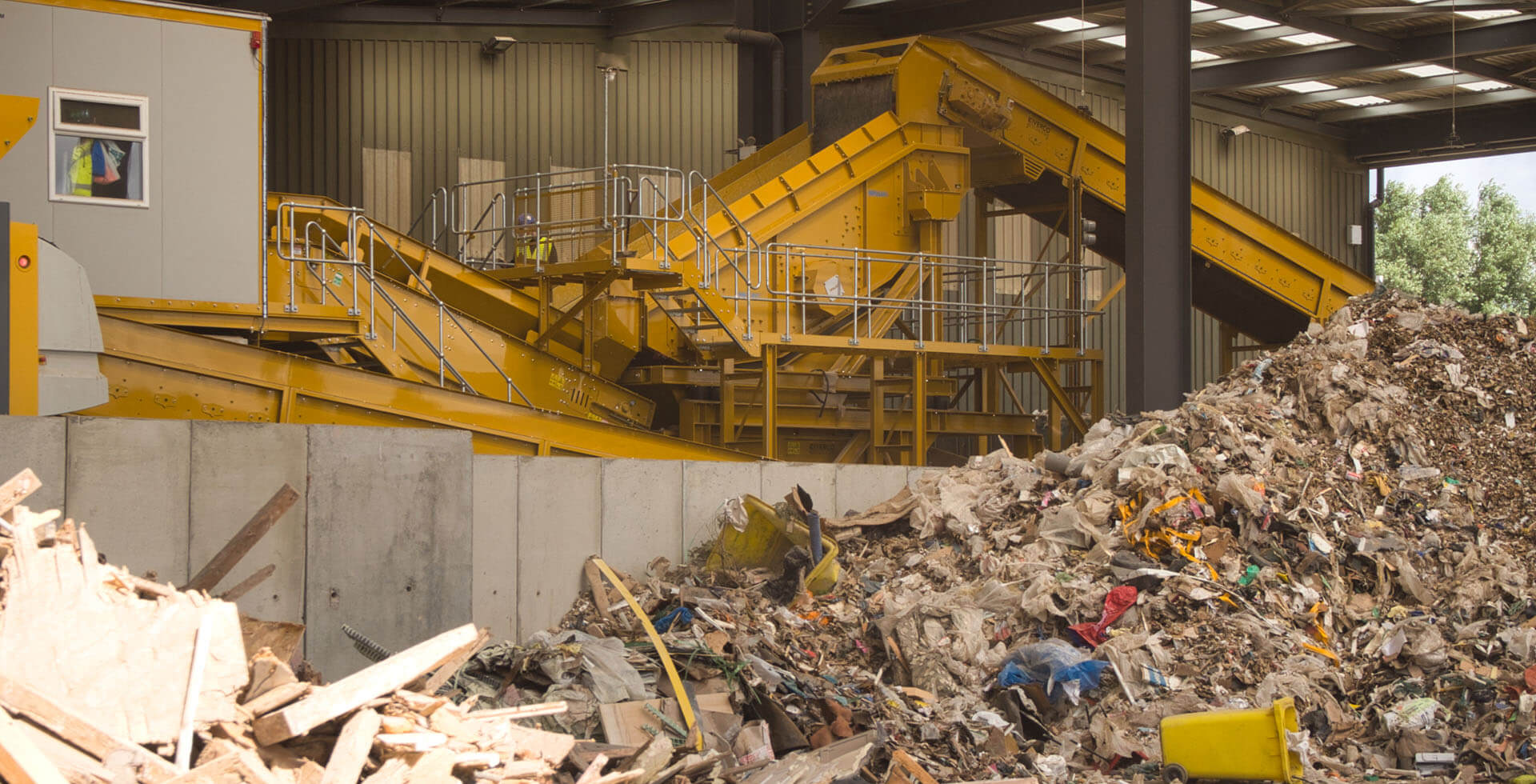
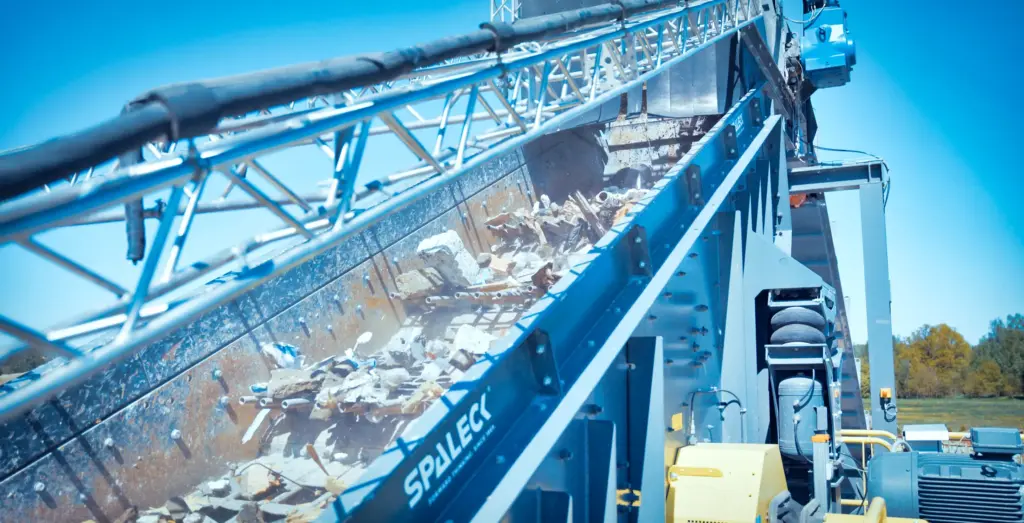
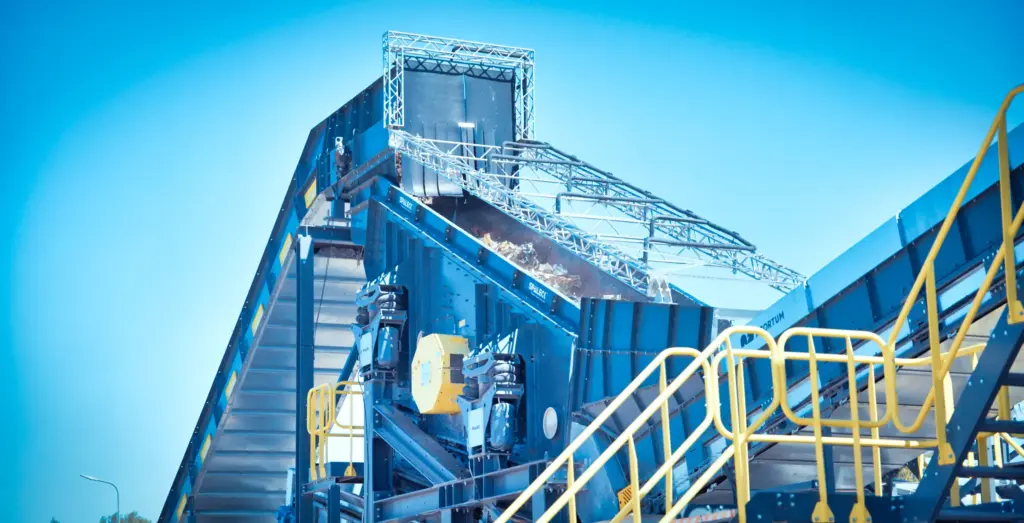
Recycling plant for mixed construction waste with conveyor belts and piles of waste.

Your Contacts for Construction Waste Recycling

Our team would be happy to advise you on the screening and processing of construction and demolition waste.

A man in a white shirt is pointing at a smartphone with a blue arrow.

Guided Intake

Consultation & Equipment Check

Page 1 of 6

1. Material

Wählen Sie Ihr Inputmaterial:

2. Mengenangaben

Bitte helfen Sie uns mit Mengenangaben:

3. Siebschnitte & Kornverteilung

Welche Siebschnitte benötigen Sie?

4. Wie ist die Aufgabekörnung?

Wie können wir helfen und was möchten Sie optimieren?

6. Ihre Kontaktdaten

SPALECK: BEST SCREENING. BEST INFEED. FOR THE BEST SORTING QUALITY. 

Economically Viable Recycling of Construction and Demolition Waste

The aim is to separate the individual components in order to prepare them for landfill, thermal recovery and recycling. The high-quality secondary raw materials contained should be recycled for reuse or returned to the production process.

The requirements for recycling technology are demanding. These are large material flows that need to be recycled. In addition, mixed construction waste places high demands on robustness, reliability and accuracy during separation. In addition, the composition of the material is very diverse, so in practice, different sorting machines are used in combination.

In this context, SPALECK screening machines help ensure that mixed construction waste and construction debris can be processed cost-effectively. This is because precise screening by size is a fundamental prerequisite for sorting technology such as air classifiers, sensor sorters, NIR sorters and combination sorters to work efficiently and reliably separate materials by type.

Applications: Construction Waste Recycling

First-class recycling despite tough requirements

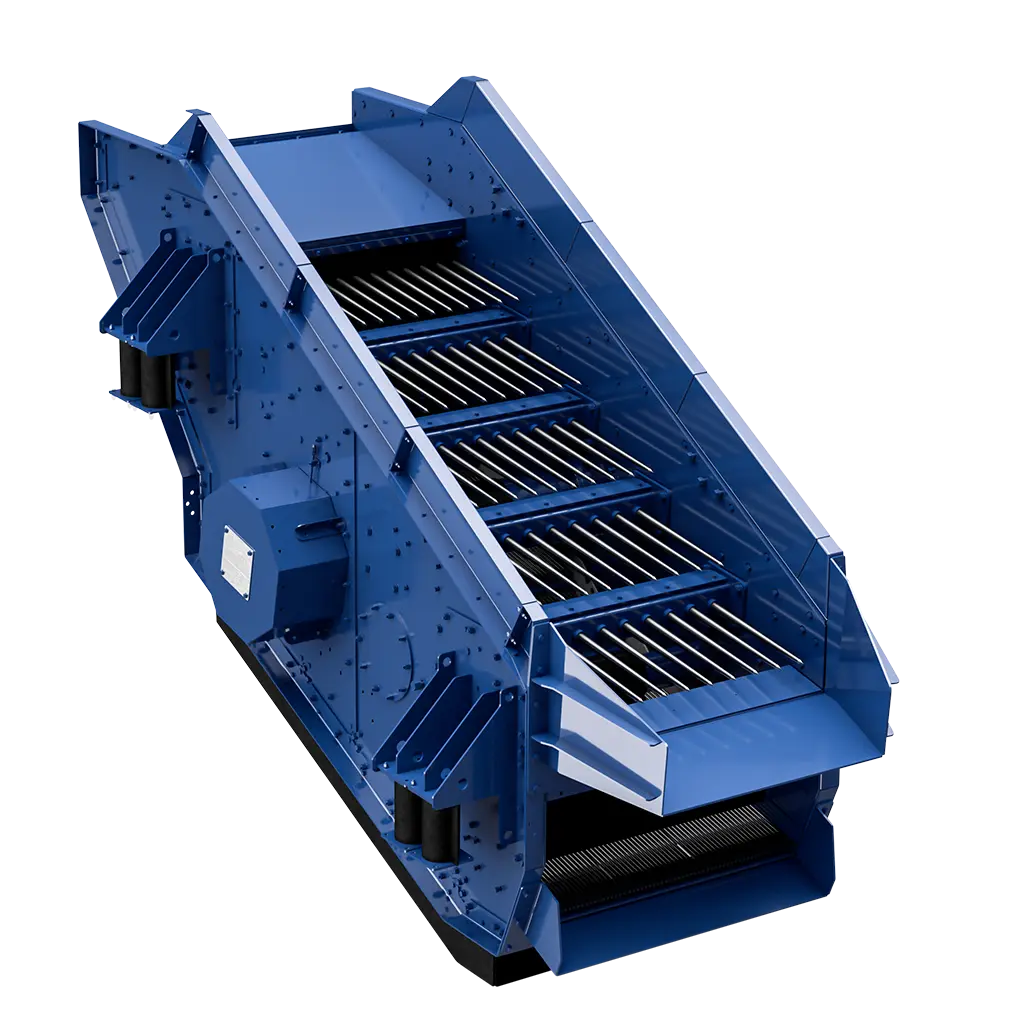
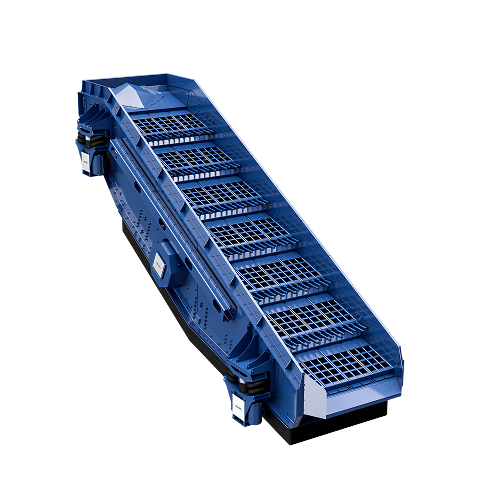
The sorting result is also important when processing mixed construction waste. This animated video clearly demonstrates how to achieve the best results with the SPALECK 3D COMBI screening machine. The recipe for success: High-performance 3D screening surfaces in the upper deck and very reliable screening of fines, sand and dust particles in the flip-flop lower deck.

SPALECK 3D COMBI Screening Machine at a Recycling Facility for Mixed Construction Waste and C&D Waste

Sieve sections:

0–10 mm | 10–80 mm | > 80 mm

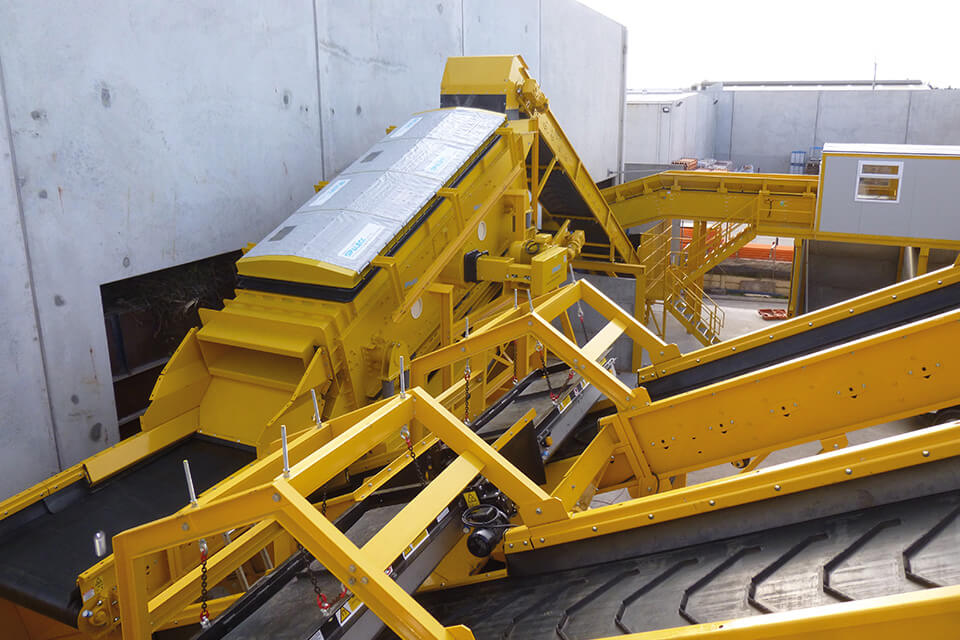
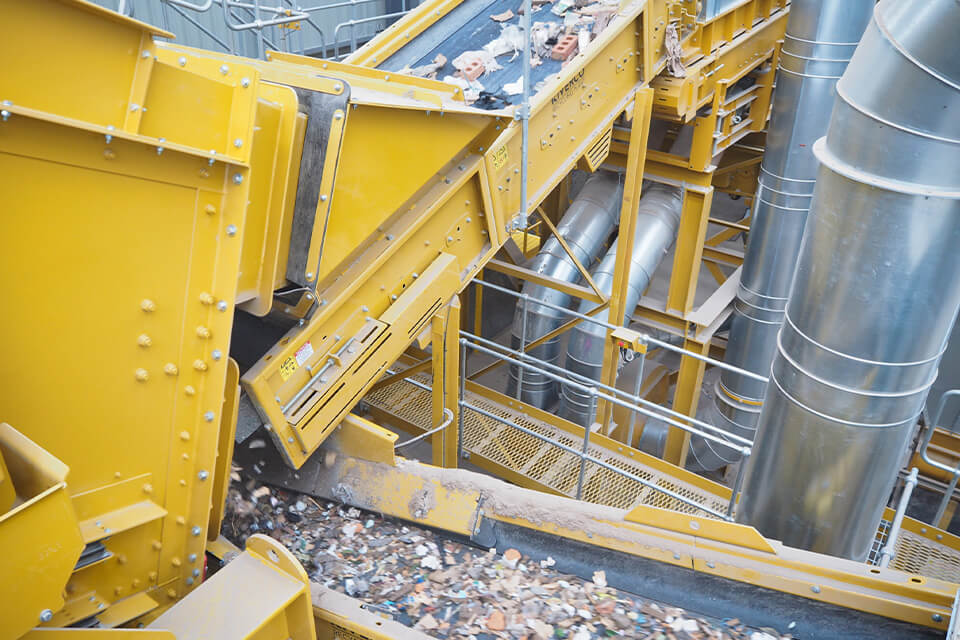
Yellow recycling plant for mixed construction waste with conveyor belts.

Example of flip-flow screen section:

0–8 mm | > 8 mm

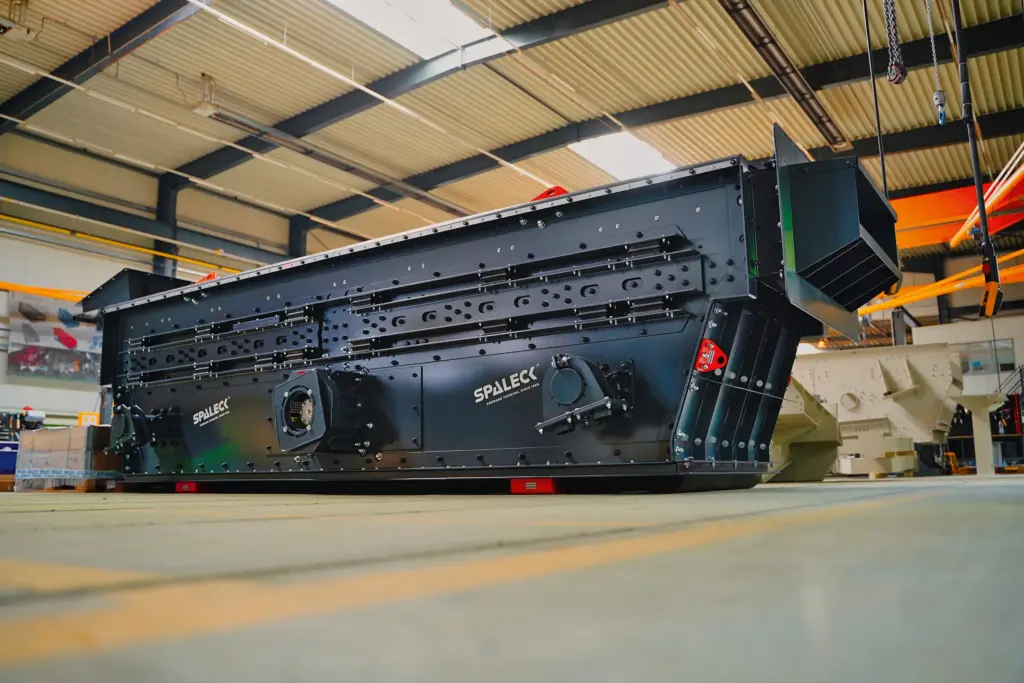
Tension-shaft screening machine for construction waste in the production hall of screening machine manufacturer SPALECK

SPALECK: BEST SCREENING. BEST INFEED. FOR THE BEST SORTING QUALITY. 

Recycling building materials is teamwork

With SPALECK, you have the right partner for your recycling process. Benefit from high-performance technology.

BEST SCREENING. BEST SORTING. SPALECK.

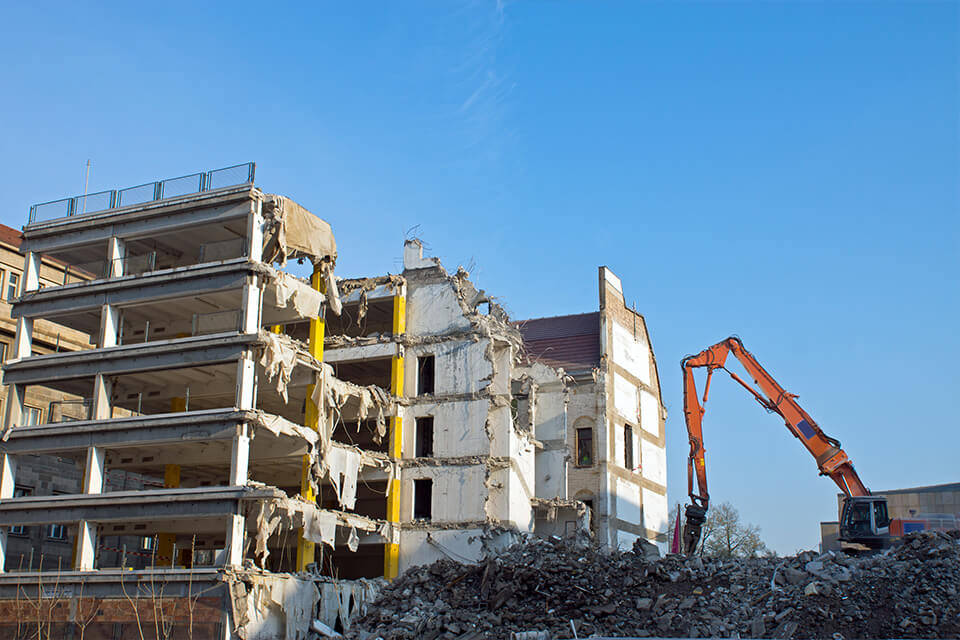
Demolition of a building using an excavator, with construction debris in the foreground.

How is mixed construction waste produced?

Focus on demolition work

Mixed construction waste is produced during the demolition, renovation and new construction of buildings as well as road and bridge construction. The majority of mixed construction waste comes from the demolition of buildings.

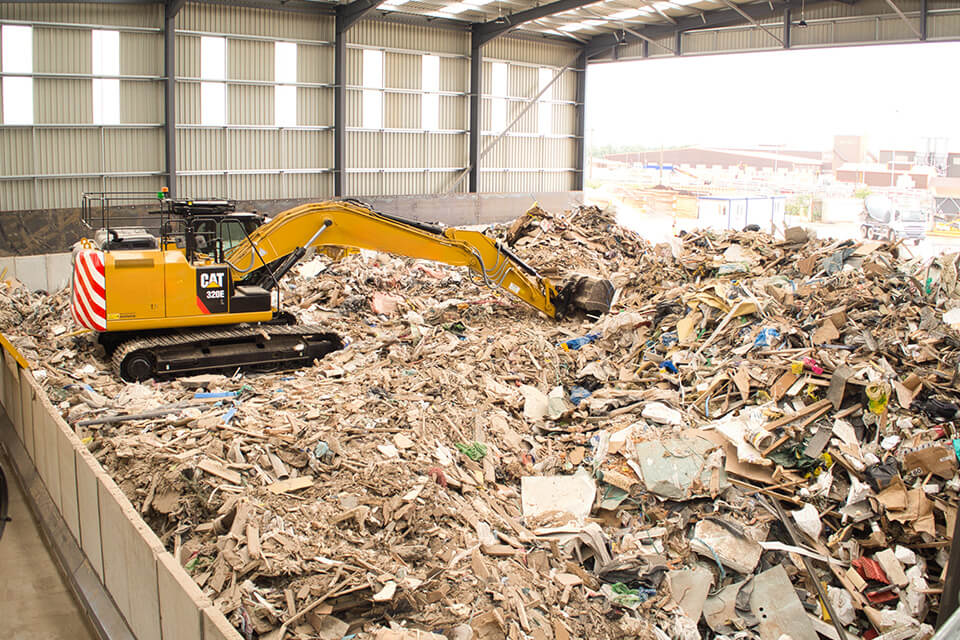
Excavator in Halle processing mixed construction waste

What is mixed construction waste?

Mixed construction waste consists of a variety of materials. When a house is demolished, for example:

  • Building rubble
    Concrete, cement, clinker bricks, sand-lime bricks, bricks, ceramics, plaster, tiles and asphalt

  • Wood
    Timber, formwork, doors, window frames, etc.

  • Metals
    Ferrous and non-ferrous metals such as rebar, steel beams, fittings, pipes, screws, nails, aluminum profiles, cable residues, etc.

  • Insulation materials
    Synthetic and natural insulating materials such as mineral wool, glass wool, rock wool, polystyrene, perlite, etc.

  • Plastics
    Plastic and films of all kinds, PVC pipes, packaging, covers made of rigid plastics

  • Other materials
    Other mixed waste such as cardboard, paper, glass, carpet materials, construction site waste, dust, contaminants and other disposed materials
Yellow recycling plant for mixed construction waste with a conveyor belt.

Process for Treating Construction and Demolition Waste

Sieve sections:

SPALECK: BEST SCREENING. BEST INFEED. FOR THE BEST SORTING QUALITY. 

How is construction waste recycled?

The aim of recycling mixed construction waste and recycling building rubble is to recycle and reuse the individual components and secondary raw materials in an environmentally friendly way.

The material is first collected and taken to specialized recycling plants. At the start of the recycling process, a pre-screen can be used here for coarse separation and to reduce the load on the downstream shredder. The shredder then shreds the remaining material that was screened off by the pre-screen. This process step helps to protect the shredding technology, as components that are too large or cannot be mechanically shredded with the existing shredder are kept away from the shredder. Examples of this are parts of steel girders, long formwork timbers or large, heavy concrete parts.

Magnetic technology is also used, for example, to recover reinforcement bars, angles and sheet metal as well as screws and nails from iron. Typical magnet technology are overflowing and/or lifting magnets (see also metal recycling).

Non-ferrous metals are separated from non-metallic components (e.g. wood, plastic, glass) using non-ferrous separators, also known as eddy current or eddy current separators.

The shredder shreds the material that has not been sorted out by the prescreen and any manual sorters. The so-called hand pickers sort the materials running over a conveyor belt with their hands in a sorting cabin. For example, they can “fish out” valuable metals or sort out unwanted parts (e.g. due to their size or material) for further processing.

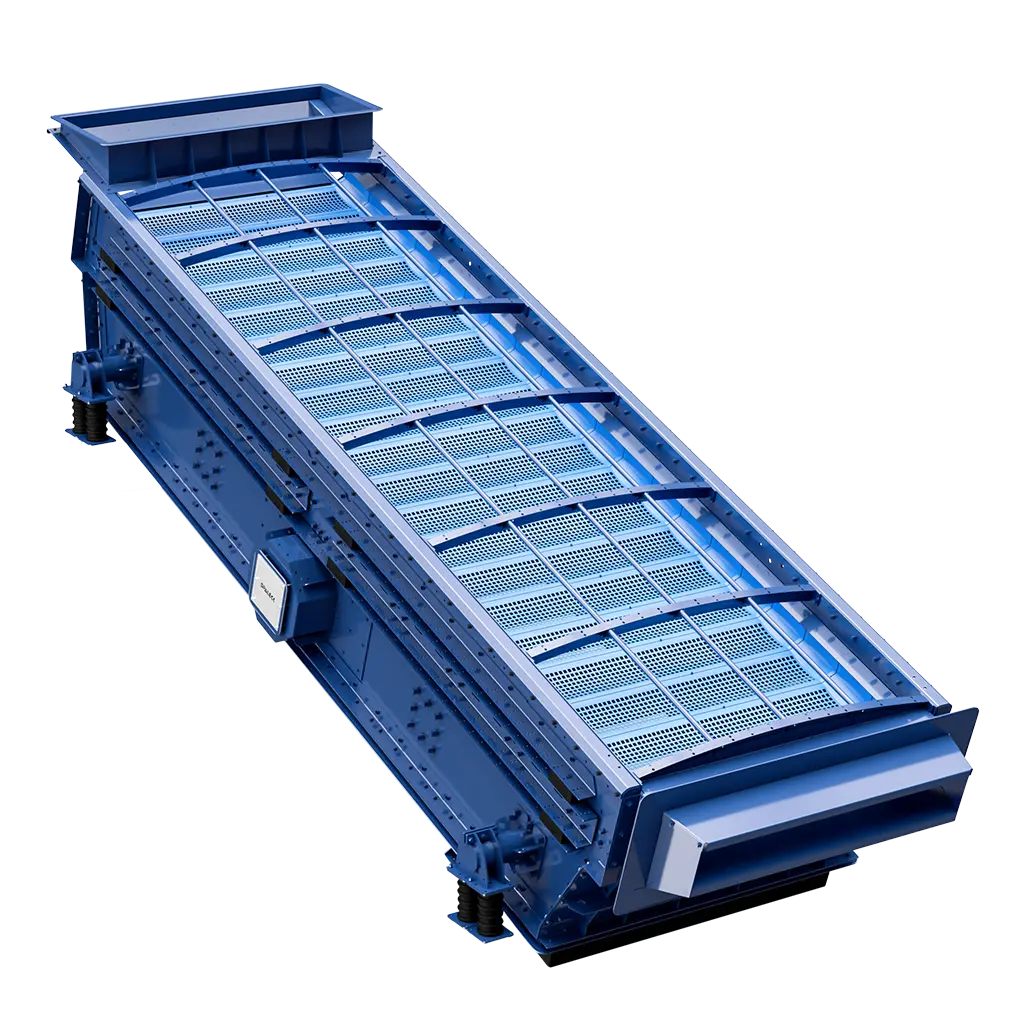
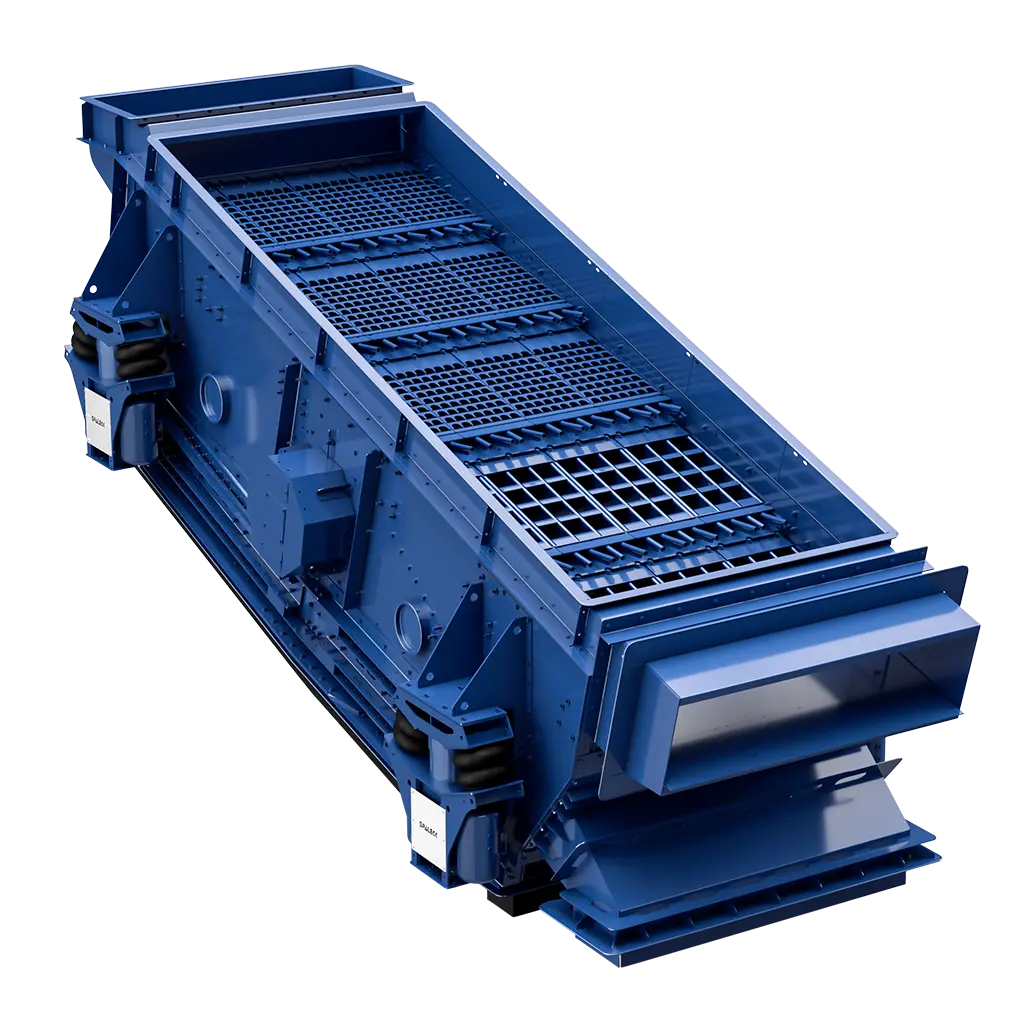
The construction waste is then sorted by size using screening machines. SPALECK 3D COMBI screening machines have proven to be very effective for this purpose, as they can classify up to five sizes and also reliably screen out the fine fraction.

This is important so that the subsequent sorting technology such as eddy current separators, air classifiers and sensor-based sorting devices can function optimally and sort the individual components according to material.

So-called combination sorters use 3D object recognition, color sorting, induction sorting and, for example, NIR sorting technology or XRF or XRT sorting technology to separate materials. For example, a red brick can be reliably identified as a red brick due to its three-dimensional characteristics and color.

Recycling helps to reduce landfill costs and increase the recycling rates of secondary raw materials.

Optimize your mixed construction waste processing

Test your materials for free at the SPALECK Test Center

Every year, we conduct hundreds of material tests with our customers at the SPALECK TestCenter. The goal: Optimal classification and material feed to ensure the best performance of the downstream sorting equipment.

A man in a white shirt is pointing to the right with his finger

Innovation Hub for Your Recycling Project

RECOMMENDED BY LEADING RECYCLERS

Put SPALECK technology through its paces. Using your materials and on two state-of-the-art recycling lines. At the TestCenter, we develop solutions for challenging recycling tasks every day—always in collaboration with and for our customers.

SPALECK Recycling Technology for Your C&D Recycling

Optimized for your material
0 %
Economical
0 %
Up to 5 screen cuts
0
Industrial slag processing plant with conveyor belts.

SPaleck Screening Technology

The Solution for Your C&D Recycling

Simply integrate our high-performance recycling technology into your treatment process for mixed construction waste and commercial waste.

You are currently viewing a placeholder content from YouTube. To access the actual content, click the button below. Please note that doing so will share data with third-party providers.

More Information

A man in a white shirt is pointing to the side; he is the contact person.

Discuss with our recycling technology experts for mixed construction waste

Inform now

Would you like to learn more about the best way to sort your construction and demolition waste? Or do you already have a specific project in mind? Then let’s talk about your material and how it is screened and fed. I’d also be happy to show you some references and case studies.

Our Spaleck Best Sellers for Recycling

The optimal technology for every type of recyclable material

All About Spaleck

You might also be interested in

General, Metal processing, Precision parts

From Marius Bücker

AnniversaryCharleroiOpening of a New Location

Conveying & Separation Technology, General, Top Story, USA

From Hanna Hitpaß

Blood Donation

CSR, Health, Top Story

From Hanna Hitpaß

READY FOR BETTER SCREENING

Together, we optimize your recycling process