

Chat

Precise Separation for Sophisticated Water Treatment

Membrane Processes

Membrane processes enable the targeted separation of the finest particles, microorganisms, and dissolved substances from water and wastewater. Whether Ultrafiltration, Nanofiltration, or Reverse osmosis—we select and combine the appropriate membrane technology based on your water parameters, process requirements, and the desired level of purity.

As part of our customized comprehensive solution, membrane processes lay the foundation for reliable water reuse, process water supply, or advanced wastewater treatment.

Several white pipes from a reverse osmosis system stacked on top of each other in a metal rack

Maximum selectivity

Membrane processes are a key component of modern water and wastewater treatment. By defining specific membrane properties, particles, microorganisms, and—depending on the process—even dissolved substances can be selectively separated from the water.

Whether as a single treatment stage or as part of a multi-stage comprehensive solution, we tailor the membrane technology to your water quality and the requirements of your process.

Specified Water Quality

Membrane processes enable the targeted treatment of water for various industrial applications. Depending on the membrane technology used, particles, microorganisms, or dissolved substances are retained.

As part of our comprehensive solutions, membrane systems can help treat water for reuse or reliably meet the requirements of subsequent process stages.

Compact Integration

Membrane systems can be integrated into existing plants and processes in a space-saving manner. Especially when space is limited, they offer the possibility of specifically expanding existing water treatment systems or adding additional purification stages.

We tailor the design to your existing infrastructure and the requirements of your process.

Consistent Water Quality

Membrane systems are characterized by consistent separation performance and enable reliable treatment even when feed water quality varies. When combined with properly coordinated pre- and post-treatment, they ensure consistent water quality and reliable plant operation.

Cost-Effective Water Treatment

Membrane processes can help reuse water in the process, reduce wastewater volumes, and use valuable resources more efficiently.

The economic benefits for your application depend on water quality, flow rate, treatment objectives, and process control. That is why we always consider membrane technology in the context of the overall water treatment process.

Targeted Filtration for Complex Ingredients

Customized Solutions

Every process is different. If your wastewater contains specific contaminants or exhibits particular challenges, we will develop a customized treatment solution. We specifically combine membrane technology with other processes to reliably reduce the relevant substances and achieve the desired water quality.

At SPALECK, we design membrane systems individually based on your process requirements. In doing so, we take into account, among other factors, the composition and volume of the water to be treated, the desired effluent quality, and the required separation capacity. In this way, we size your membrane system to fit your production process and lay the foundation for efficient and reliable plant operation.

A man in a white shirt gives a thumbs-up.

Protection against microplastics and solids

Fibers and minute plastic particles can be reliably removed from wastewater using appropriate membrane processes. In our turnkey solutions, we often incorporate mechanical pre-treatment stages to reduce the load on the membranes. The carefully coordinated combination of processes protects the plant equipment and improves the quality of the treated water.

A man in a white shirt gives a thumbs-up.

Stable processes without lubricating films

Long-chain hydrocarbons pose particular challenges in wastewater treatment. Conventional separators cannot reliably separate particularly finely emulsified compounds. Only the combination of tailored pretreatment and our high-performance membrane systems can physically and reliably separate even the finest droplets.

A man in a white shirt gives a thumbs-up.

Safely Remove Heavy Metals from the Cycle

Dissolved metal ions require targeted treatment tailored to the specific water quality. Depending on the requirements, we combine precipitation and flocculation with appropriate membrane processes to reliably remove heavy metals and achieve the required water quality.

A man in a white shirt gives a thumbs-up.

Precise Conductivity Through Desalination

For applications that require extremely low conductivity, reverse osmosis is the method of choice. It removes dissolved salts almost completely. When combined with ion exchange, these solutions provide fully demineralized water to permanently prevent corrosion and scale buildup in your industrial process.

A man in a white shirt gives a thumbs-up.

Reliable Solutions for Persistent Chemicals

The removal of “forever chemicals” requires process technology tailored to the specific substances and their concentrations. Depending on the specific application, Nanofiltration can be combined with other methods, such as activated carbon, to specifically reduce PFAS and achieve the required water quality.

A man in a white shirt gives a thumbs-up.

Precision Through Filtration

How Our Membrane Technology Works

The membrane process creates a physical barrier that specifically removes certain contaminants from the water. In our turnkey solutions, the membrane is not a standalone component but rather part of an intelligent, integrated system. Depending on your requirements, we use various membrane processes—from Ultrafiltration to Reverse osmosis—to achieve the water quality required for your process.

Targeted Pretreatment

Before the water reaches the membrane, it undergoes targeted pretreatment depending on its contamination level. For example, coarse particles can be removed mechanically, or organic contaminants can be reduced biologically. Pretreatment reduces the load on the membrane, minimizes the risk of clogging, and ensures reliable system operation.

Physical separation

In the actual membrane process, the water is passed through a membrane at an appropriate pressure, depending on the method used. In this process, the substances to be separated are retained, while the purified water passes through the membrane. Which substances are retained depends on the specific membrane technology—ranging from particles and microorganisms in Ultrafiltration to dissolved salts in Reverse osmosis.

Optional: Disinfection

Depending on the requirements, an additional disinfection step may be implemented. This allows for the targeted inactivation of any remaining microorganisms and further ensures the hygienic quality of the treated water. This can be particularly relevant when reusing water in sensitive production areas.

Repatriation

The result of the treatment is purified water of a specified quality. Depending on the treatment objective, this water can, for example, be reused as process water or—provided the relevant requirements are met—discharged.
The targeted reuse of water can reduce fresh water consumption and wastewater volumes. The potential savings depend on the specific process and operating conditions.

Water Categories

The Right Water Quality for Every Process

Every industrial process requires different water qualities. We develop the right water treatment solution for your application—tailored to the required water quality, the process, and the existing conditions.

The Foundation for Your Processes

Well Water and Raw Water

The efficiency of your wastewater treatment depends on the quality of the influent. Our membrane processes protect the biological components and prevent particles from blocking the oxygen supply. As a comprehensive solution, this also allows you to use well water: It protects your equipment from scale buildup and saves you money on expensive municipal water.

A man in a white shirt is smiling and pointing to the side.

Ensure Conductivity

Deionized water (fully deionized)

High-quality process water protects your infrastructure. By using precise membrane systems downstream of the biological treatment stage, we ensure that conductivity and purity meet your exact requirements. This ensures you receive perfectly treated water that is optimally tailored to your process and guarantees that your equipment retains its value.

Optimize Your Costs

Process and Service Water

Not every application requires drinking-water quality. Through targeted treatment processes, treated wastewater can be reused as process and service water—for example, in cooling or washing applications. This reduces the demand for fresh water and lowers operating costs, while allowing existing water resources to be used more efficiently.

Circular Economy

Circulating water

By combining various treatment processes, even wastewater with complex contaminants can be treated in a targeted manner. Membrane processes are used to physically separate certain substances and can be combined, for example, with biological processes.

A man in a white shirt points to the side: industrial and process water treatment.

Contact us

Quick- inquiry

Spaleck Wassertechnik GmbH
6 Robert-Bosch Street
46397 Bocholt

Phone: +49 2871 2134 – 0
E-mail: info@spaleck.de

Our Water Treatment Technologies

Applications of Industrial Membrane Filtration

Highly Efficient Water Treatment Through a Combination of Processes

When combined with targeted oxygenation, membrane technology offers a reliable solution for treated wastewater. Through the use of ultrafiltration or reverse osmosis, contaminants are not only biologically degraded but also physically and reliably removed. This comprehensive solution optimally prepares your water for reuse or safe discharge into the process.

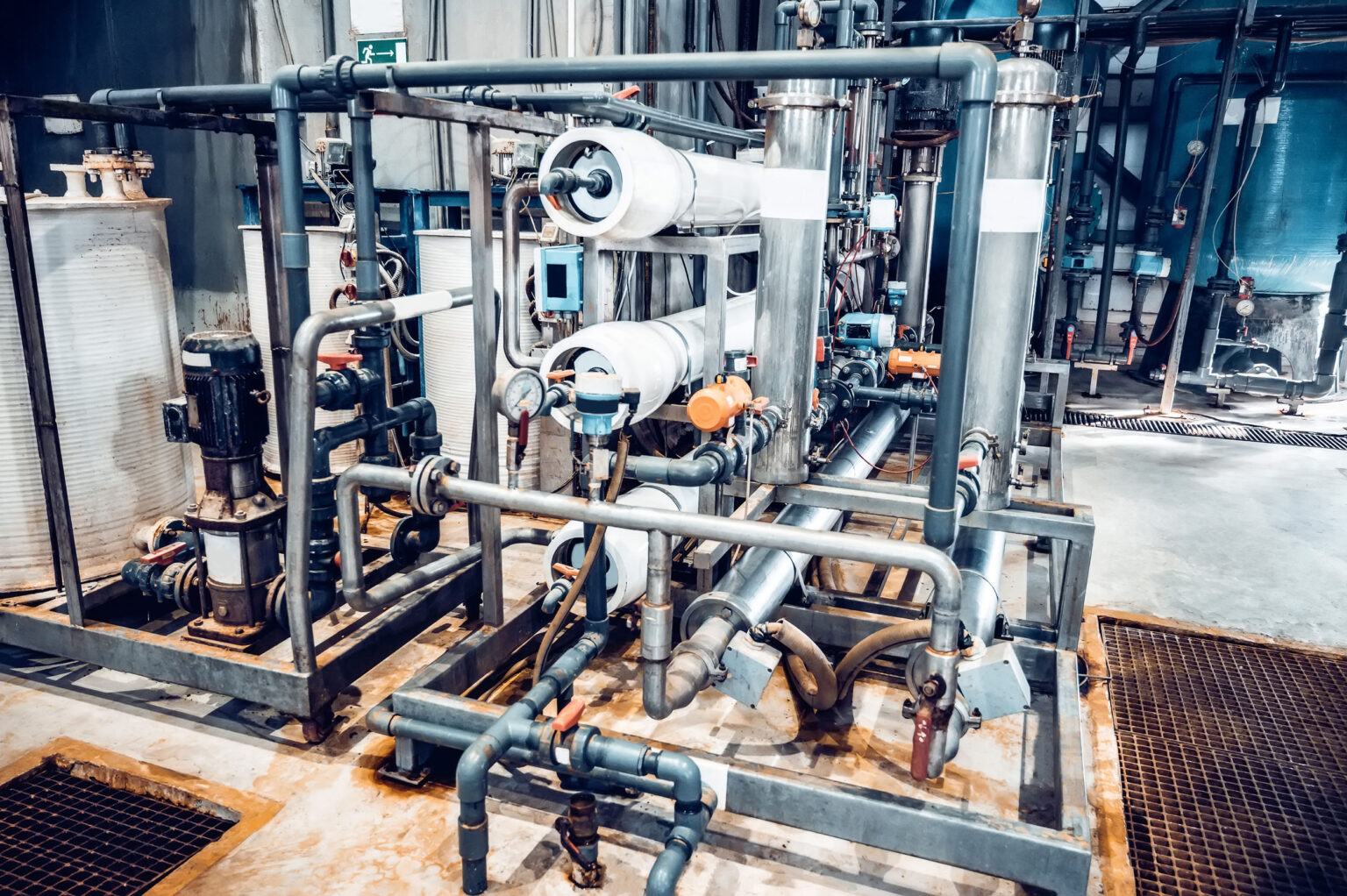
Water treatment plant in an industrial setting.

Ensuring Process Stability Through Filtration

Long-chain hydrocarbons pose particular challenges in wastewater treatment and can place a strain on conventional systems. Our membrane processes, particularly Ultrafiltration, act as a physical barrier and reliably separate even the finest emulsions. In combination with our turnkey solutions, pollutants can be specifically reduced, and treated water can be made available for reuse in cooling and production loops.
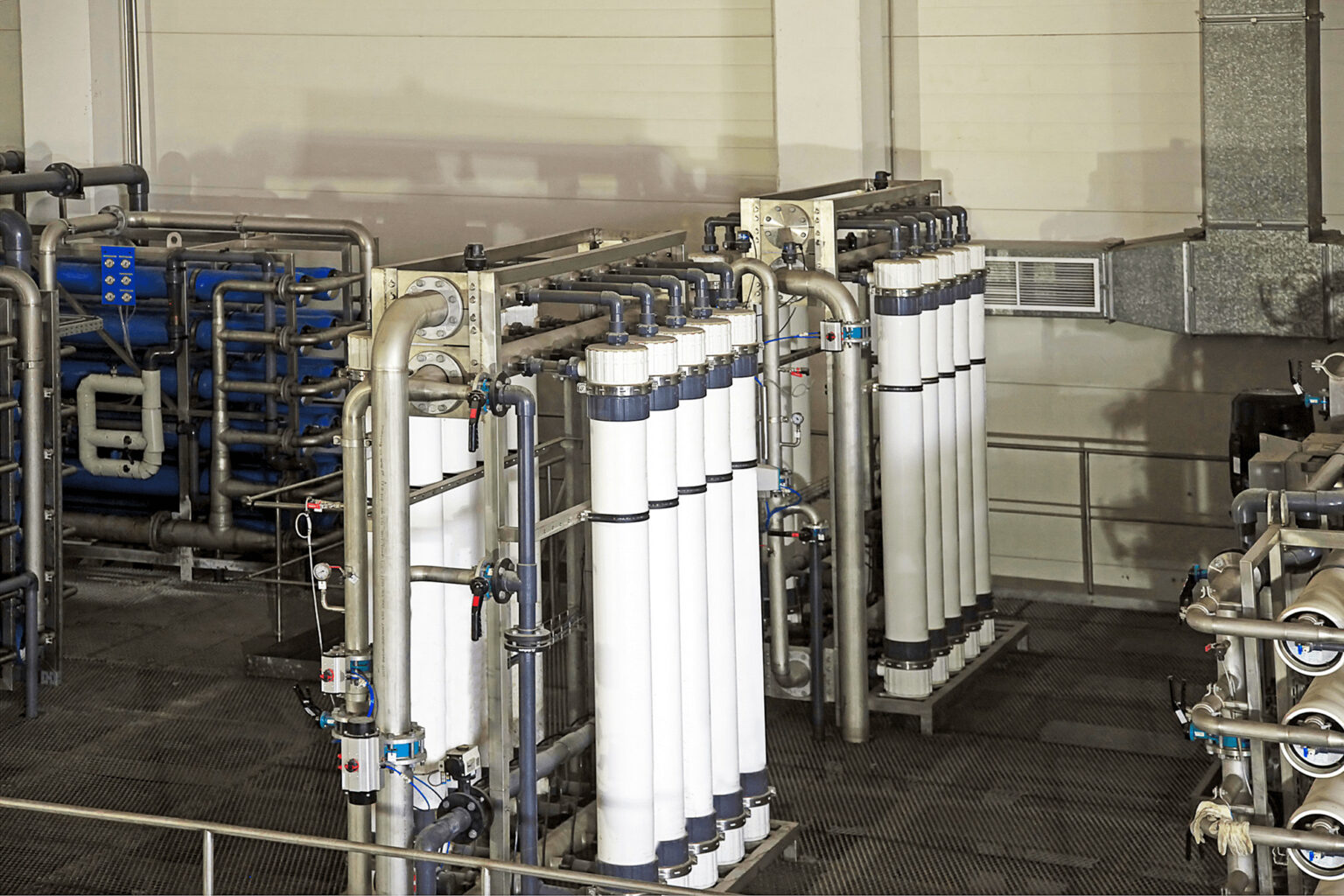
Reverse Osmosis System in an Industrial Setting

Hygienic Separation of Organic Loads

High concentrations of sugar, proteins, and starch require precise treatment. By using fine-pore membrane filtration, these organic contaminants and microorganisms can be effectively retained after biological degradation. Our comprehensive solutions help reduce COD and BOD levels, provide hygienically treated recirculating water for your process, and ensure compliance with discharge regulations.

Close-up of a white pipe at an industrial water treatment plant

Efficient Removal of Solvents

Pigments, solvents, and resins require high-performance treatment. By combining biological degradation with 3feinprogier filtration, even the smallest residues can be selectively removed, and the chemical oxygen demand can be reduced. This comprehensive solution treats the water for subsequent production steps or enables appropriate treatment for discharge.
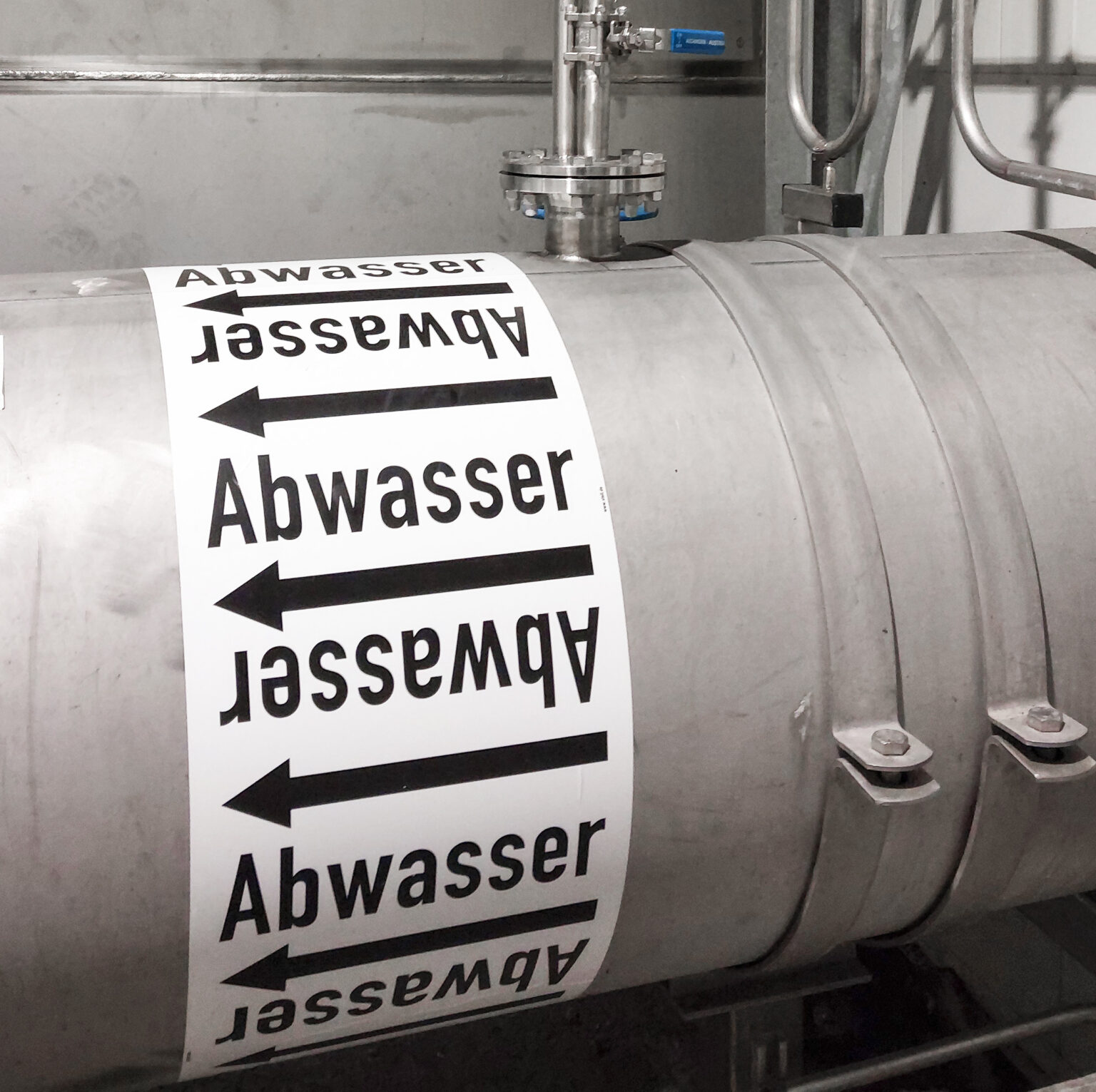
Gray pipe labeled "Wastewater"

Safety in Complex Connections

Complex organic compounds require precise treatment and separation. In our turnkey solutions, for example, we combine aerobic processes with high-performance membrane filtration to specifically retain these substances. This provides you with reliably treated water for subsequent production steps while simultaneously reducing waste volumes and associated costs.
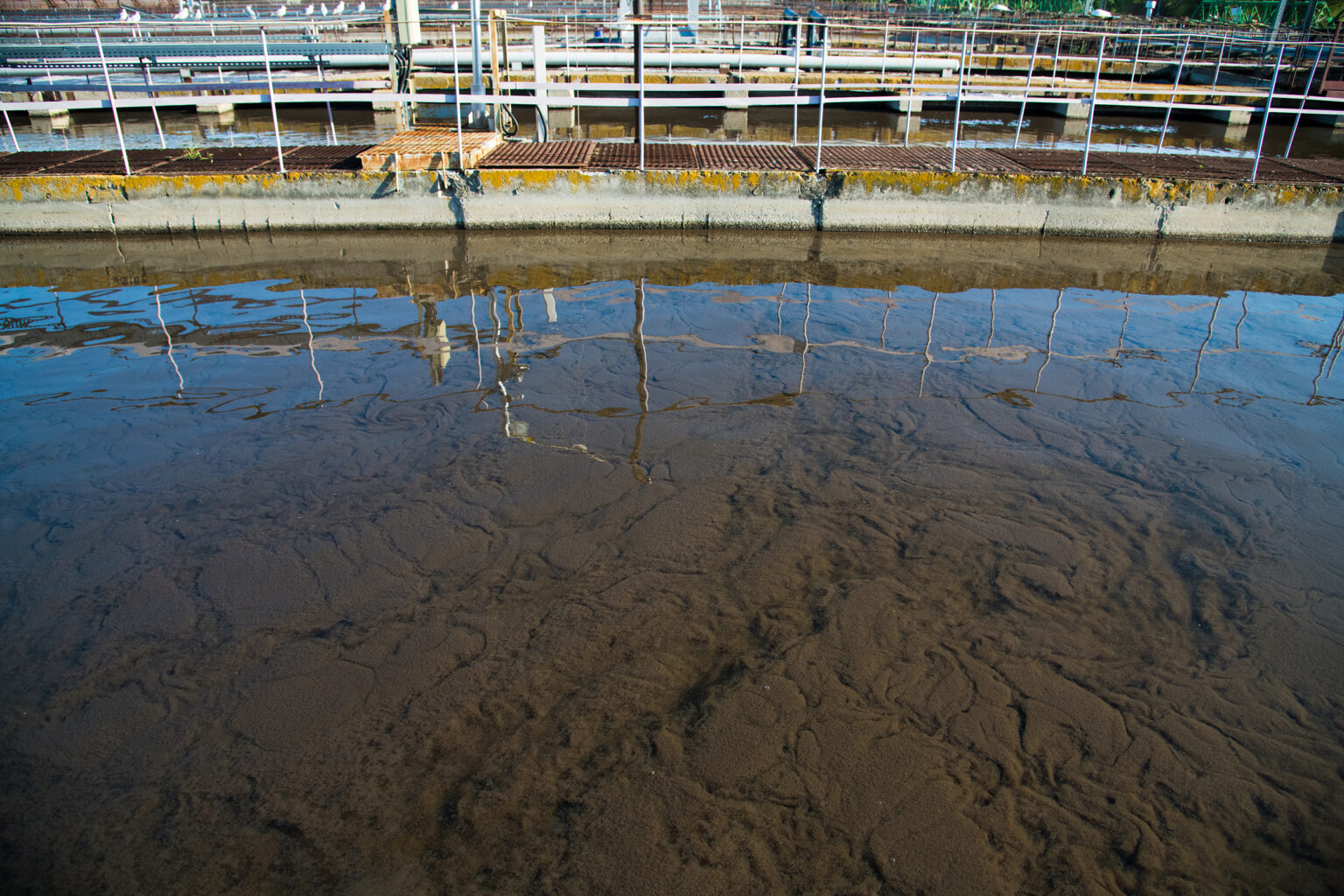
A basin filled with purified water. Sewage sludge settles at the bottom.

Industry-Specific Membrane Solutions

Every production process has its own ecological footprint. Our comprehensive solutions combine flexible membrane processes—from microfiltration to reverse osmosis—with biological treatment stages to specifically reduce contaminant levels. We design the safest and most cost-effective treatment solution for you, so you can reuse your water in the process exactly as needed.

Your Contacts

If you have any questions about SPALECK water technology, our experts will be happy to assist you.

All About Spaleck

You might also be interested in

Carbon CaptureCCUSCement PlantHMTIndustrial DampersindustryMetal ProductionWaste-to-energy plants
Industrial Valves
From Hanna Hitpaß
careereducation
CSR
From Iris Stenkamp
Bulky wasteModularDESIGN+Substitute fuel
Conveying & Separation Technology, General
From Dominik Becker

Everything You Need to Know

FAQs

Here are some questions about SPALECK Wassertechnik’s membrane processes. If you have any further questions, please feel free to contact us.

Very small, dissolved gases or certain extremely short-chain solvents can pass through simple membranes. Here we combine membrane technology in our complete solutions with biological oxygen processes or activated carbon to eliminate these substances completely.

While reverse osmosis requires energy due to the high operating pressure, ultrafiltration is very economical. We optimize our systems in such a way that the energy costs are usually amortized within a short time due to the savings in fresh water and wastewater consumption.

Yes, massively. Filtration makes the wastewater so clean that it either remains in the cycle as process water (zero liquid discharge approaches) or safely falls below the limit values for direct discharge, which eliminates heavy pollutant surcharges.

Fouling or scaling is prevented by intelligent pre-treatment. In our complete solutions, we often install aerobic stages or mechanical filters upstream to reduce the organic load and solids before the water reaches the membrane.

Ultrafiltration physically retains particles, bacteria and viruses. Reverse osmosis goes one step further: using high pressure, it also removes dissolved salts and the smallest organic molecules, resulting in virtually distilled water.