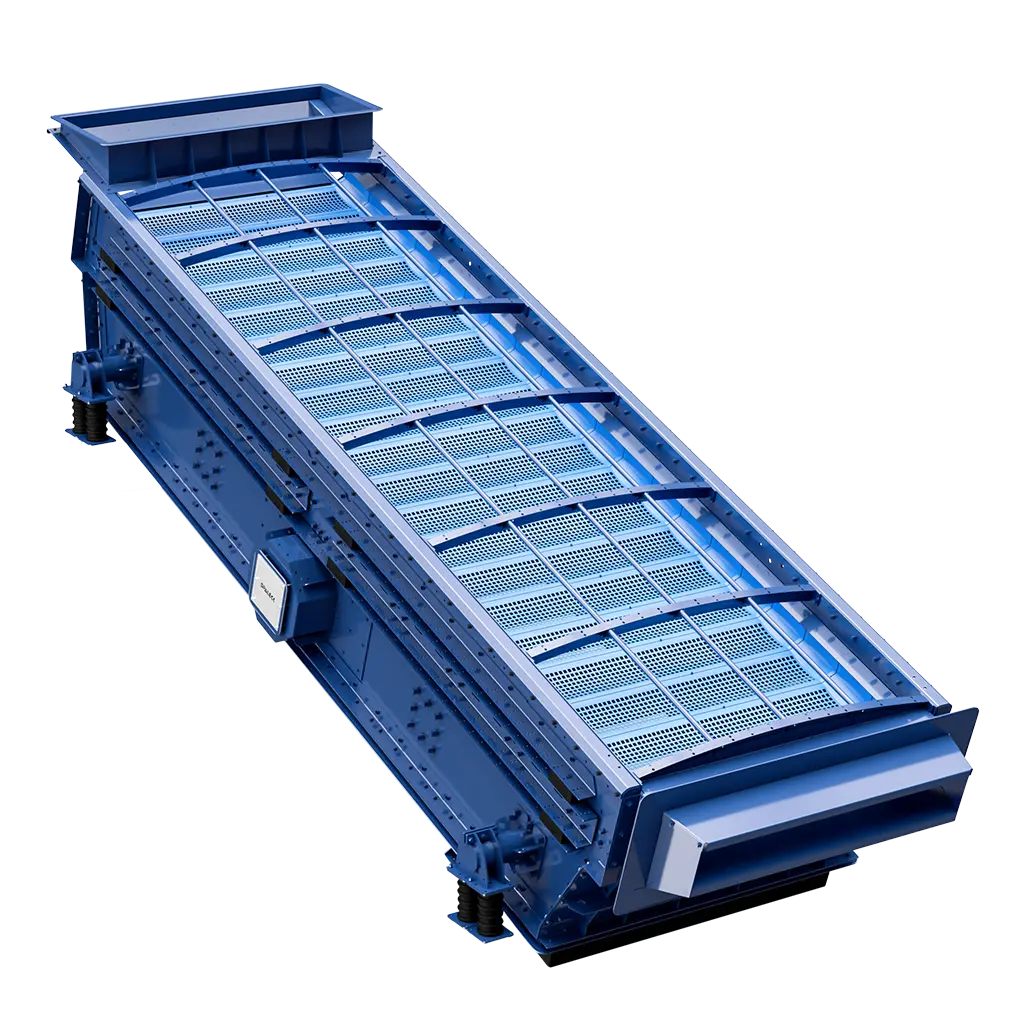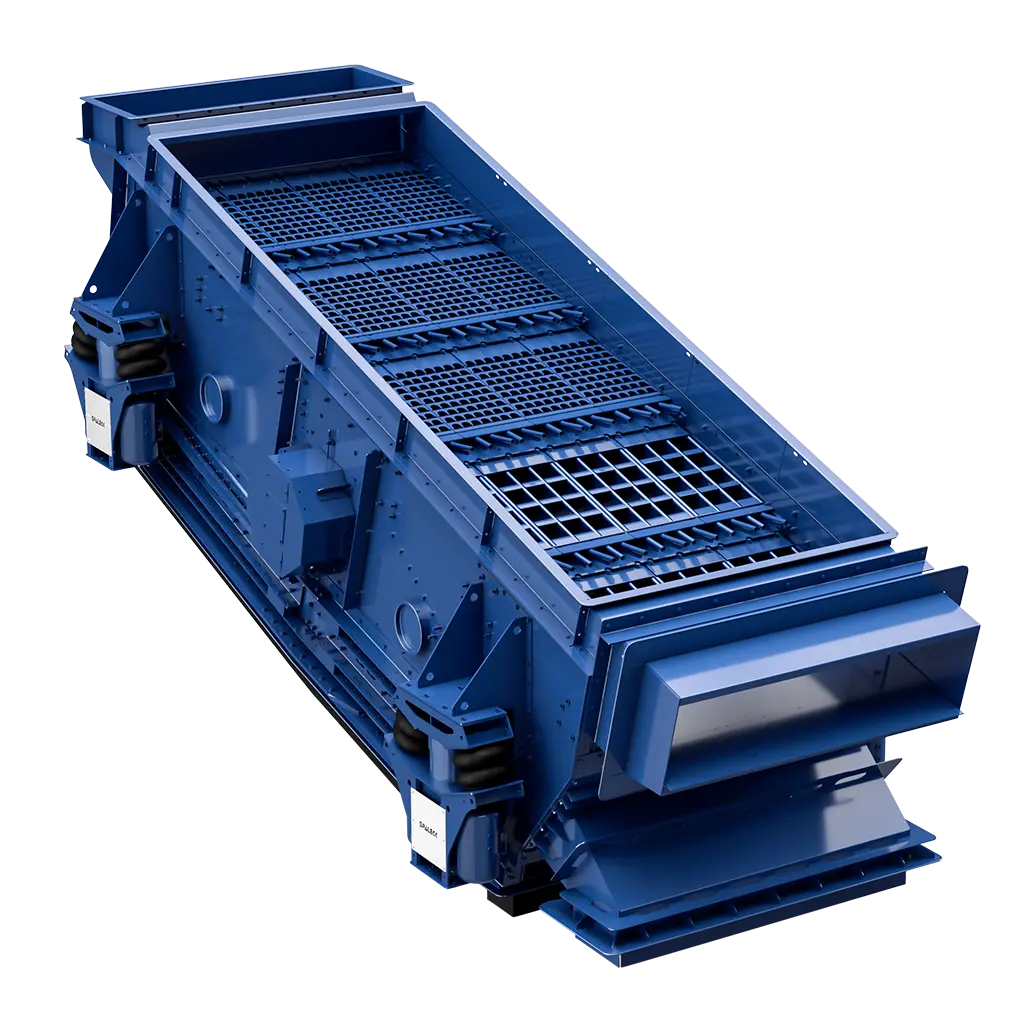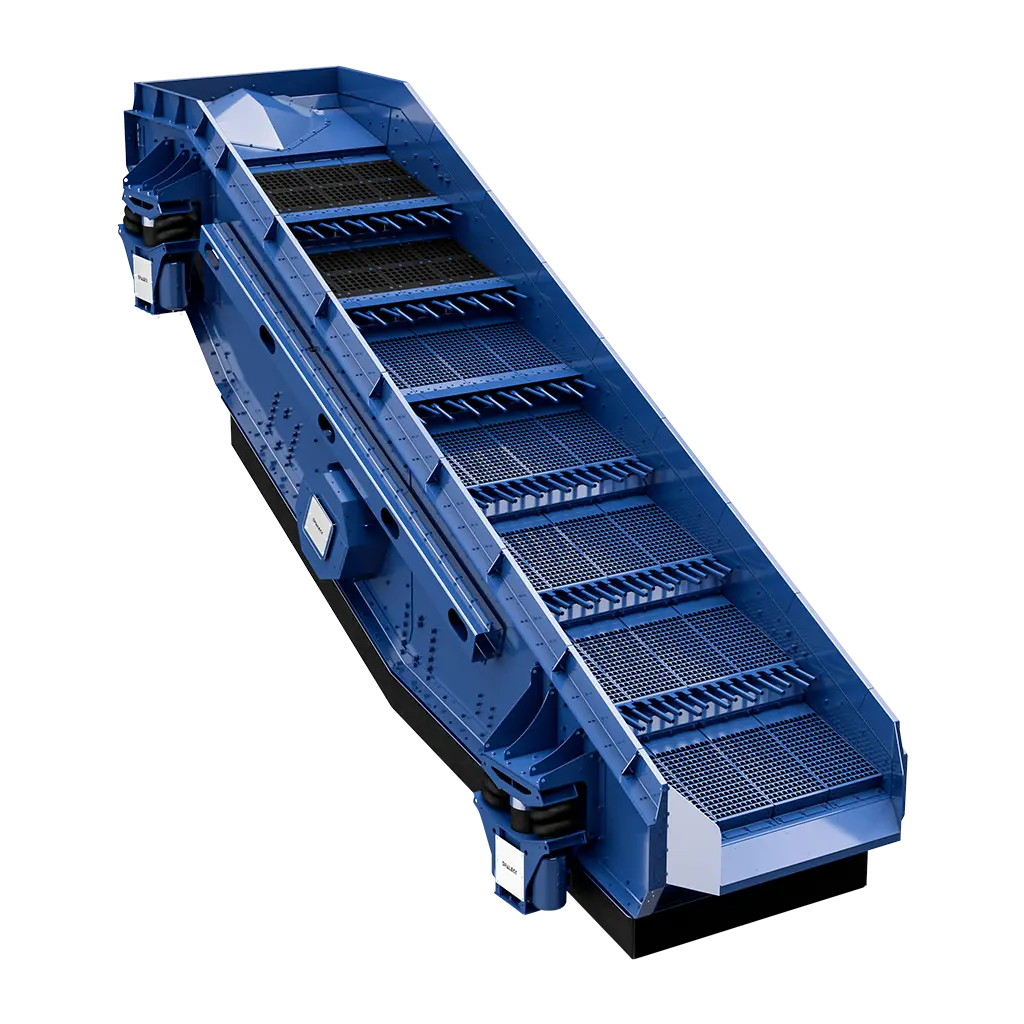







Circular Vibrating Screen
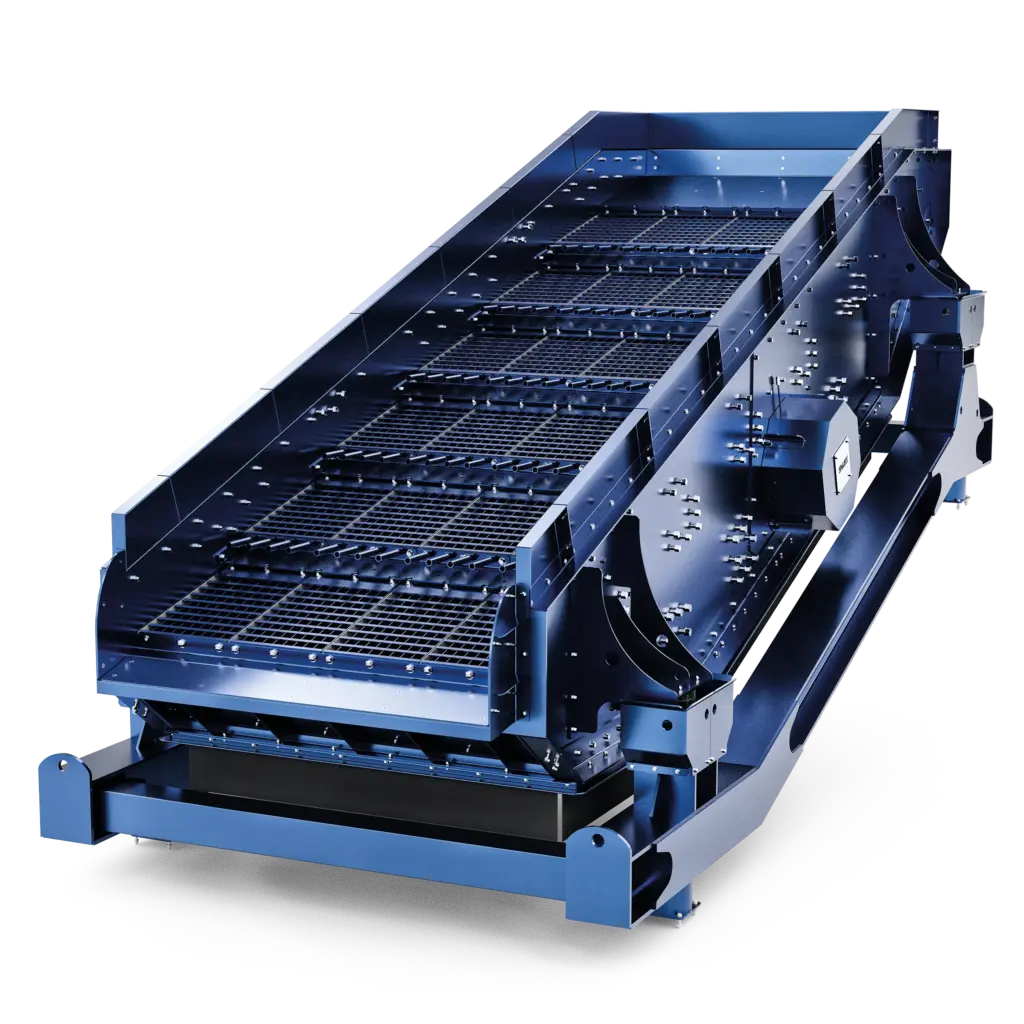
The recycling screen is used for the efficient and highly precise sorting of recycled materials.
It prepares the input material for further processing and sorting.
It is precisely tailored to your specific recycling application.
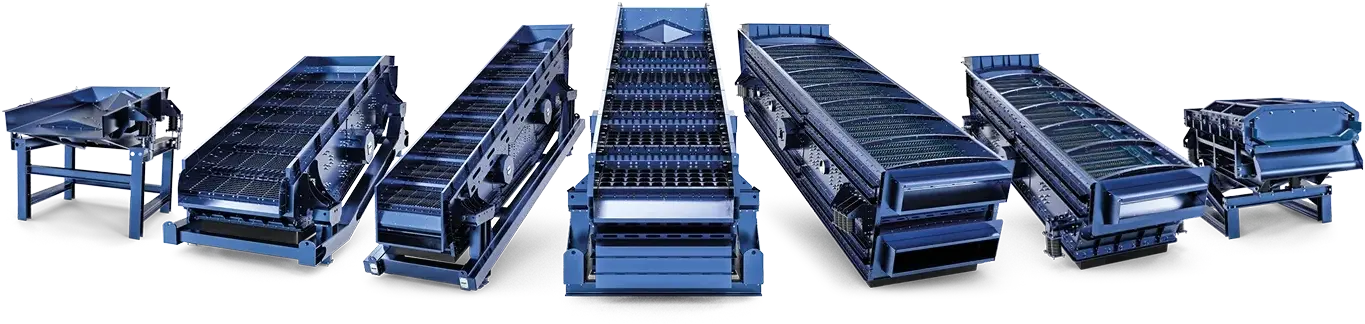
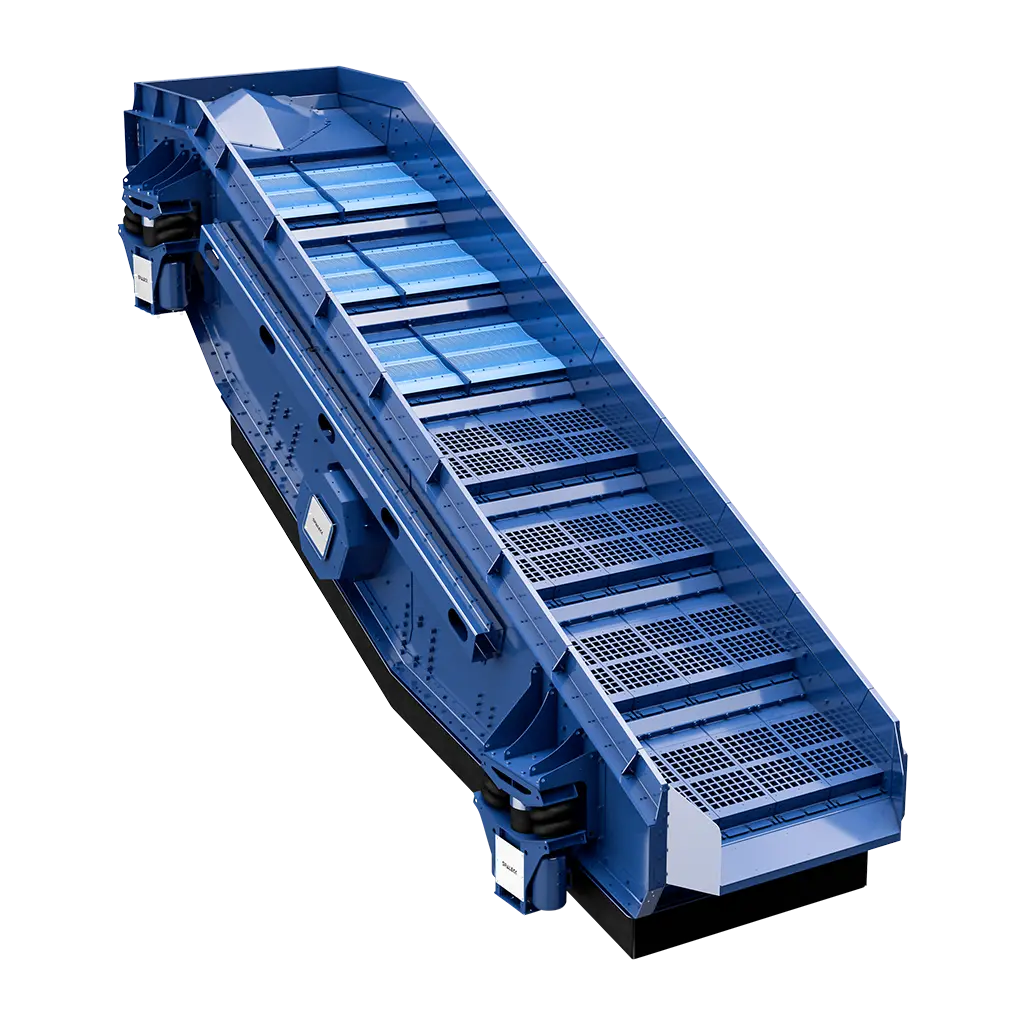
SPALECK recycling screens are specially designed for sorting coarse and medium-sized recycled materials. They enable very precise separation of material streams by size. Typical input fractions consist of material streams ranging from about 20 to 300 mm. Recycling screens are therefore a key process step for cost-effective recycling and the downstream sorting and processing operations. The SPALECK recycling screen is a circular vibrating screen. It is important to note that these screening machines are designed and built specifically for the respective input material. As a result, SPALECK screening machines produce very precise grain size distributions, which can then be processed in subsequent process steps using sorting technology to separate them precisely by material type and composition.
You are currently viewing a placeholder content from YouTube. To access the actual content, click the button below. Please note that doing so will share data with third-party providers.
More InformationOur team will be happy to advise you on a simple retrofit or the new installation of a SPALECK recycling screen for your plant design.
MATERIAL
FRACTIONS
DESIGN+
Have you heard the saying, “Shit in, shit out”?
Recycling experts know that clean grain belts and precise screen cuts are essential for effective sorting and, consequently, cost-effective recycling.
SPALECK recycling screens enable you to supply your recycling process with optimally graded material.
They therefore stand for BEST SCREENING. BEST SORTING.
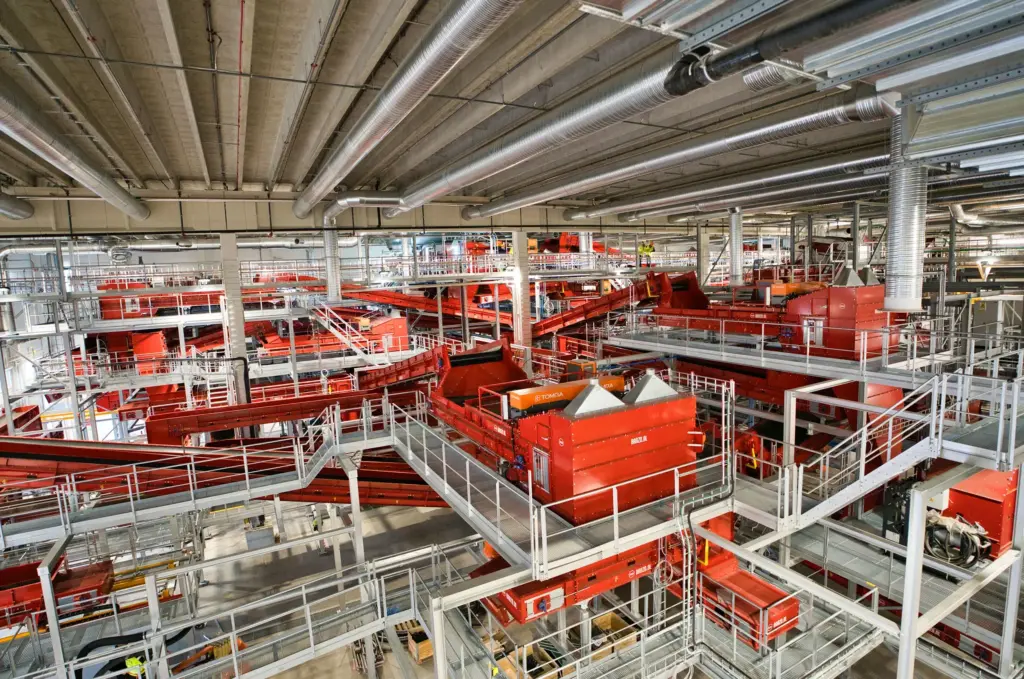
SPALECK recycling screens are a key component of modern processing systems worldwide.
In recycling plants, they impress with their high throughput rates. The modular design and optimization for your material ensure cost-effective and reliable operation.
Plant operators benefit from optimized processes and very high plant availability.
You are currently viewing a placeholder content from YouTube. To access the actual content, click the button below. Please note that doing so will share data with third-party providers.
More InformationWorking closely with you, our experts will configure your new recycling screen so that it is 100% tailored to your material, your goals, and your process.
Thanks to our ModularDESIGN+ concept, the screening machine remains as flexible as possible for future adjustments or changes in material flows.
This gives you high-performance processes today and peace of mind for tomorrow.
In recycling, screening performance, screen quality, and absolute reliability during screening and processing are what count.
Take advantage of top-quality machine components, a maintenance-friendly design, and leading-edge screening technology. This increases system availability and keeps operating costs low.
You are currently viewing a placeholder content from YouTube. To access the actual content, click the button below. Please note that doing so will share data with third-party providers.
More Information
When precise sorting, high material throughput, and cost-effective plant operation are critical, the SPALECK recycling screen is the ideal choice.
Many leading recycling companies around the world rely on this technology. We would be happy to arrange site visits to existing facilities that use your material.
Recycling facilities process a wide variety of material streams—from mixed commercial or municipal waste to complex metal mixtures and moist, sticky organic matter. For the sorting and processing equipment to operate efficiently, the input material must first be reliably classified by particle size. Below you will find a small selection of typical materials and information on how we can best customize your new recycling screen to suit your material.
We build every SPALECK recycling screen 100% tailored to your application and recycling process. The goal is to sort the input material precisely by size. In doing so, we ensure the highest screening quality for the best sorting results.
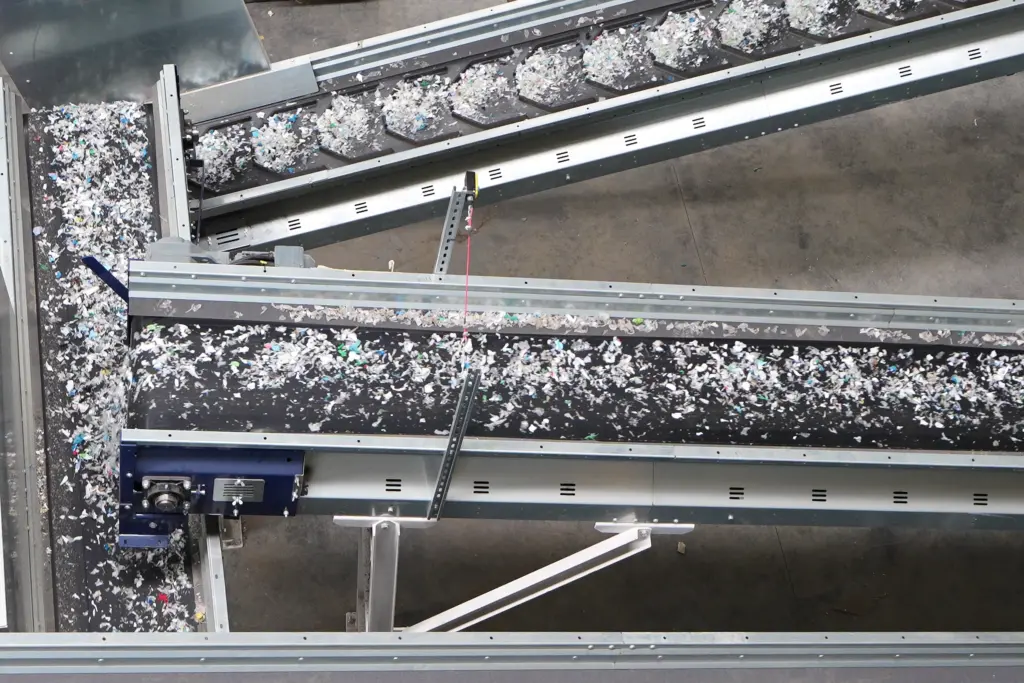
Your material. Your screening machine. This SPALECK principle naturally also applies to films, LVP, RDF, shredded plastics, or PET recycling, for example. The recycling screen is equipped with the best screening media, and its design is optimized to ensure the material spends the optimal amount of time on the deck. In addition, there are useful equipment options, such as dynamic fingers or special screen liners, that help you get the most out of your material.
In metal sorting, long pieces and entrained contaminants negatively affect the sorting results. SPALECK recycling screens are used successfully in metal recycling operations around the world. The reason? We understand your material and know the optimal settings for precise screening. Find references here, or use the SPALECK TestCenter below to schedule a test day with your material.
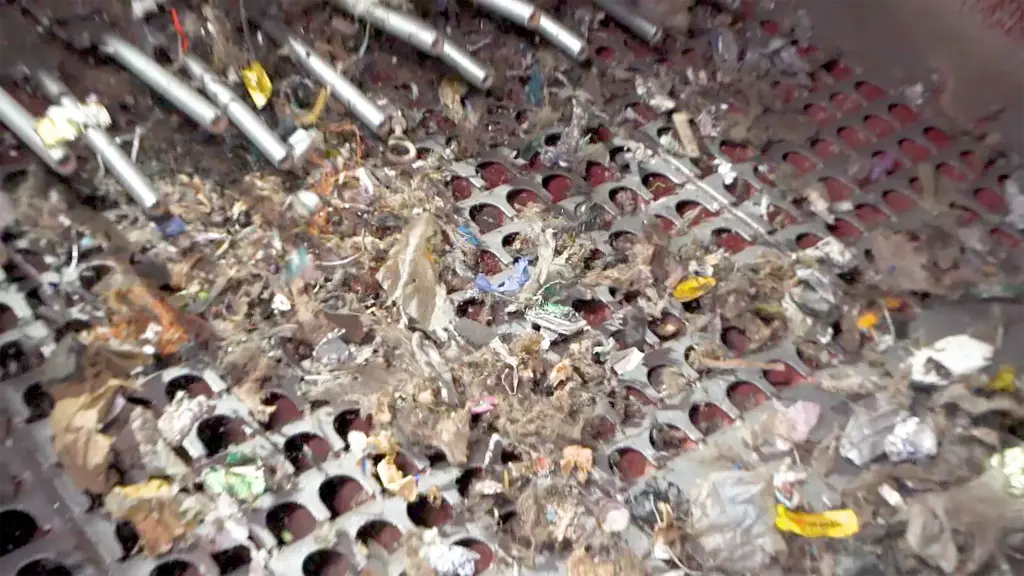
200,000 metric tons or more per year, demanding continuous operation: The processing of household and bulky waste places high demands on recycling technology. Well, that’s where SPALECK screening technology comes in to help with reliable and precise screening. Here, too, SPALECK offers machine configurations tailored to your material—whether with integrated glass breakage protection, our AutoCLEAN technology, or the SPALECK CONNECT system for predictive maintenance and maximum machine uptime.
Australia, the U.S., Europe, the Middle East, and Asia: Recycling companies and equipment manufacturers around the world use SPALECK recycling screens to process mixed construction waste and industrial waste.
Compost producers rely on consistent screening quality year-round. Fortunately, there are products like the SPALECK tension-shaft cassettes, which allow you to easily equip your recycling screen with an additional tension-shaft screening unit during the wet season. Or you can start using our new AutoCLEAN system right away. In any case, you’ll benefit from top-quality screening results with little or no cleaning required.
Umweltkontor Bergkamen, Deutschland
BANZO Engineering, Niederlande
Discuss with our experts in screening technology and material feeding
Would you like to learn more about how to optimally sort your recyclable materials using a recycling screen? Or do you already have a specific project in mind? Then let’s talk about your material and how it’s screened. I’d also be happy to show you some references and case studies.
SPALECK recycling screens are designed for maximum process stability and reliable performance. The design ensures even distribution of material across the entire screen surface, enabling precise classification even with very challenging materials.
The recycling screens and screen decks are specifically designed for demanding use in recycling plants and offer high wear resistance and reliability. Thanks to special machine settings, even highly abrasive, heterogeneous, or sticky recycled materials, for example, can be reliably sorted.
The better the configuration of the screen liners, the material-specific screen machine features, and the adjustment of the recycling screen are tailored to the material, the higher your economic return from recycling will be. That is why we design each screening machine specifically for each project. This way, we can work together to find the best machine settings for optimal screening results and a long machine service life.
Quick and easy access to all relevant machine components, smart features such as our LubricationCONTROL or our SPALECK Connect technology, and a high-performance, global service are a given for us. This ensures that your recycling plant remains efficient over the long term.
Recycling screens play a key role in many recycling plants: the reliable and precise sorting of material streams. Requiring little cleaning and maintenance, they ensure very precise cuts and accurate grading. This reduces the load on downstream sorting equipment and ensures that recycling processes are operated cost-effectively. Typical applications range from mixed construction waste, household waste, and waste-to-energy ash to applications in metal and plastic recycling, as well as the processing of compost and organic waste streams.

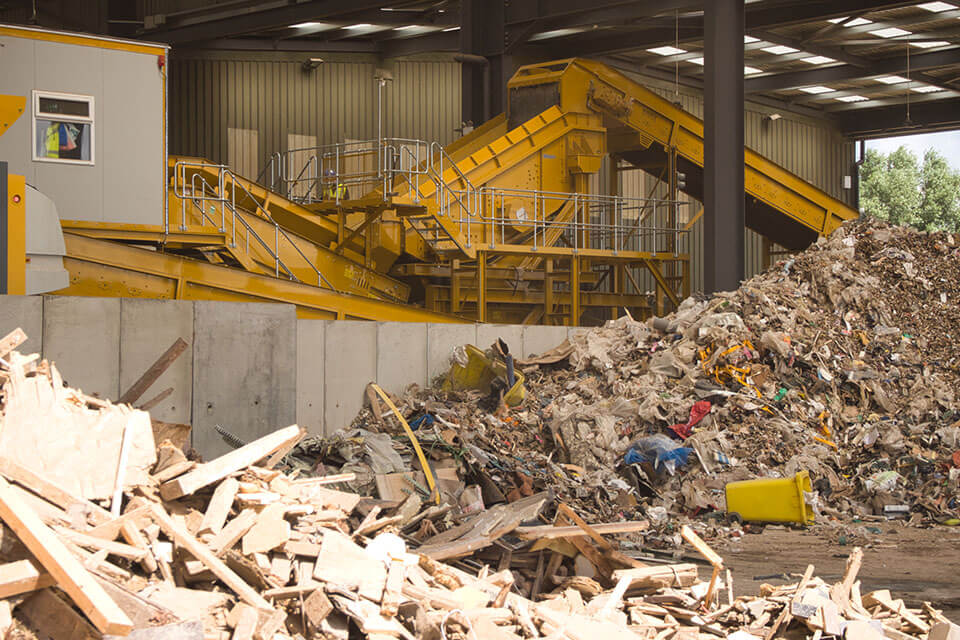
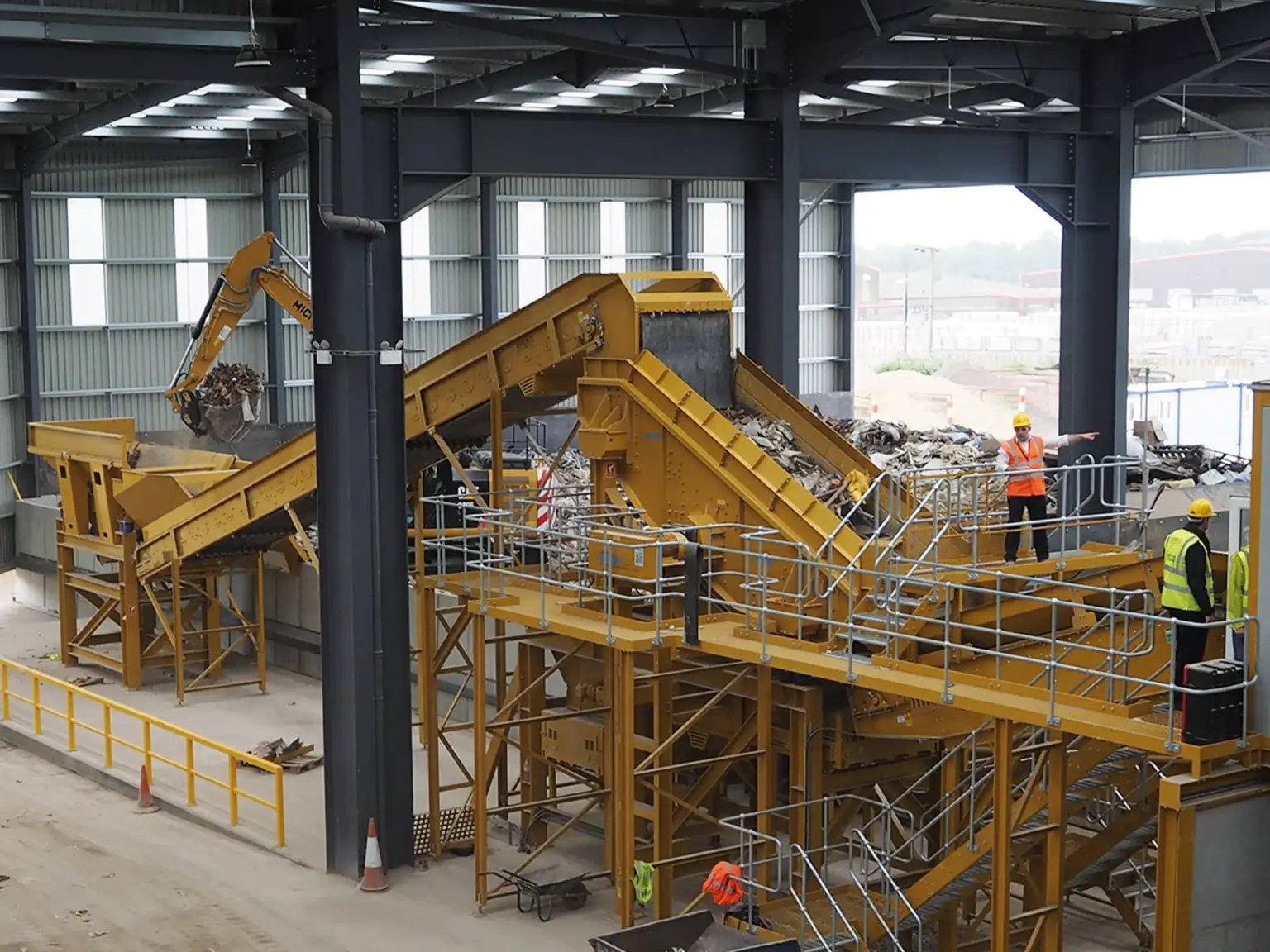
In the processing of construction debris, the recycling screen is used to sort the input material. Mixtures of concrete, bricks, glass, wood, composite materials, and contaminants are reliably separated into defined particle sizes. Typical cut sizes include, for example, 20–60 mm, 60–120 mm, and larger than 120 mm. This results in clearly defined fractions that can be processed further as needed. Subsequent processing steps, such as air separation, sensor sorting, or manual sorting, benefit from uniform grain streams with very high screening quality.
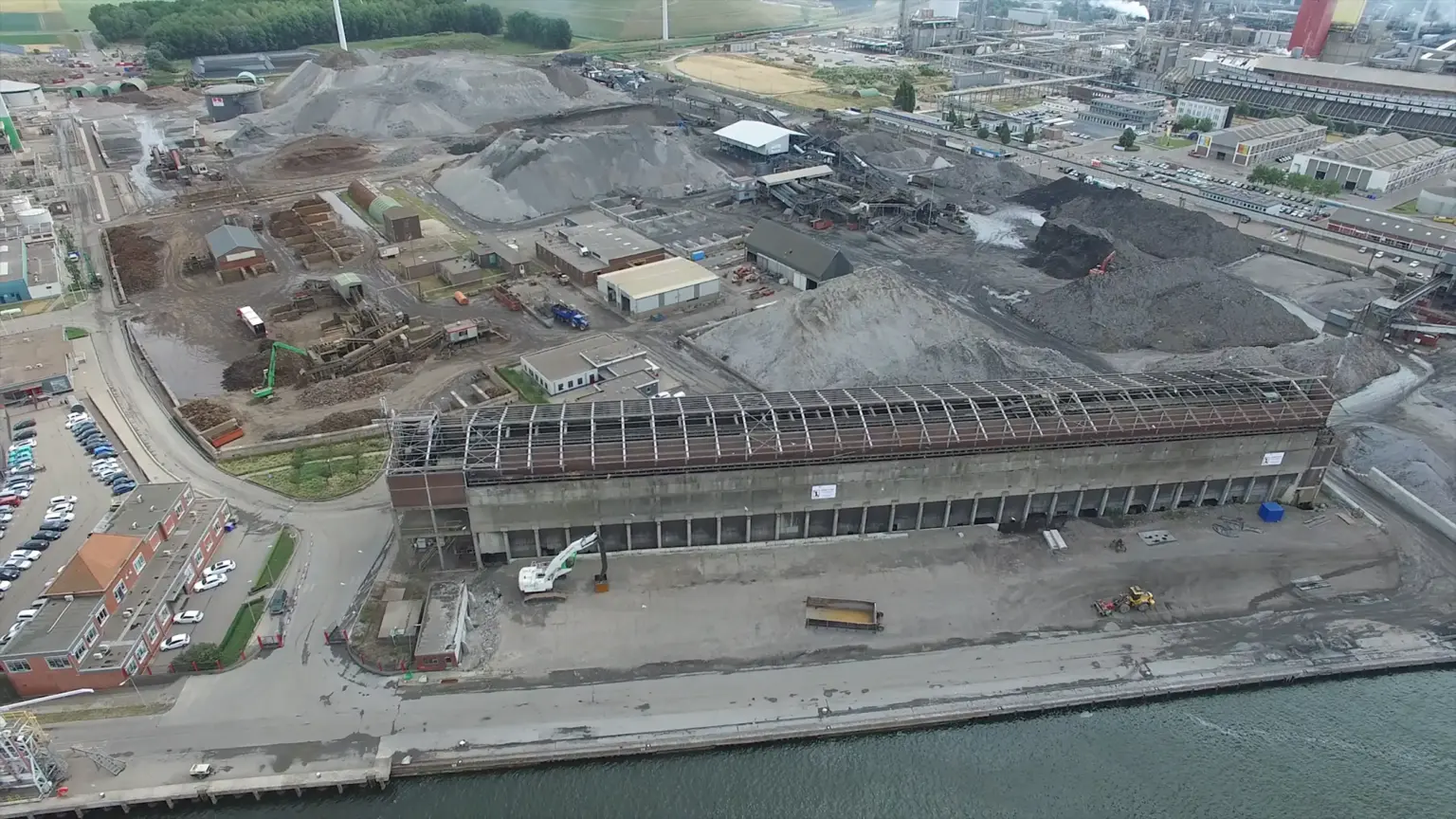
In the processing of waste incineration slag, the recycling screen serves as the primary classification stage for mineral and metal-bearing fractions. Slag, non-ferrous metals, and residual materials are separated into the required particle sizes, thereby enabling efficient processing of the slag. Typical grading is done, for example, into size fractions such as 0–60 mm and > 60 mm. The 0–60 mm fractions are then further graded into smaller fractions using SPALECK tension-shaft screening machines. This creates ideal conditions for downstream sorting technology, such as eddy current separators, sensor sorters, and combination sorters.
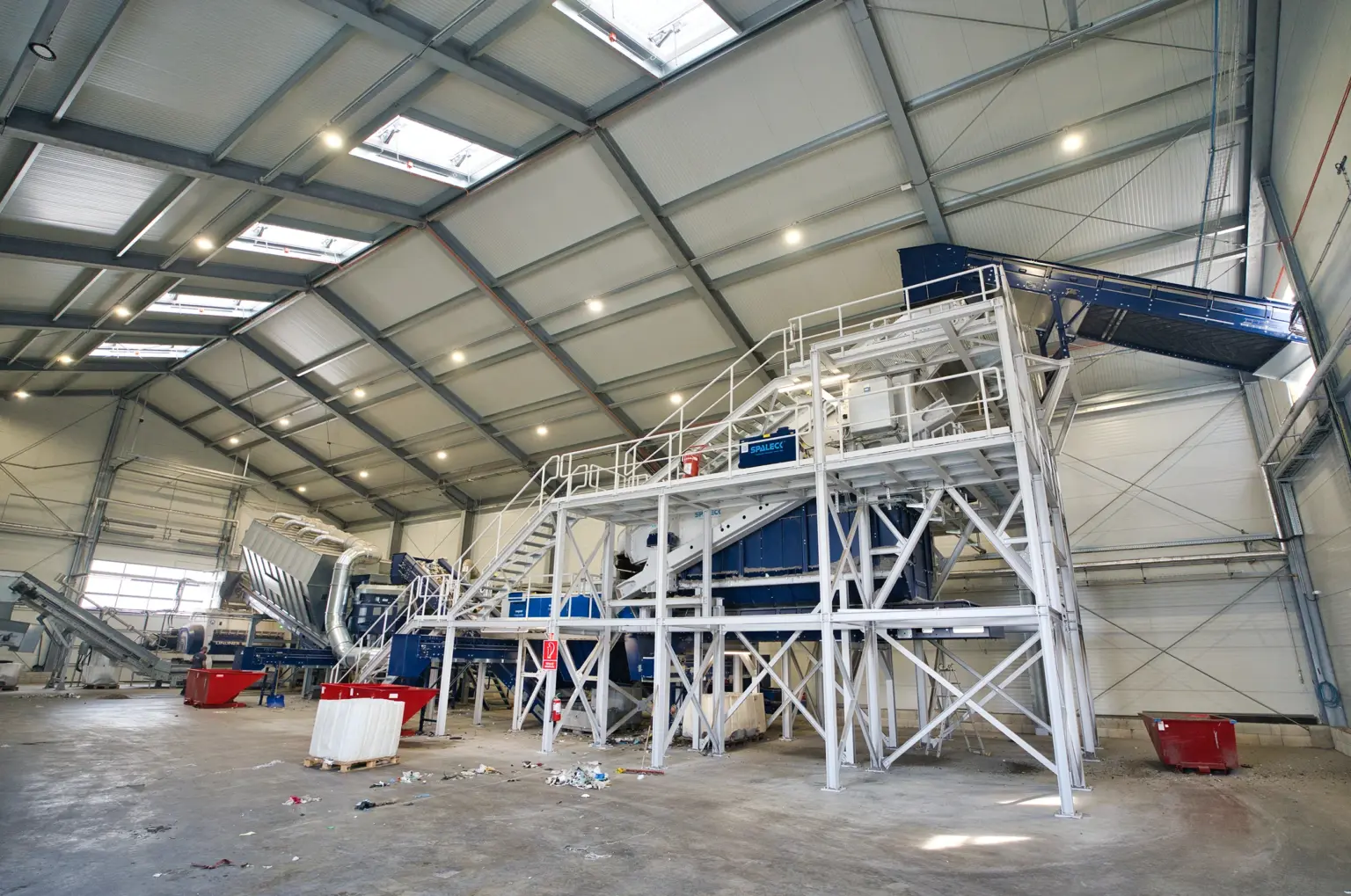
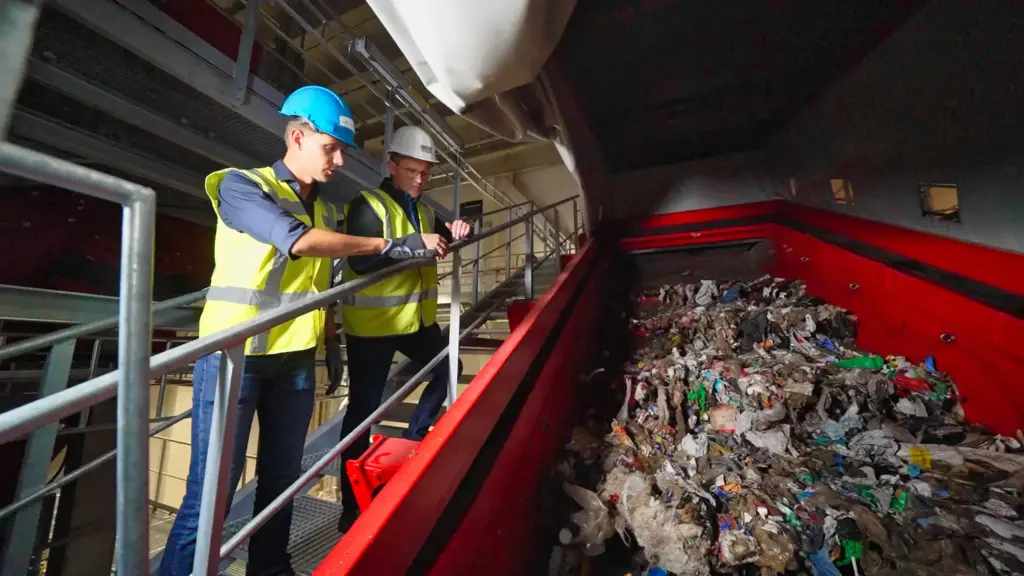
For mixed packaging waste, the recycling screen ensures a clean separation into coarse and medium fractions. Lightweight packaging, films, plastics, and composites are sorted and classified consistently. The resulting fractions allow for significantly more efficient further processing. NIR sorters and sensor-based sorting machines ensure that the material maintains monolayer quality across the entire feed width of the sorting machine.
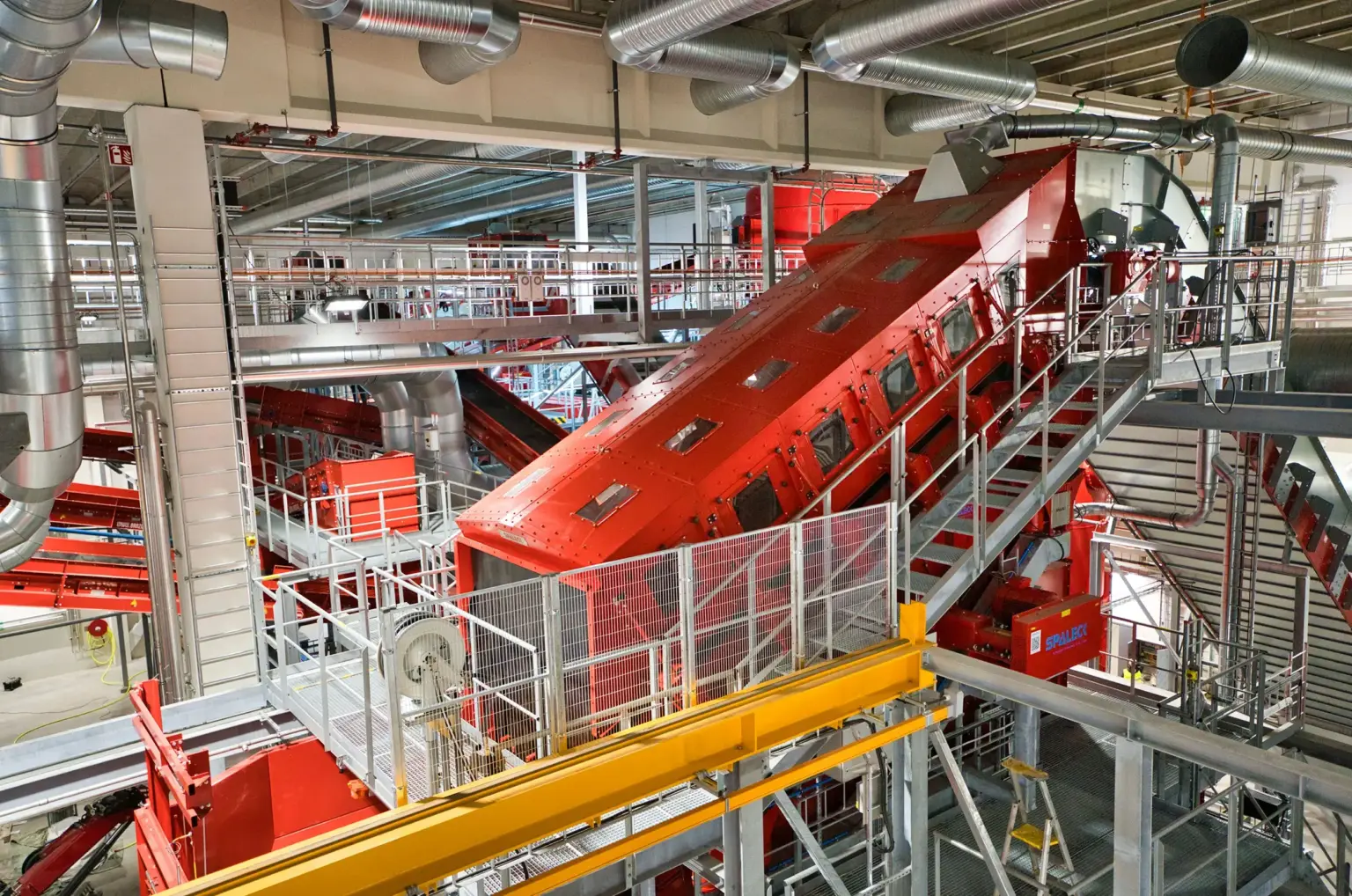
In municipal solid waste processing, the recycling screen plays a key role in sorting the incoming material. Mixed waste streams are separated into specific size ranges, allowing downstream sorting systems to operate more efficiently. Typical cut lengths range from 20–60 mm, 60–120 mm, 120–250 mm, and >250 mm. In large facilities, multiple recycling screens are often combined to enable even more thorough separation and sorting.
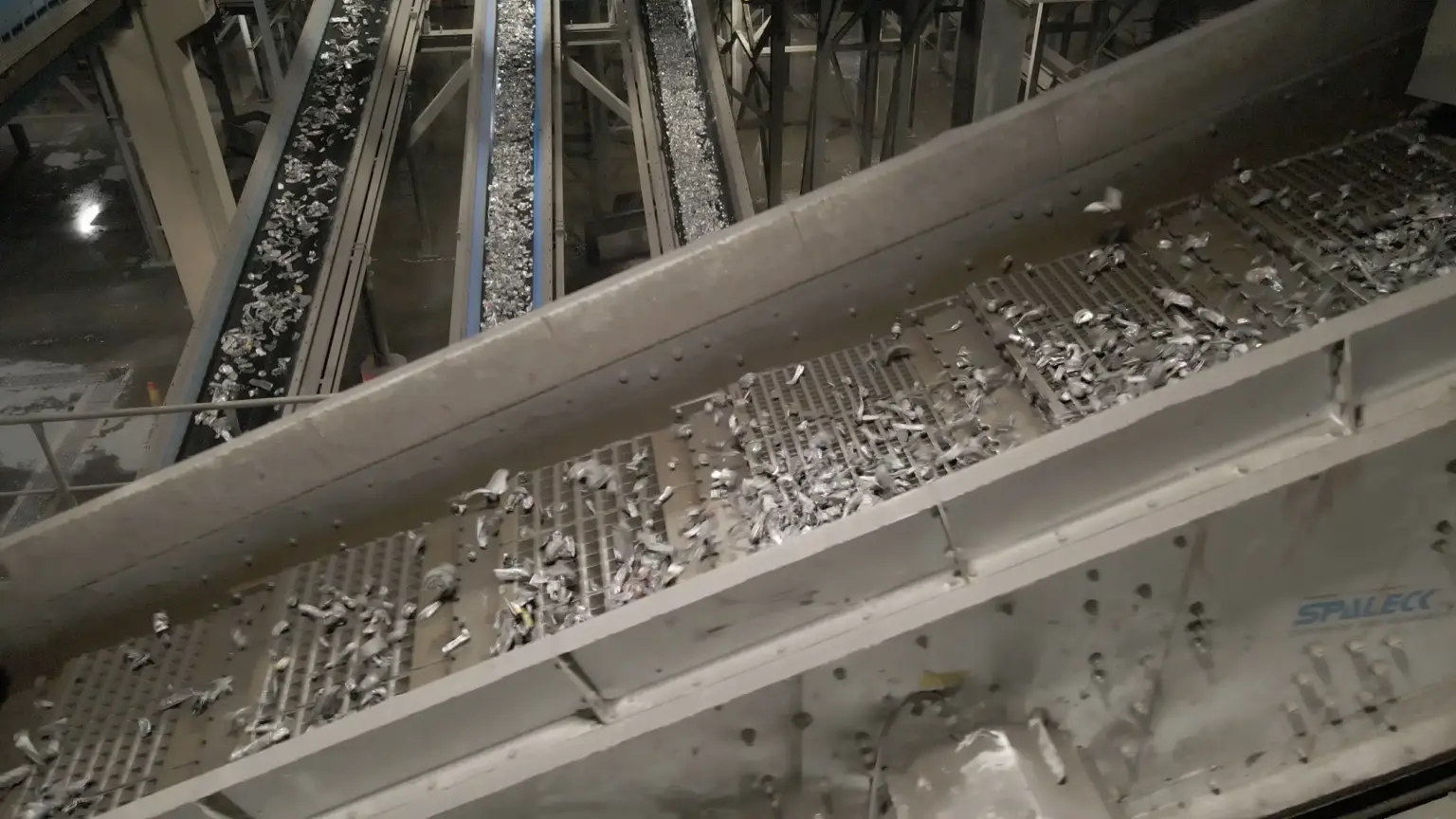
In metal recycling, the recycling screen is used to separate complex feed materials into precisely defined particle size classes. Auto shredder residue, light and heavy shredder fractions, and electronic scrap are efficiently sorted. Thanks to the three-dimensional screening performed by SPALECK screening machines, the resulting fractions are virtually free of long particles, thereby significantly increasing the efficiency of downstream sorting processes. Metal-containing components can be separated more effectively, and recyclable materials can be recovered more efficiently. The best results are achieved using ActiveFEED feeding technology.
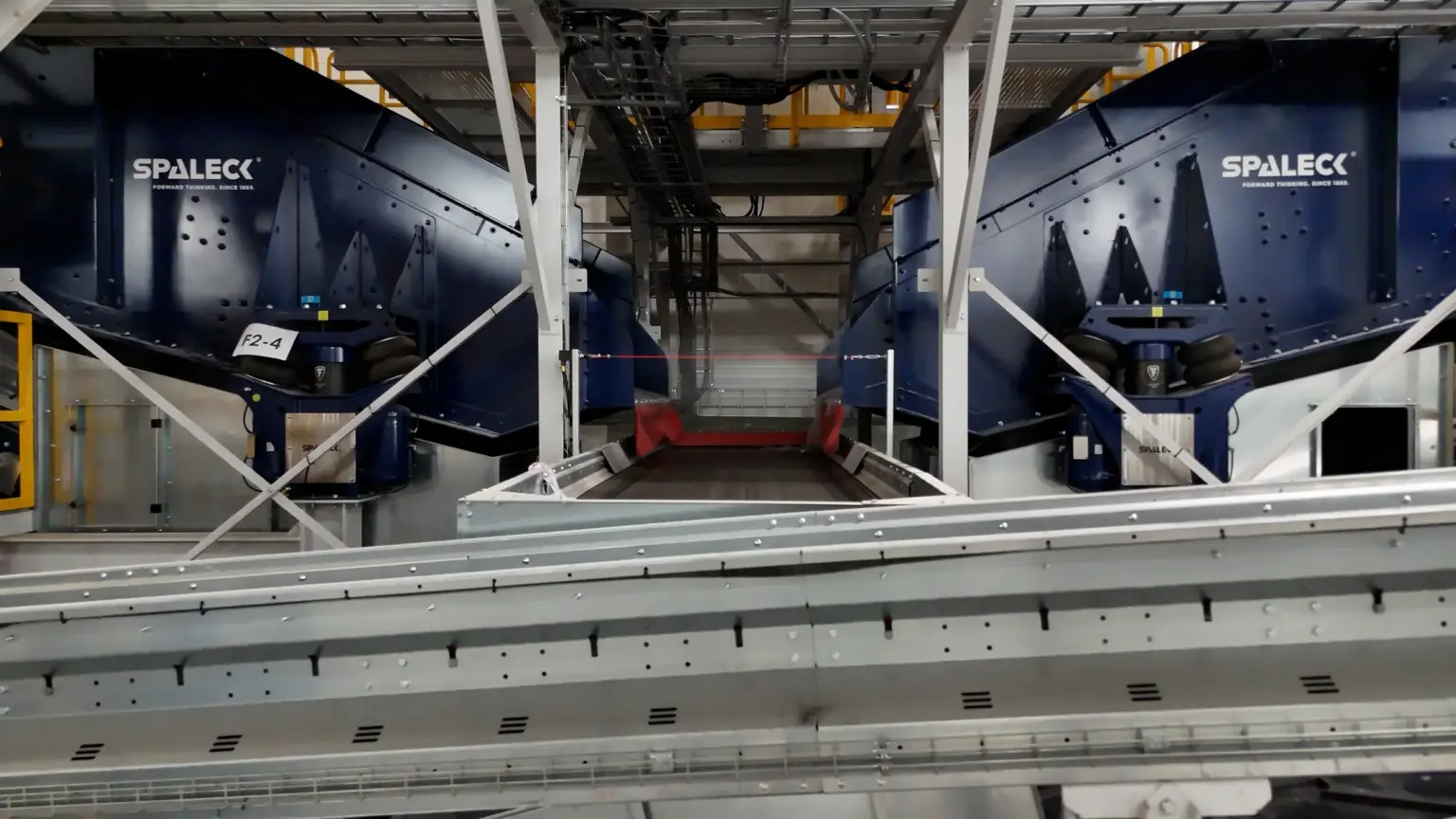
In plastic recycling plants, the recycling screen ensures uniform sorting of mixed plastic streams. Components of different sizes, film fragments, and rigid plastics are separated into defined fractions. The screening machine is configured so that the material remains on the screen deck for an optimal amount of time, thereby further improving the quality of the sorting process.
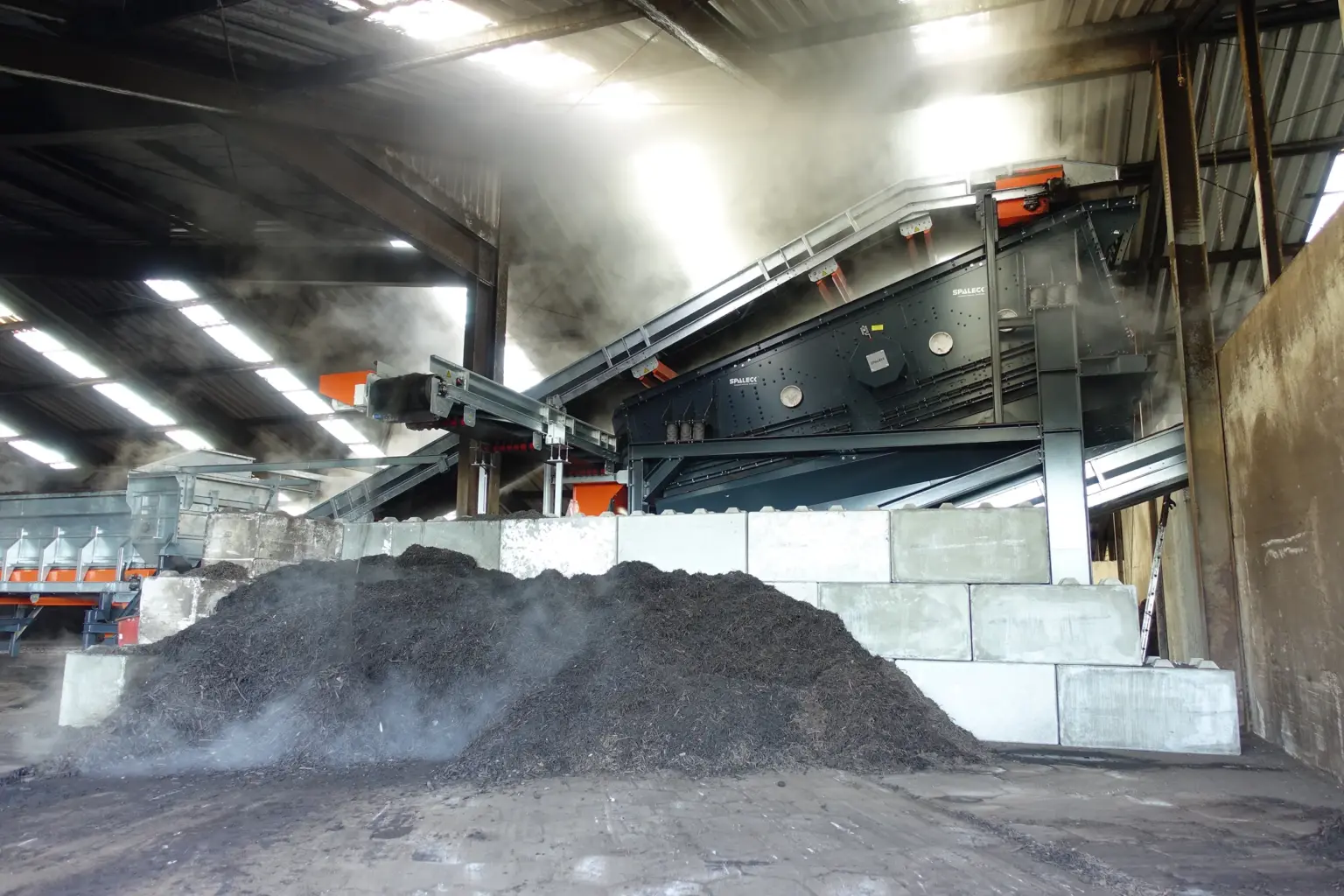
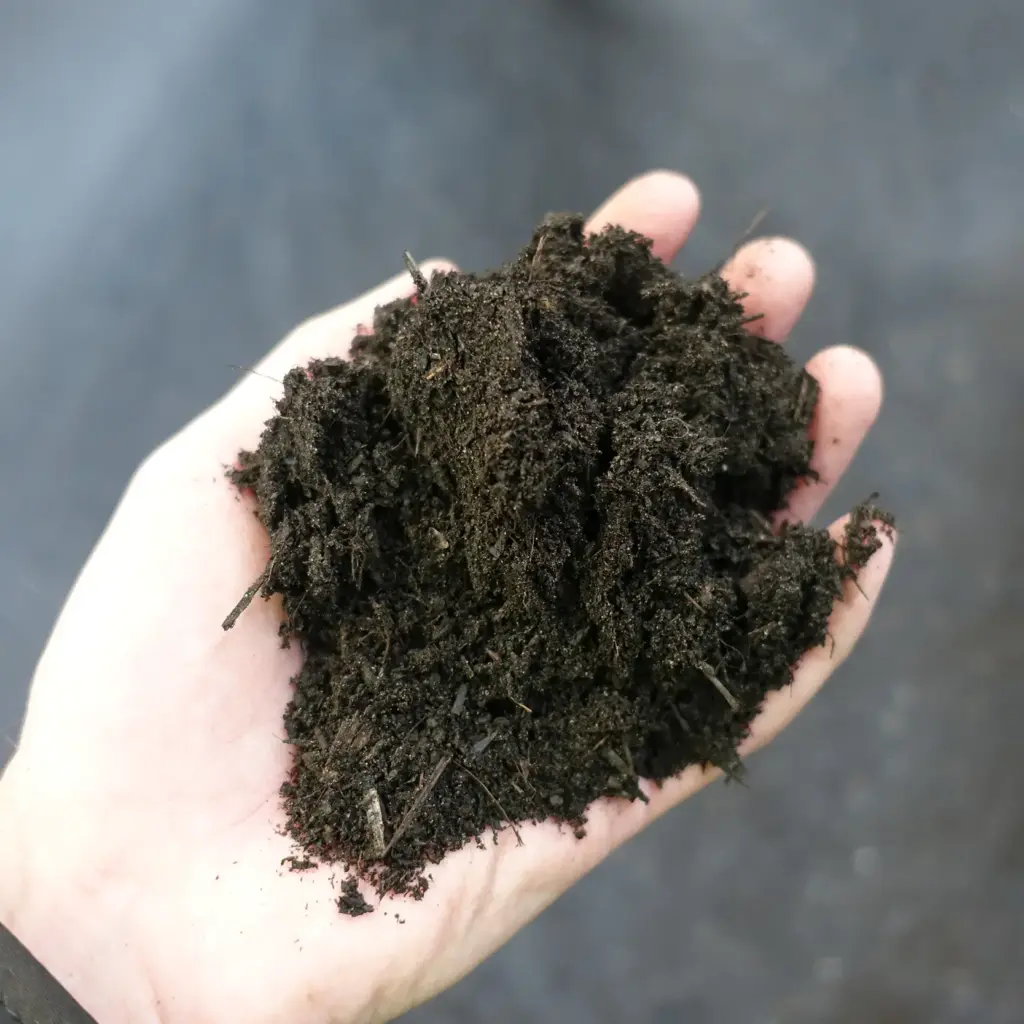
For organic material streams such as food waste or compost, the screening machine is used for coarse sorting and separating the material. Larger components are reliably separated and prepared for downstream processes. Consistent fractionation facilitates further processing and ensures better process control throughout the plant. In practice, Flio-Flow screening is often used in conjunction with SPALECK tensioned-shaft cassettes, for example, when handling very moist and sticky material. Alternatively, SPALECK AutoCLEAN screening technology is used here.
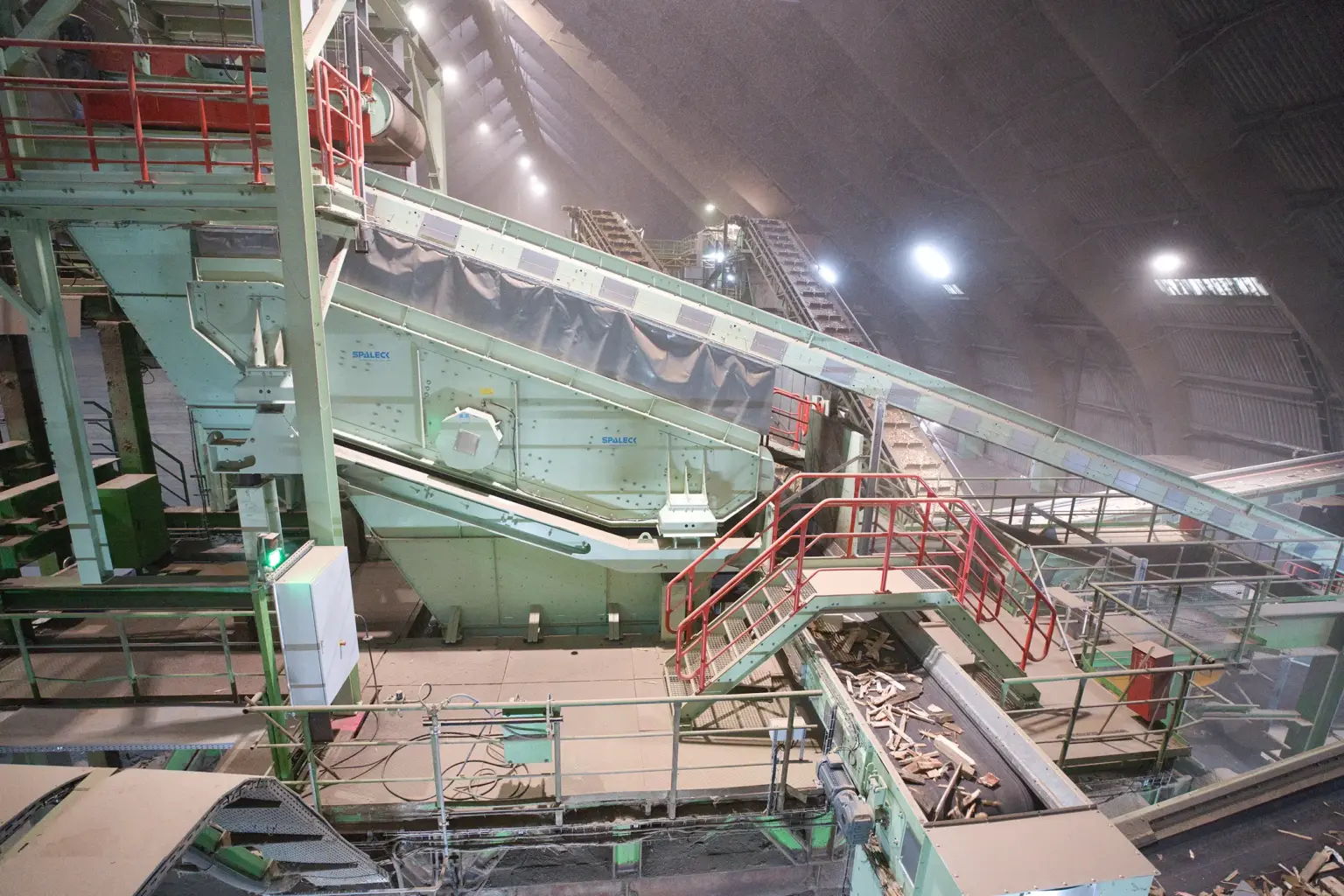
During the processing of waste wood, the recycling screen reliably separates different particle sizes from one another. Pieces of wood, foreign matter, and debris are sorted into specific categories. The recycling screen operates with virtually no need for cleaning. Accurate sorting is important so that, for example, only material of the optimal size can be fed into downstream energy recovery processes. This increases the overall efficiency of processing and recycling.
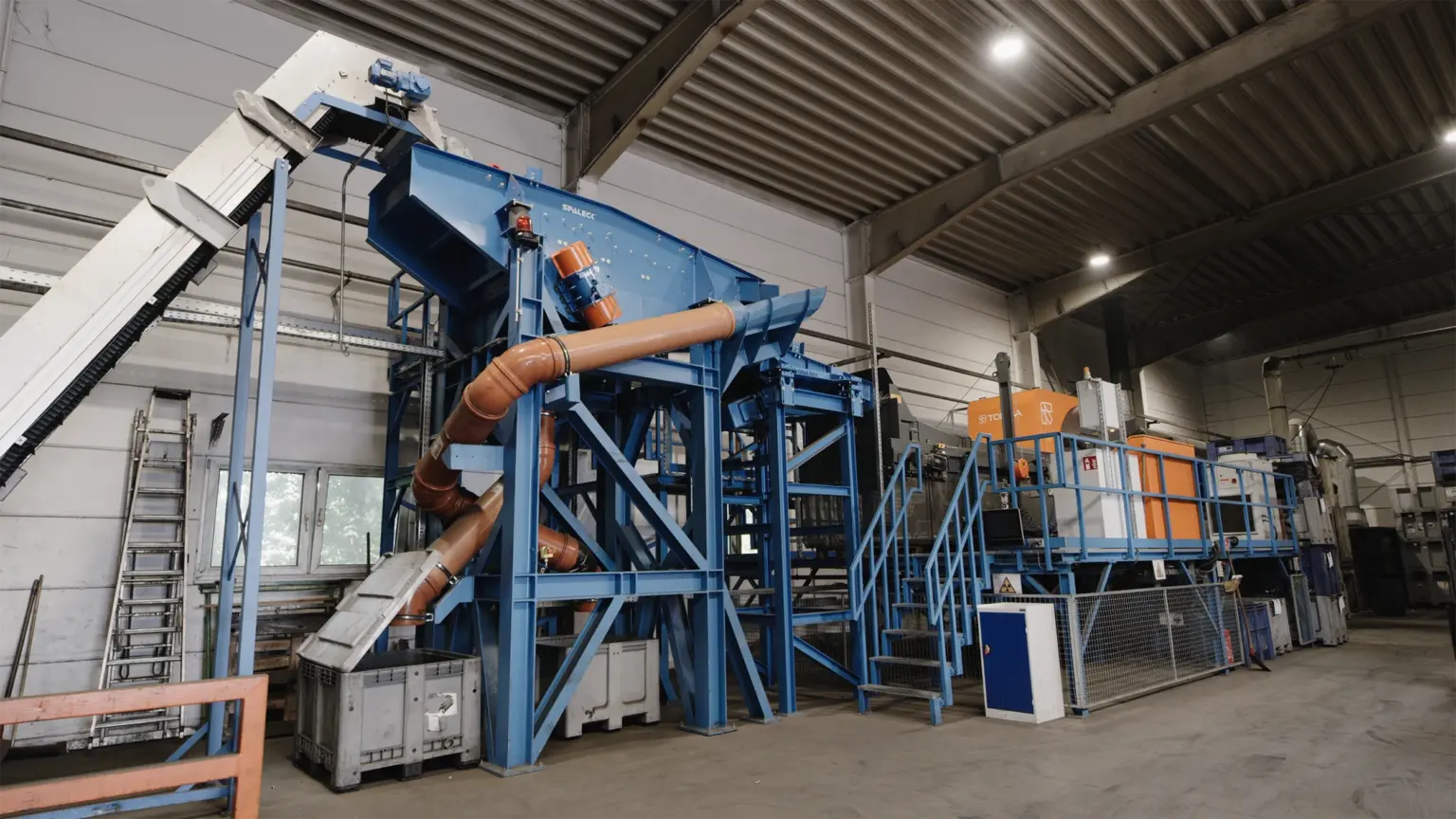
SPALECK recycling screens are also available specifically for sorting used batteries and rechargeable batteries. Here, they not only sort the batteries by size, but also reliably remove contaminants. This lays the groundwork for ensuring that downstream sorting can proceed smoothly and that materials are sorted by type. In the picture, you can see the unit in operation in front of an XRT X-ray sorting machine.

Europe, Africa, the Middle East, North and South America, Asia, or Australia—we’d be happy to show you reference installations featuring SPALECK screening technology for your material.
You are currently viewing a placeholder content from YouTube. To access the actual content, click the button below. Please note that doing so will share data with third-party providers.
More InformationYou are currently viewing a placeholder content from YouTube. To access the actual content, click the button below. Please note that doing so will share data with third-party providers.
More InformationWith a day of testing at the SPALECK TestCenter, you’ll find out what your material is really capable of—and what your new recycling screen can do. Take advantage of this free SPALECK service and benefit from the best screening results for your processing operation.
Put SPALECK technology through its paces. Using your materials and on two state-of-the-art recycling lines. At the TestCenter, we develop solutions for challenging recycling tasks every day—always in collaboration with and for our customers.

Fine Screening for Your Materials

2-in-1: Recycling Screen & Tensioned-Shaft Screen
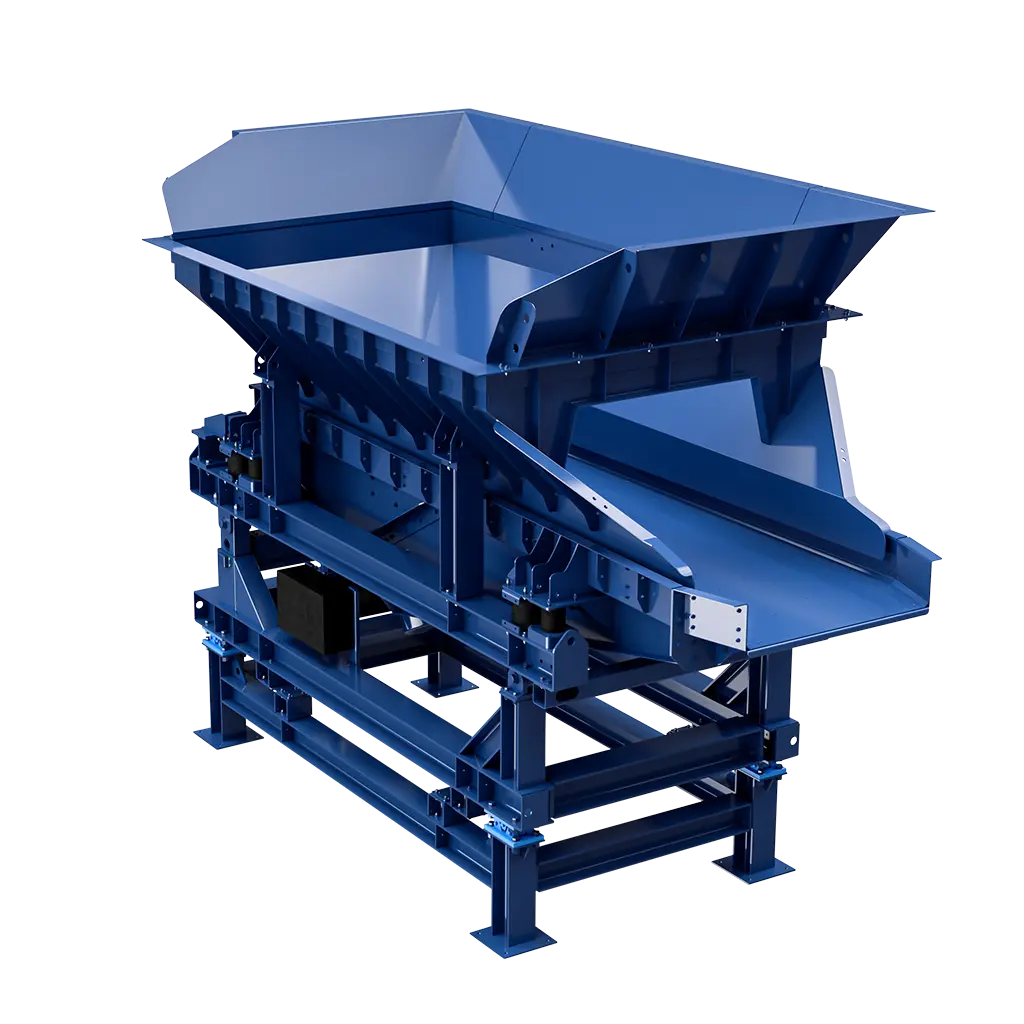
Optimizes the feed for your sorting machines
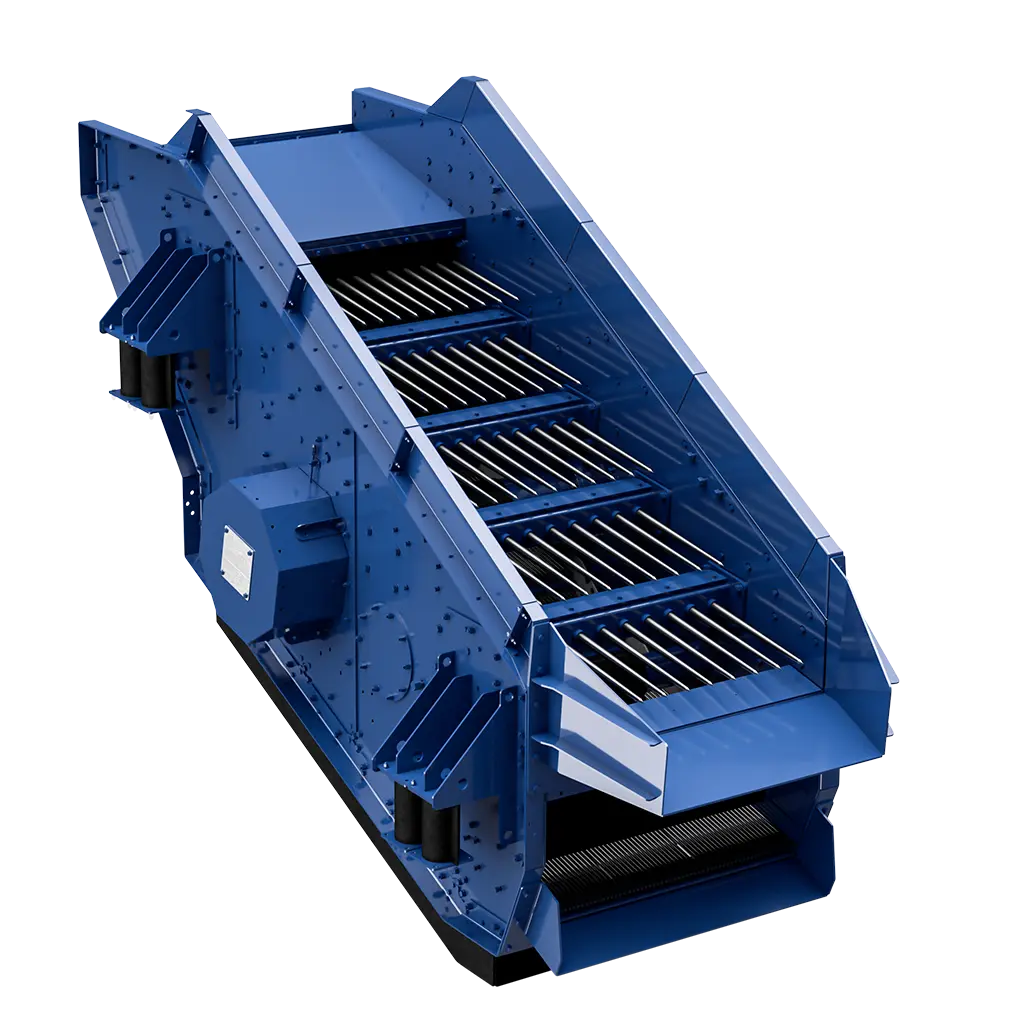
Reliable Coarse Screening & Pre-Separation
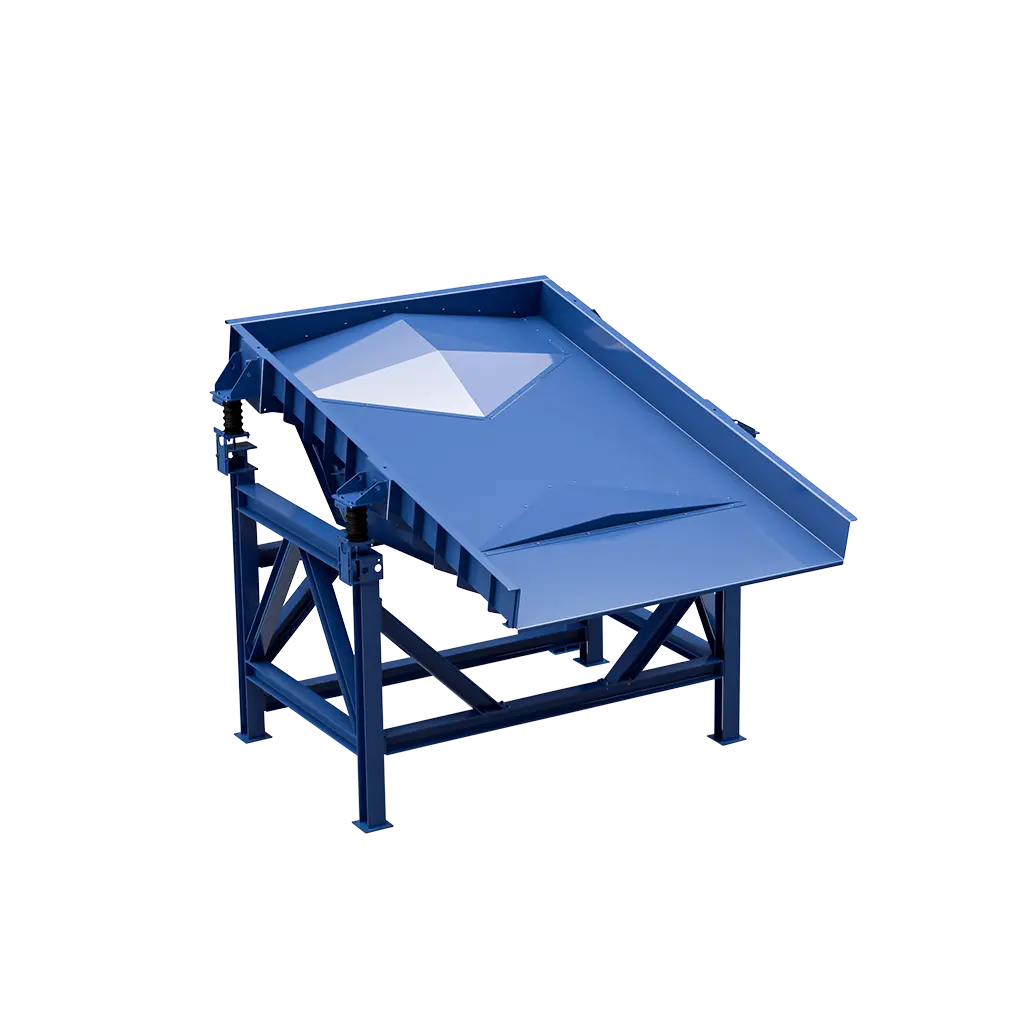
Optimal Material Feed and Distribution
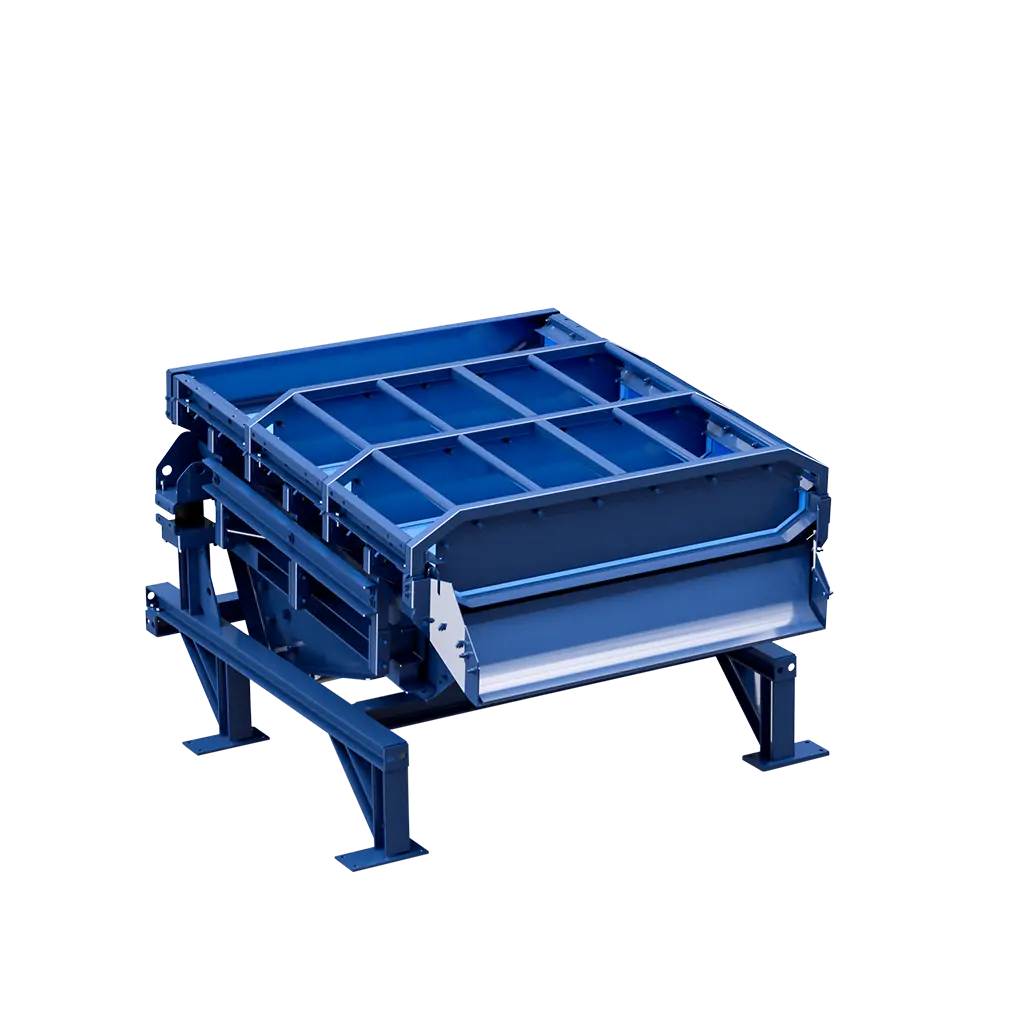
Contaminant-free transport of slag and other materials
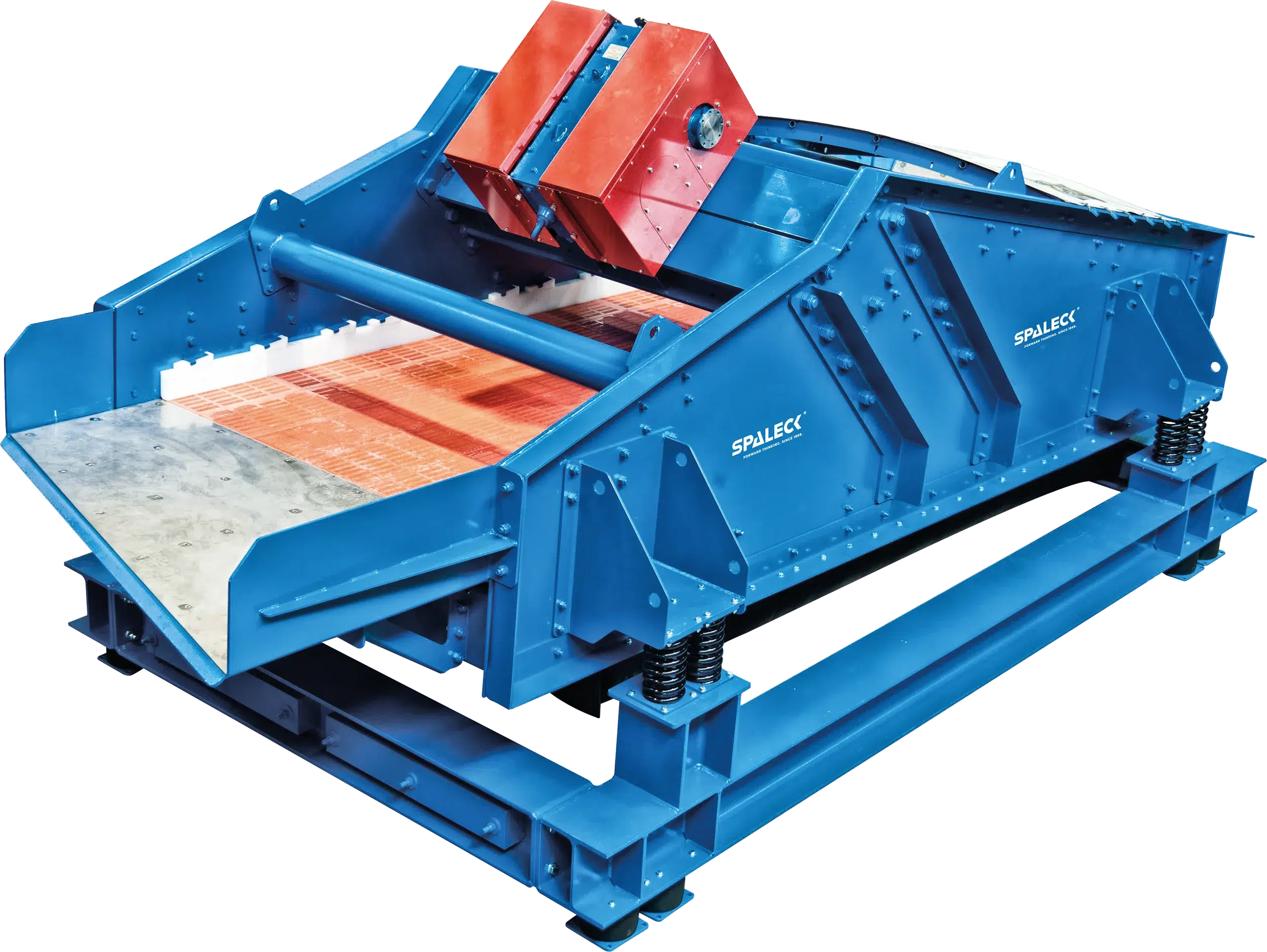
Screens for dewatering material streams

Quickly and easily send an email with the subject line “Interesting screening technology for our new plant” to your colleague, boss, or yourself. Our email template will help you in a matter of seconds. Try it now.
Yes, we would be happy to organize a reference visit for you to one of our customers with a SPALECK Recycling Waste Screens. We can also test your recycling material on our Recycling Waste Screens at our TestCenter. This allows you to experience their screening quality directly with your real material.
The SPALECK Recycling Waste Screens are very flexible and 100% customizable to your material. We work with you to determine the optimum screening machine configuration. Hundreds of configurations are available to you for this purpose. It is also important to note that SPALECK screening machines can be adapted very flexibly and precisely to future material changes or changes in the Recycling process thanks to our ModularDESIGN+ concept.
We will work with you to determine whether the SPALECK Recycling Waste Screen is the optimum screening technology for your recycling application. Our screening machine experts are on hand to help you with this. We also offer you the option of using our TestCenter to select the right screen and the optimum screening machine configuration. This service is of course free of charge.
The SPALECK Recycling Waste Screens are designed for processing all types of recyclables and waste – it can therefore also be referred to as a waste screen.
As a recycling company, you can of course buy our Recycling Waste Screens and all our other Conveying & Separation Technology directly from us. If you would prefer to buy it through a Plant engineering company, system integrator or dealer, this is of course also possible.
Leading processors around the world rely on the SPALECK Recycling Waste Screens because they offer recycling companies optimum screening quality, performance and reliability. This means you are on the safe side even with the most difficult materials.
SPALECK Recycling Waste Screens offer you maximum screening areas for optimum screening grades and high Throughput. We design and build our screening machines so that you can recycle optimally and earn money. SPALECK Recycling Waste Screens offer you the largest possible open screening areas. This allows you to achieve the highest possible Screening capacities with maximum screening quality. You can see how this works in our videos.
Installing a SPALECK Recycling Waste Screens in your recycling plants is easy. What’s more, the Recycling Waste Screen offers absolutely reliable operation. As a Screening machine manufacturer, we know what counts for you: Screening capacity, screen quality and absolute reliability when screening and processing your recycling materials. Our Recycling Waste Screens meet these requirements: Efficient and reliable. They are also very easy to integrate into your recycling concept, for example. We would be happy to advise you on this.
You are currently viewing a placeholder content from Vimeo. To access the actual content, click the button below. Please note that doing so will share data with third-party providers.
More InformationYou are currently viewing a placeholder content from YouTube. To access the actual content, click the button below. Please note that doing so will share data with third-party providers.
More InformationYou need to load content from reCAPTCHA to submit the form. Please note that doing so will share data with third-party providers.

More Information