


Volume Reduction in Industrial Water Treatment
Sludge dewatering is a key factor in industrial wastewater treatment for sustainably reducing operating costs and optimizing disposal. The goal is to reduce the water content in the sludge as much as possible, thereby significantly reducing its final volume and minimizing transportation and landfill costs for the resulting filter cake.
Efficient sludge dewatering is much more than just a technical intermediate step in wastewater treatment—it is a direct driver of process optimization. By systematically separating solids from liquids, our systems transform costly external disposal into a streamlined, resource-efficient process. Take advantage of a solution that combines cost savings with environmental responsibility and maximum operational reliability:
Less volume, more budget. By maximizing dewatering, you can reduce the sludge volume to a minimum. The result is immediate and significant savings on transportation and disposal fees—day after day.
From wastewater to raw material. Our systems separate solids so thoroughly that the resulting filtrate can be fed directly back into your production cycle for reuse or discharged without any issues. You’ll reduce your fresh water consumption and become independent of rising water prices.
Easily meet the strictest environmental regulations and landfill requirements. With process-stable technology, you can protect your operations against regulatory risks and ensure complete documentation of your waste disposal processes.
Minimize your carbon footprint by significantly reducing logistics costs and using resources responsibly. This will help you strengthen your image as an environmentally conscious company and meet modern ESG criteria.
Sludge dewatering is the crucial link in the chain for transforming the contaminants removed from wastewater into a manageable form. While pretreatment binds or precipitates contaminants, our processes ensure the necessary volume reduction and safe transport. Discover how we prepare various types of waste for final disposal:
Every process leaves a signature in the wastewater. Whether dealing with complex mixtures or sewage sludge, understanding their composition is the first step toward separating out the solids.
Before sludge dewatering takes effect, microplastics and very fine suspended solids are often bound together into larger units in the wastewater through flocculation processes. Our systems process these materials and compress them into a highly compacted filter cake. This prevents plastic particles and solids from being released into the environment in an uncontrolled manner, while also minimizing the volume of waste.
To remove dissolved heavy metals such as copper, nickel, or chromium, the first step is to precipitate them using chemical and physical methods and convert them into insoluble metal hydroxides. The subsequent dewatering process ensures minimal disposal costs: It transforms the resulting sludge into a solid, landfill-ready form, safely binds the pollutants, and produces a clear filtrate for reuse.
PFAS and pharmaceutical residues are dissolved in water and cannot be detected by mechanical means. The first step is to adsorb them onto special media such as ion exchangers. Our dewatering systems are designed to compact these highly loaded carrier media to an extremely high degree. Since waste containing PFAS usually has to be incinerated at high cost, the high dry matter content of our systems leads to a significant reduction in your disposal costs.
During pretreatment, iron and manganese are converted into solid particles through oxidation, which often gives the water a cloudy appearance. Our sludge dewatering systems efficiently separate these mineral residues. What remains is clean water and a dry mineral residue, which is often easier to dispose of.
In wastewater treatment, high levels of organic matter are broken down by microorganisms during biological treatment stages, resulting in the production of sewage sludge. This biological sludge is naturally high in water content and difficult to dewater. Our filtration process highly effectively separates the bound water from the solids. This drastically reduces the volume and enormous mass of the sewage sludge, frees up your storage capacity, and minimizes the subsequent transportation and disposal costs.
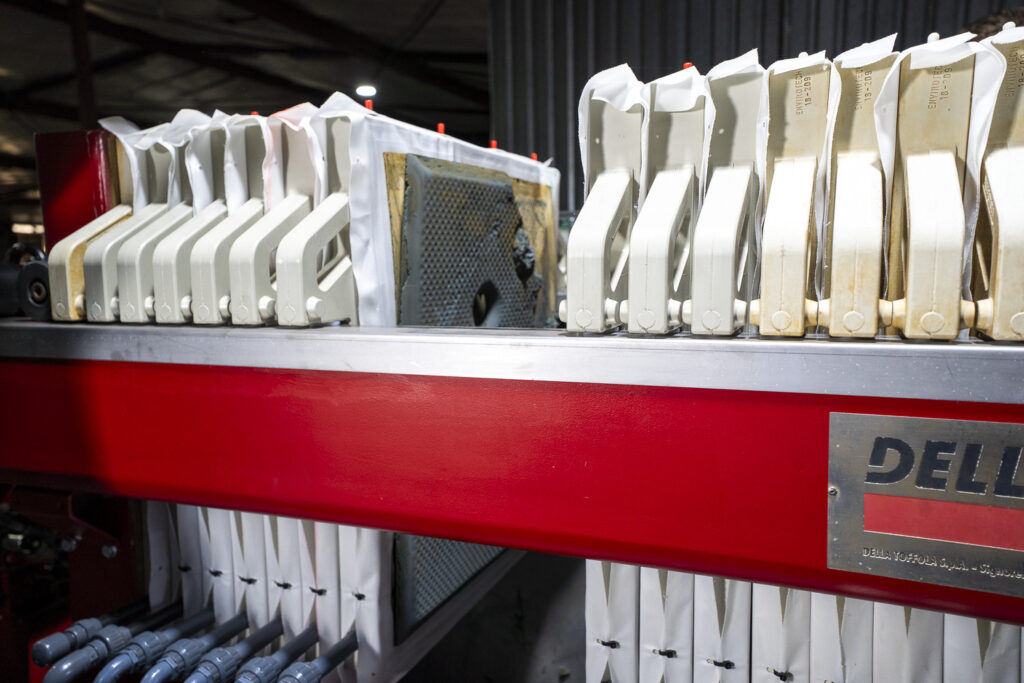
For wastewater with high levels of pigments and solids, we rely on a highly efficient chemical-physical precipitation process. The optimally pre-flocculated particles are then mechanically pressed in a chamber filter press. This carefully designed combination ensures maximum dewatering, produces clear effluent, and reduces the volume of sludge to be disposed of to a minimum.
The process of transforming the liquid suspension into a compact filter cake follows a clear, technologically optimized sequence. Each step is designed to maximize separation efficiency and minimize your operating costs.
In the first step, the sludge is optimally prepared for separation. Through a targeted chemical-physical precipitation and conditioning process, the fine particles are first rendered chemically unstable. Special flocculants are then added, which cause these very fine solids to aggregate into larger, mechanically stable flocs.
The benefit for you: The physical properties of the sludge are altered in such a way that the water can escape much more easily during the subsequent filtration process. This maximizes the degree of dewatering and significantly reduces your disposal costs.
Before high pressure is applied, the sludge is mechanically pre-dewatered—often by gravity or using filter elements. During this phase, most of the free water is removed without requiring much energy.
The benefit for you: The sludge volume is significantly reduced at this stage, which greatly increases the efficiency of the subsequent pressing stage.
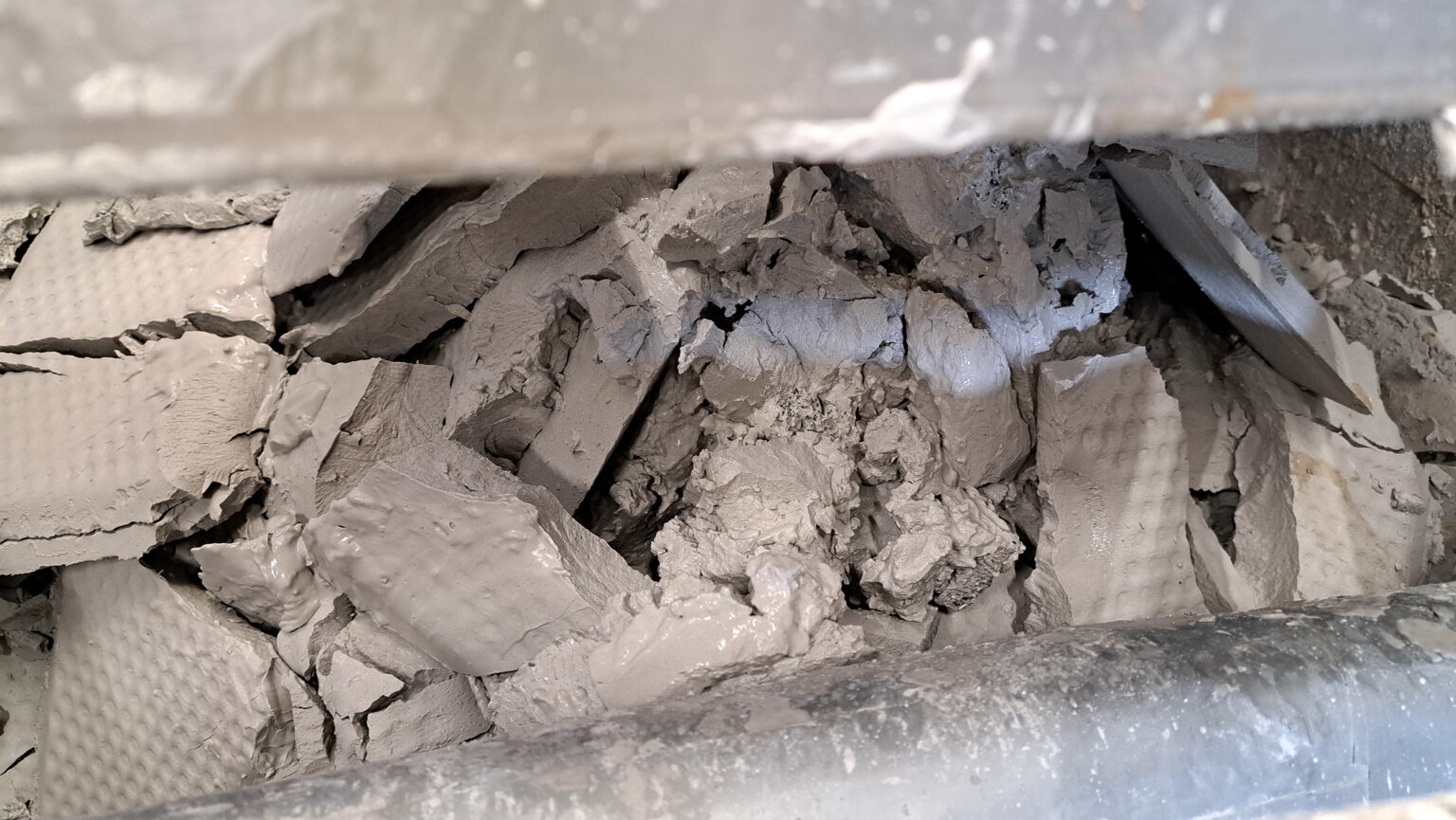
Mechanical pressure is applied in the final step of sludge dewatering. During this process, the capillary water is squeezed out of the flakes until the desired dry matter content is achieved.
The benefit for you: This results in a solid filter cake that takes up minimal space and is ready for immediate removal or thermal recovery.
Our wastewater treatment systems are technologically versatile solutions that reliably compact a wide variety of residues. Depending on the industry and your specific requirements, we achieve exactly the level of dewatering you need—from efficient volume reduction to cost savings, all the way to maximum drying for thermal reuse. We make your sludge management efficient, predictable, and cost-effective.
The treatment of cooling and cleaning water continuously produces residues that can put a strain on your infrastructure. After chemical-physical precipitation, our dewatering systems immediately concentrate these precipitated solids and hardness-forming substances into a compact volume. This ensures the smooth removal of waste materials, prevents clogging in your waste disposal systems, and significantly reduces your operating costs.
In modern industry, the recycling of process water is a key competitive advantage. Our dewatering systems separate solids so efficiently after chemical-physical precipitation that clean filtrate can flow directly back into the cycle for reuse. By continuously reducing the amount of sludge, we minimize your disposal costs, ensure process stability, and significantly lower your fresh water costs.
Spaleck Wassertechnik GmbH
6 Robert-Bosch Street
46397 Bocholt
Phone: +49 2871 2134 – 0
E-mail: info@spaleck.de
Sludge dewatering is the technological solution to the increasing waste disposal requirements of a wide variety of industries. Whether in the food industry, metal processing, or the chemical industry: Our wastewater treatment systems compact separated residues directly at the point of origin. This allows us to achieve a reduction in volume that goes far beyond simple settling tanks and is precisely tailored to your industrial waste disposal standards.

In metal processing, the management of sludge generated during production is a critical cost factor. Our drainage systems minimize the concentration of separated metal particles and heavy metals. This not only ensures compliance with strict wastewater limits in accordance with the law, but also enables the efficient recovery of valuable raw materials while keeping disposal and logistics costs to a minimum.
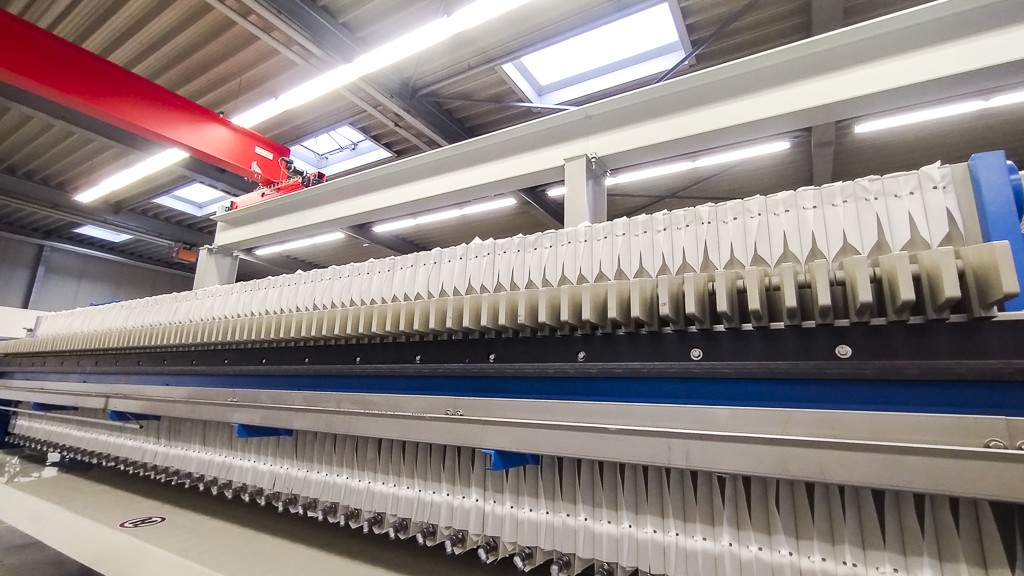
Food production generates water-rich organic residues that pose significant challenges for disposal. Our systems are designed to compact these sludges quickly and hygienically. By drastically reducing volume, we minimize your waste disposal frequency and costs, while the thorough separation of water helps ensure compliance with your high standards for operational hygiene.
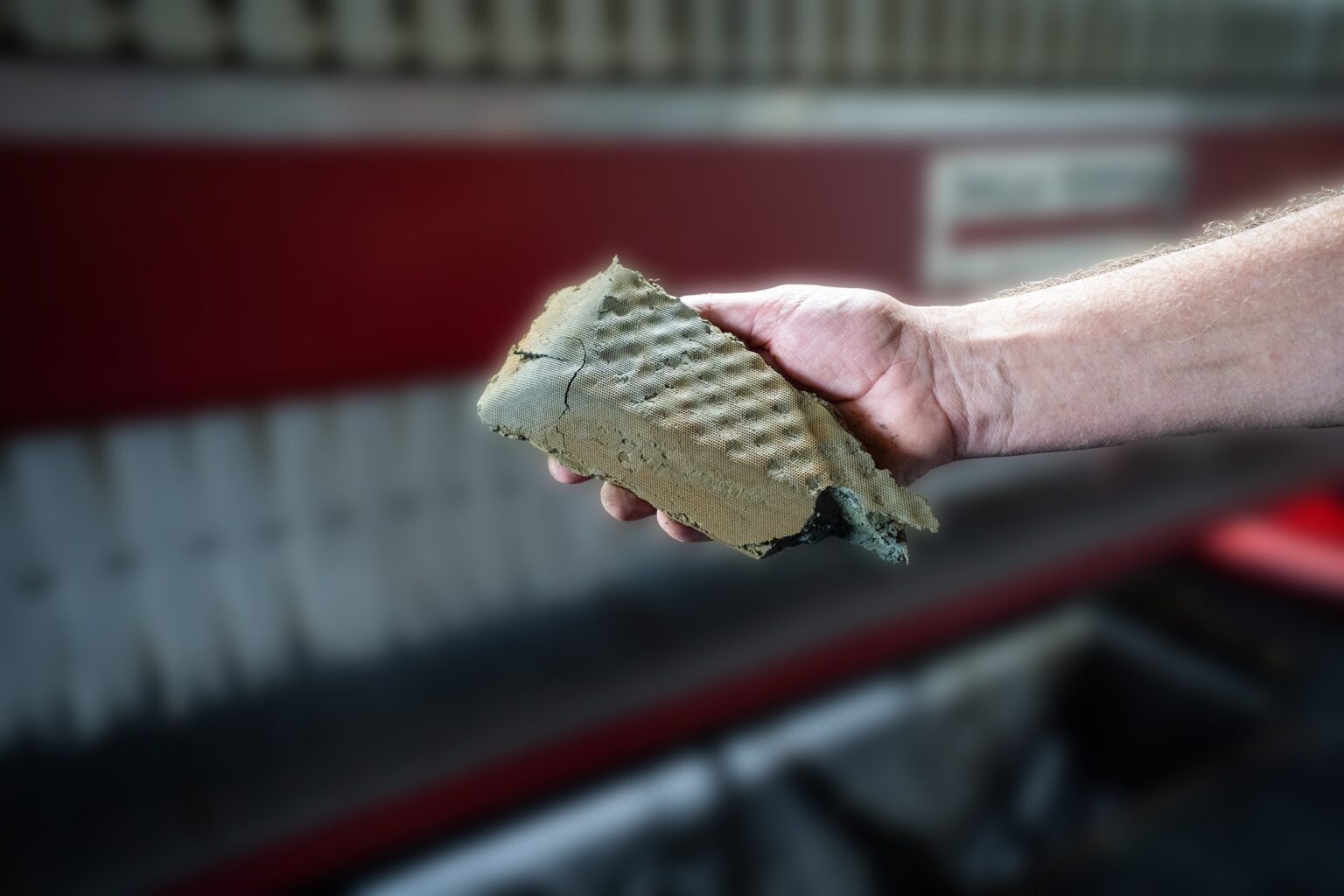
The production of paints and coatings generates complex residues that often contain valuable raw materials or result in high disposal costs. Our dewatering systems precisely separate pigments and solids from the process water and compact them into a solid mass. This significantly reduces the logistical effort involved in recycling your waste materials.
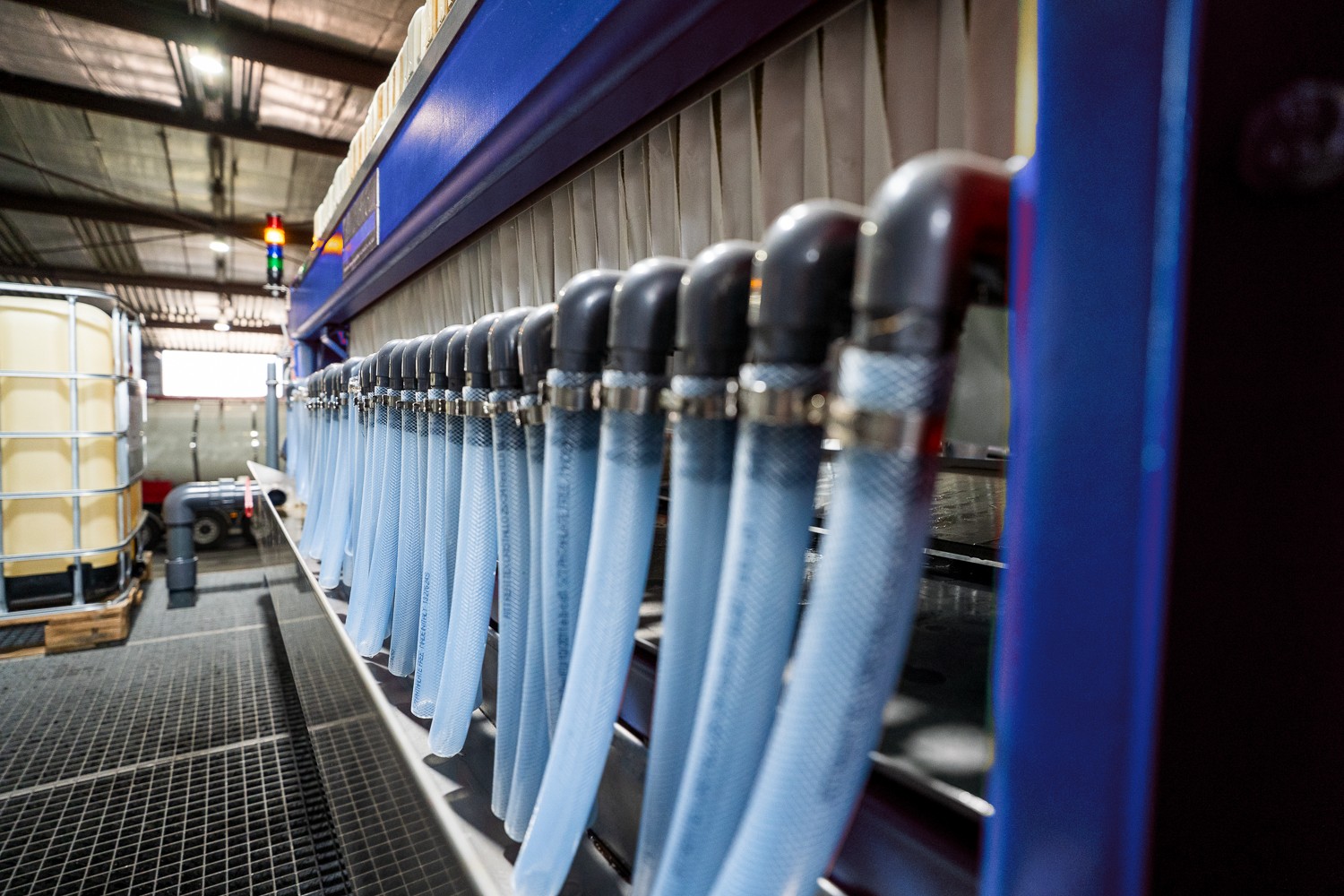
Chemical production often generates difficult-to-handle slurries, the volume of which is a significant cost factor. Our processes are designed to reliably compact even chemically complex residues. By drastically reducing volume, we significantly lower your waste disposal and logistics costs and deliver a clear filtrate that enhances the efficiency of your downstream processes and purification procedures.
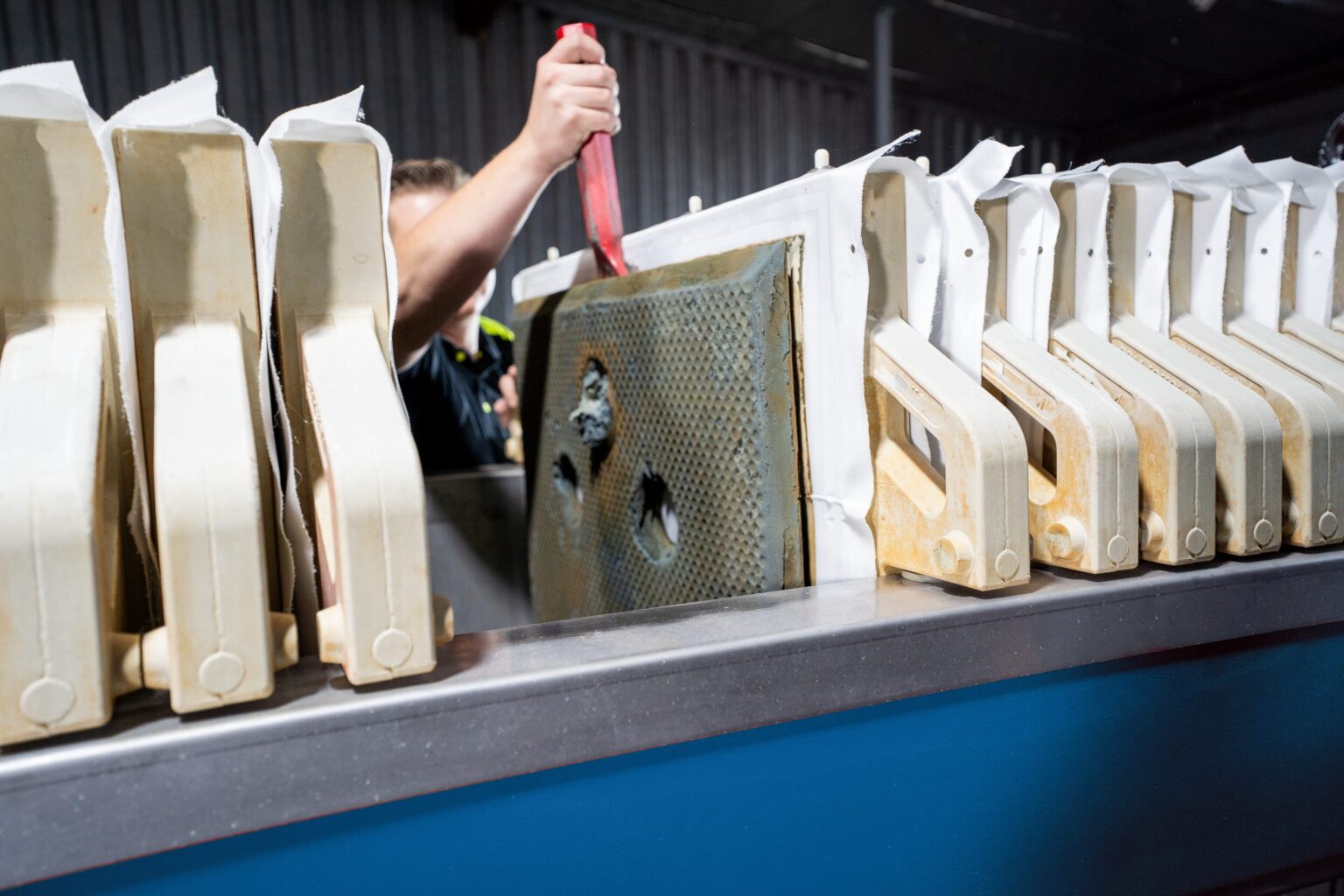
Paper production generates enormous amounts of water-rich sludge and solid waste. Our sludge dewatering systems are specifically designed to compact these fiber residues and process byproducts with high efficiency. By maximizing the separation of water and solids, we drastically reduce the volume of sludge. This frees up your internal storage capacity and significantly reduces your transportation and disposal costs.
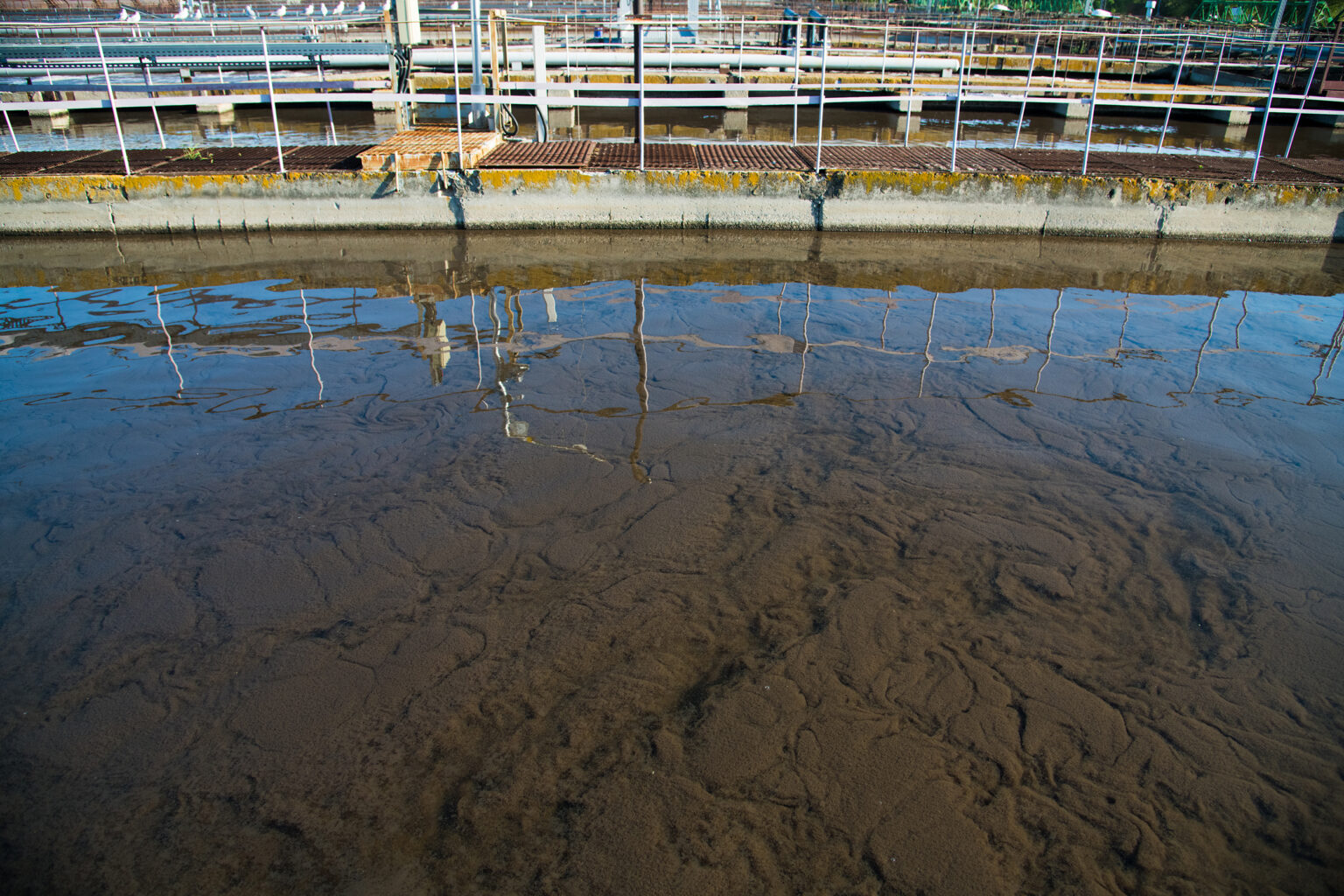
Every industrial process produces residues with their own unique physical and chemical properties. We configure our dewatering systems precisely for your specific application—whether as a compact unit for smaller batches or as a highly automated large-scale plant for continuous material flows. We remove precisely the solids that are weighing down your process or your bottom line, thereby laying the technological foundation for a radical reduction in disposal costs and sustainable, clean production.

If you have any questions about SPALECK water technology, our experts will be happy to assist you.
Here are some questions about sludge dewatering using SPALECK water technology. If you have any further questions, please feel free to contact us.
Yes, by combining fine filtration, membrane technology and ion exchange, we can produce water qualities that enable almost 100% reuse in your production process. This protects the environment and makes you independent of rising fresh water prices.
The dewatered filter cake is puncture-resistant and transportable. Depending on its composition, it can be thermally recycled, landfilled or in some cases even recovered as fertilizer or raw material.
By using high-performance filter presses or screw presses, the volume of sludge can be reduced by up to 80 %. For you, this means significantly fewer truck movements and a massive reduction in landfill and disposal costs.
Yes, retrofitting is often the most economical solution. By integrating modern components such as ultrafiltration membranes or efficient sludge dewatering, we can significantly increase the performance and cleaning quality of existing systems without the need for a completely new system.
You are currently viewing a placeholder content from Vimeo. To access the actual content, click the button below. Please note that doing so will share data with third-party providers.
More InformationYou are currently viewing a placeholder content from YouTube. To access the actual content, click the button below. Please note that doing so will share data with third-party providers.
More InformationYou need to load content from reCAPTCHA to submit the form. Please note that doing so will share data with third-party providers.

More Information