













Ensuring Independence - Monitoring Water Quality
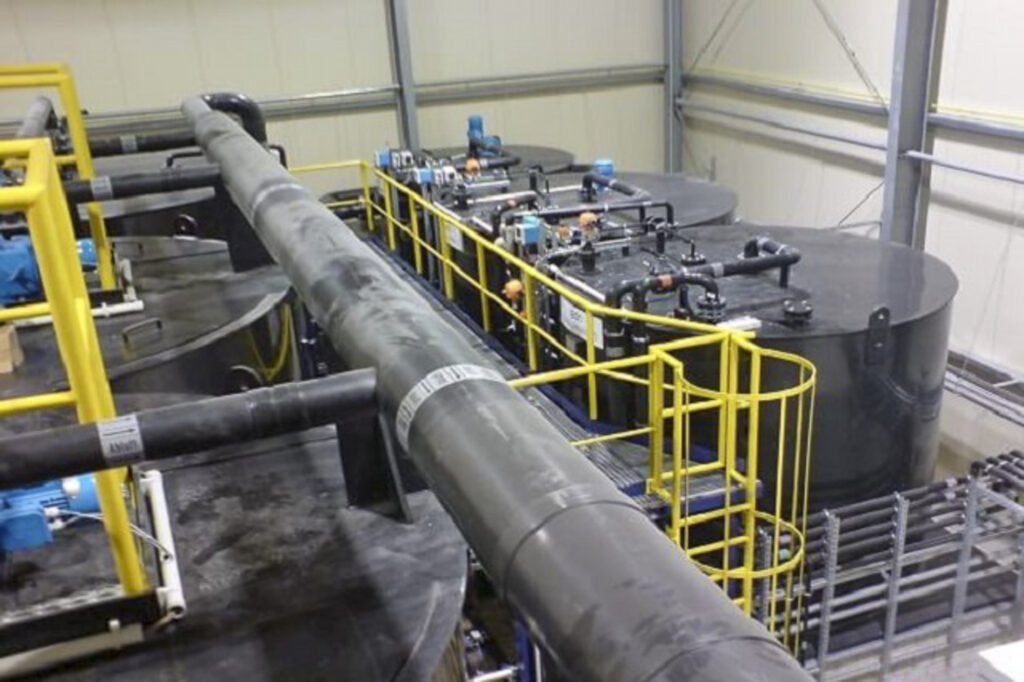
Reliable treatment of raw water and well water is the foundation for smooth industrial operations. We offer customized solutions to precisely treat water of varying qualities to meet your specific needs—in a cost-effective and resource-efficient manner, and in accordance with the highest technical standards.
By treating your own raw and well water, you can save on expensive municipal water bills. With our SPALECK well water treatment systems, you can bring the value added by water treatment right into your own home, thereby permanently reducing your costs per cubic meter.
The water quality provided by the utility company is often subject to fluctuations that can disrupt your processes. With your own water treatment line, you’ll be in full control of your parameters. They ensure that your machines receive exactly the water they need—of consistently top quality—through precise filtration systems.
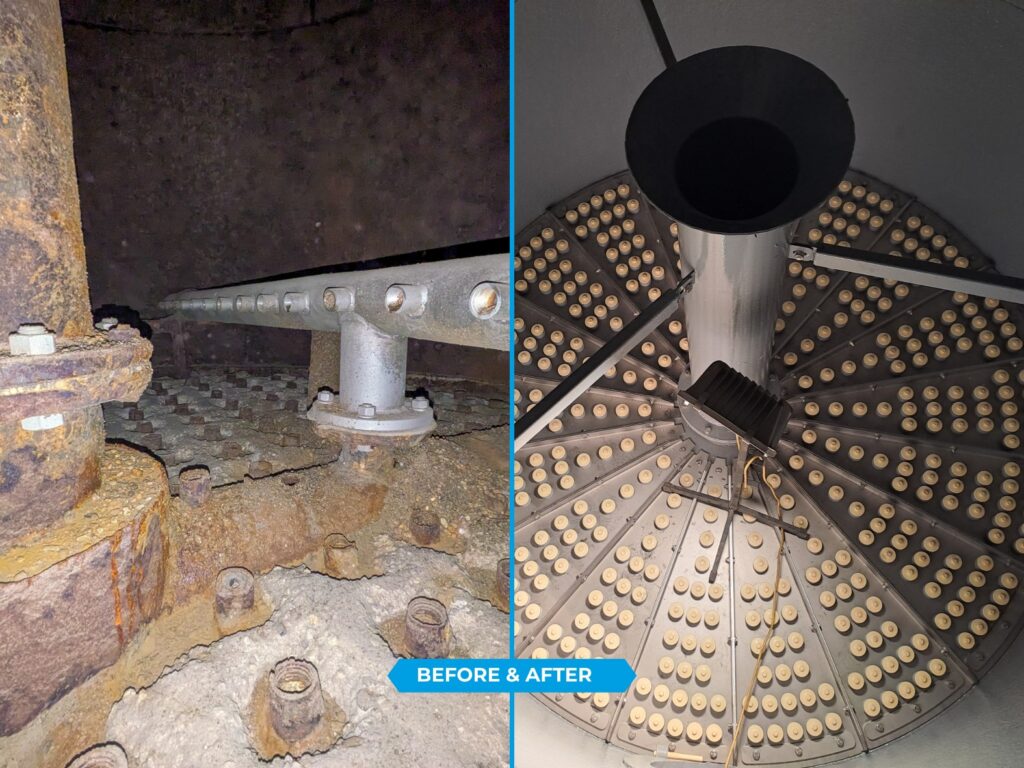
Raw water is corrosive to pipes and valves. Our complete well water treatment systems reliably remove lime, iron, and other contaminants. For you, this means less wear and tear and a significantly longer service life for your industrial production equipment.
We combine various filtration systems and processes, such as reverse osmosis, to ensure that the water quality precisely meets your specific process requirements. No more compromises on surface finish quality due to standard water.
Raw water often contains substances that gradually damage equipment. Our combined systems transform this water into a precise process medium to maximize the service life of your machinery and prevent industrial downtime.
Dissolved substances, such as iron, form insoluble particles when they come into contact with oxygen; these particles clog pipes and leave behind brown deposits. We eliminate these deposits using our water treatment solutions, thereby ensuring the continuous operation of your entire infrastructure.
Mineral deposits act as insulating layers and cause energy consumption to skyrocket. Our water treatment systems specifically remove hardness-causing substances from the water to optimize heat transfer and prevent costly scale buildup.
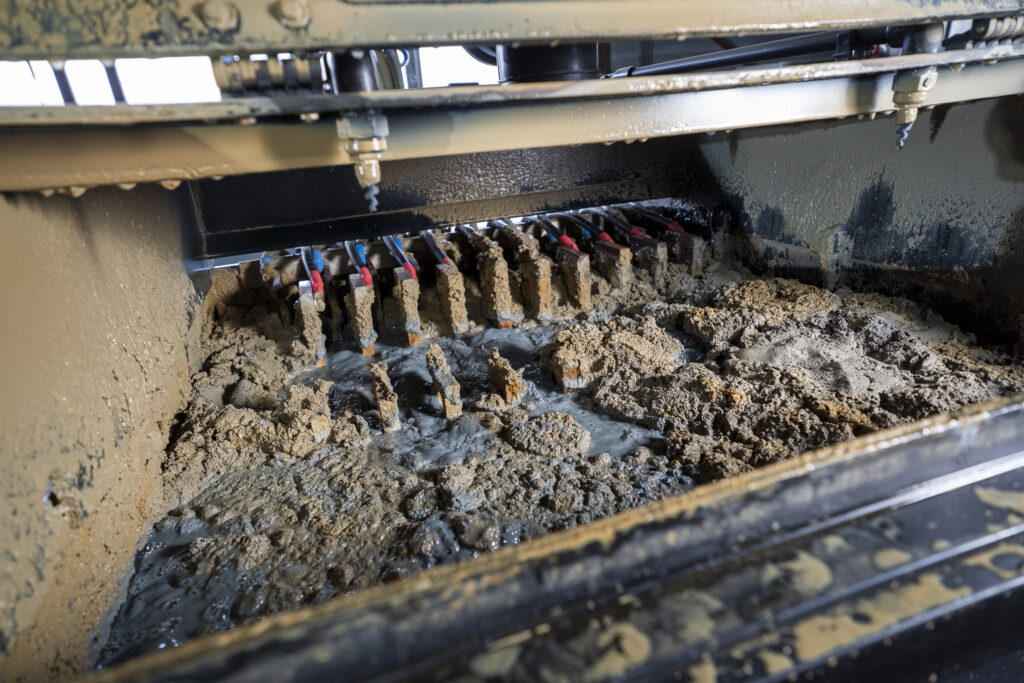
Sand, rust, and suspended solids in raw water pose a threat to your entire infrastructure. Our filtration systems reliably remove these particles during the first stage of treatment. This protects your equipment from mechanical wear, ensures the quality of the subsequent process water, and reduces the burden on subsequent wastewater treatment.
High salt concentrations in raw water promote pitting corrosion and leave stains after cleaning. We precisely reduce conductivity to protect your components from corrosion and ensure perfect results in industrial applications.
Microorganisms reduce cooling efficiency and form slimy deposits in the pipes. Our water treatment processes reliably remove organic contaminants and ensure the hygienic safety of your entire production process.
Certain concentrations of substances are not permitted in many industrial applications and can compromise product stability. Using selective processes, we reduce the load to the required level and ensure that water quality fully complies with standards.
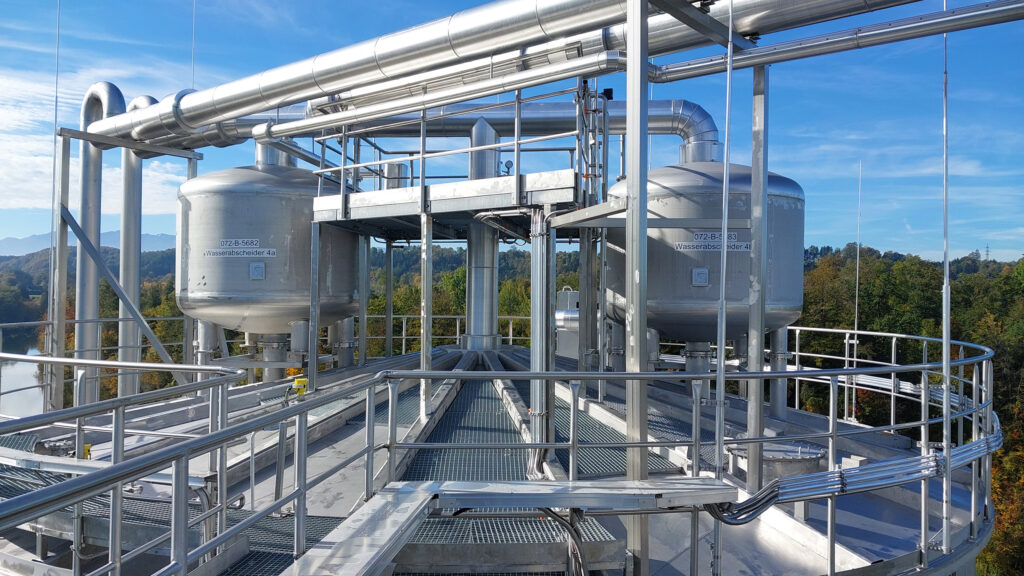
Our customized water treatment solutions offer you a cost-effective way to safely convert raw water and well water into high-quality process water. We will work with you to determine whether the specific composition of your spring water can be optimally treated to meet your needs through a thorough initial analysis. Our systems reliably reduce undesirable contaminants, ensure the quality of your production, and sustainably lower your operating costs by replacing expensive municipal water.
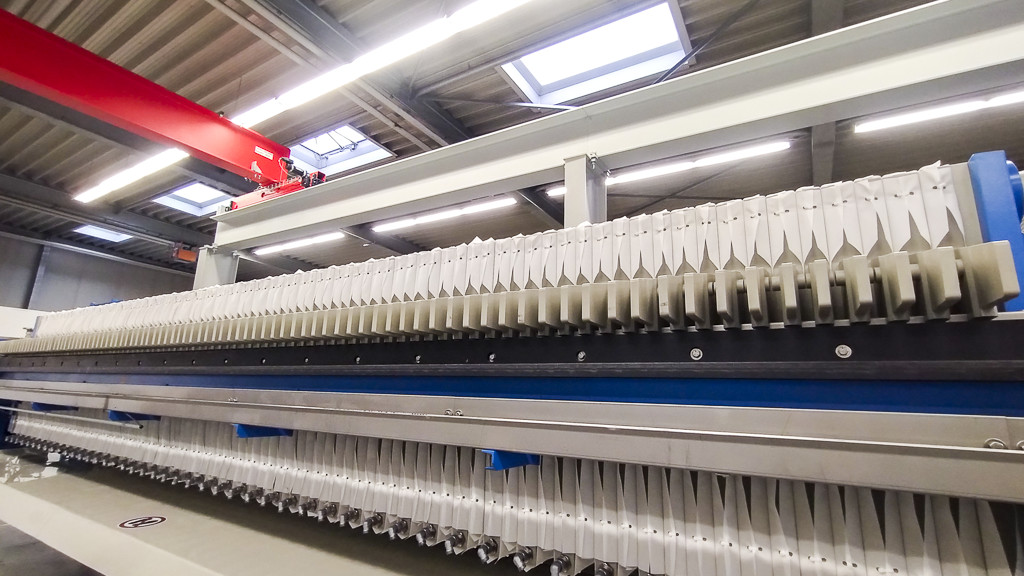
First, all suspended solids, such as sand or particles, are removed through sedimentation or filtration systems. This provides the foundation for protecting downstream valves and pumps from mechanical wear.
In this step, dissolved substances such as iron and manganese are rendered insoluble through oxidation and then filtered out. At the same time, protection against limescale is provided through the ion-exchange process.
For processes that require the highest level of purity, we remove dissolved salts and chlorides. The reverse osmosis process precisely reduces conductivity to prevent corrosion and staining.
The final step ensures biological stability. UV irradiation or disinfection processes neutralize germs and bacteria to prevent biofilms from forming in your systems.
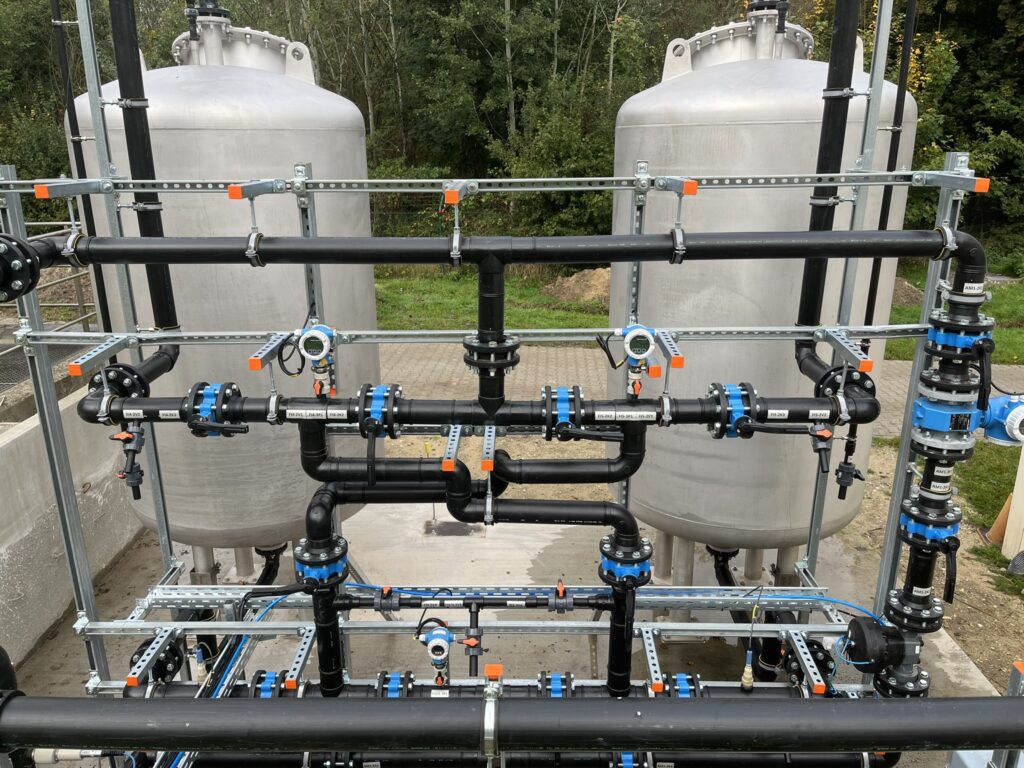
Every body of water is unique. Based on our laboratory analyses, we combine the appropriate process steps to create a highly efficient integrated system. We integrate precisely those technologies that are technically and economically optimal for your specific requirements and infrastructure.
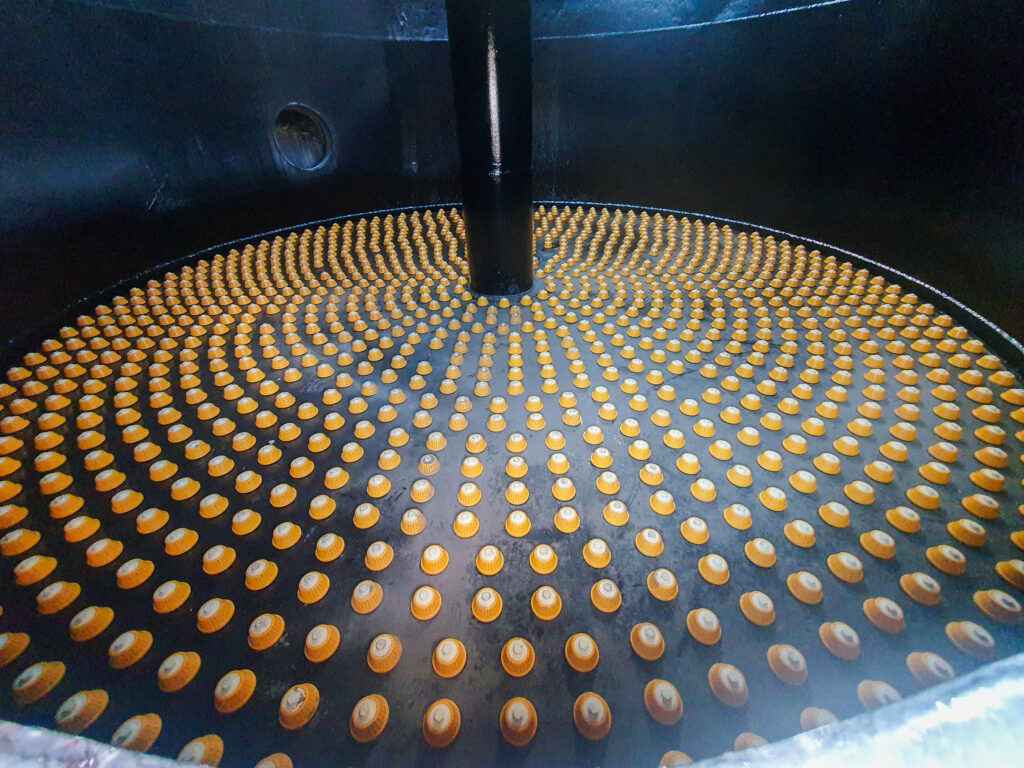
Filtration serves as the first barrier against undissolved substances in raw water. The use of specialized filtration systems reliably removes sand, suspended solids, and microparticles to protect downstream system components from abrasive wear and clogging.
Although less common in raw water applications, anaerobic approaches are effective for deep waters that are extremely low in oxygen and contain high levels of organic matter. These processes treat the water in an oxygen-free environment so that the subsequent aerobic stage or filtration can operate with high efficiency.
For raw water containing naturally occurring organic contaminants, we use aerobic processes. The targeted supply of oxygen stabilizes biodegradable substances, which significantly extends filter service life, particularly when using surface water.
If your process requires water with extremely low salt content or partially de-oiled water, membrane technology is the method of choice. Using reverse osmosis or ultrafiltration, we remove dissolved substances at the molecular level, thereby ensuring consistent water quality for sensitive applications.
To make dissolved substances such as iron or phosphates removable, we convert them into insoluble particles through precipitation. The subsequent flocculation process binds these particles into larger units, which can then be easily and efficiently removed during the pre-treatment stage.
For raw water that is particularly difficult to treat, we rely on electrocoagulation. Without the massive addition of chemicals, electrical impulses trigger reactions that bind even the finest impurities, thereby enabling the precise treatment of difficult well water.
Spaleck Wassertechnik GmbH
Robert-Bosch-Str. 6
46397 Bocholt
Phone: +49 2871 2134 – 0
E-mail: info@spaleck.de
If you have any questions about SPALECK water technology, our team of experts will be happy to assist you.
Here are some questions about the treatment of raw water and well water using SPALECK water treatment technology. If you have any further questions, please feel free to contact us.
A precise water analysis is the indispensable foundation of any stable planning. In order to tailor the processes precisely to your specific water chemistry, we carry out comprehensive tests for every project in our in-house SPALECK test laboratory.
Yes, because we rely on a modular system, additional stages – such as an additional reverse osmosis unit or more powerful filtration – can be retrofitted at any time. This allows your water treatment system to grow flexibly with your production.
Absolutely. Iron and manganese are among the most common challenges with well water. Through our combined processes of oxidation and filtration, we reliably remove these substances before they can Blockages your nozzles or leave brown residues on your products.
You are currently viewing a placeholder content from Vimeo. To access the actual content, click the button below. Please note that doing so will share data with third-party providers.
More InformationYou are currently viewing a placeholder content from YouTube. To access the actual content, click the button below. Please note that doing so will share data with third-party providers.
More InformationYou need to load content from reCAPTCHA to submit the form. Please note that doing so will share data with third-party providers.

More Information