


Chat

Clean Process Water for Industry

Precipitation and flocculation

A reliable cleaning process is the backbone of your production. Using perfectly coordinated chemical and physical processes, we safely remove suspended solids and dissolved contaminants from your system—ensuring your wastewater complies with legal requirements and protecting your equipment.

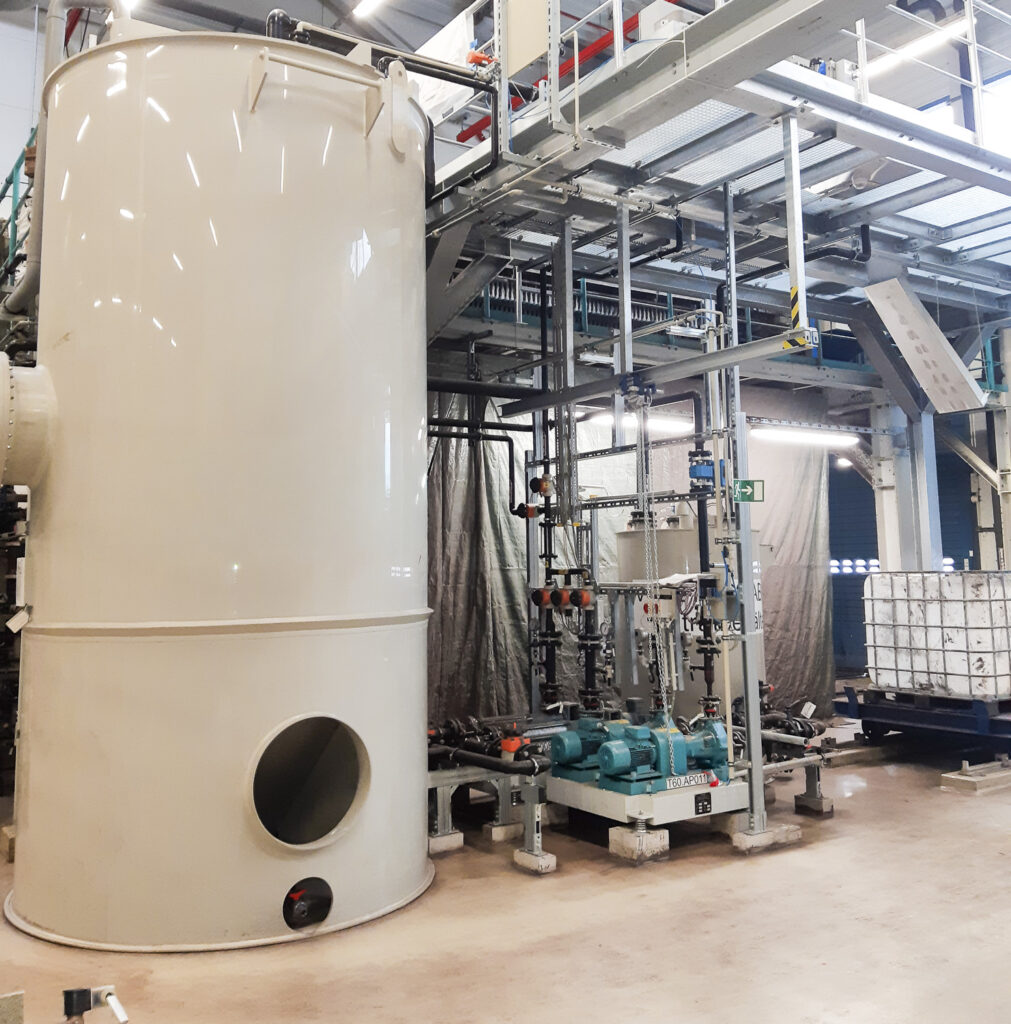
Design for a tank intended for use in precipitation and flocculation in water treatment. Next to them are pumps and a piping system.

Chemical-Physical Deposition

Physical conditioning through precipitation and flocculation is the key to effectively preparing solids for mechanical separation. Our systems can be precisely scaled to your specific feed rates and particle properties—from exact dosing to optimal flocculation. Here’s how to integrate highly efficient water treatment technology into your existing infrastructure in a space-saving way and lay the foundation for a clean water balance, regardless of the plant’s size.

Legal Certainty Through Purity

Selective precipitation binds pollutants such as heavy metals and phosphates, which mechanical filters alone cannot capture. This is how you can reliably stay below statutory discharge limits and ensure long-term compliance with regulatory and environmental requirements.

Reduce disposal costs

Perfectly balanced flocculants produce large, stable flocs that drain exceptionally well. A more compact filter cake drastically reduces your waste volume and significantly lowers your logistics costs as well as the costs associated with subsequent landfilling or thermal recycling.

Asset Protection and Value Preservation

Physical pre-cleaning acts as a protective shield for your equipment. It prevents fouling and scaling on sensitive membranes and heat exchangers. The result is significantly longer uptime, less maintenance, and maximum service life for your system.

Ensuring Process Stability

Physical treatment responds flexibly to varying contaminant loads or production peaks. Your system remains stable even under fluctuating inlet conditions and consistently delivers clear water—ensuring reliable and uninterrupted production.

Targeted removal of complex ingredients

Not every contaminant is visible to the naked eye, but each one requires a specific chemical response. Our precipitation and flocculation processes are designed to efficiently bind even the most stubborn substances. From dissolved metals to emulsified fats—we transform problematic wastewater contaminants into separable solids, thereby ensuring the purity of your process water.

Customized Analysis for Tailored Processing Concepts

Every type of industrial wastewater is as unique as the production process from which it originates. Standard solutions often reach their limits here, as various factors have a significant impact on floc formation.
Based on thorough laboratory analyses, we determine the exact combination of active ingredients for your specific soil load. No matter how complex your requirements may be—we develop a robust process that combines technological precision with economic efficiency and ensures your plant is future-proof.

A man in a white shirt gives a thumbs-up.

Safe Removal of Heavy Metals

Through precise pH control, we convert dissolved ions such as copper, zinc, or nickel into insoluble solids. The subsequent flocculation process ensures that these pollutants are completely bound and reliably removed—ensuring that the effluent meets all water quality regulations.

A man in a white shirt gives a thumbs-up.

Effective Removal of Iron & Manganese

Prevent staining and clogs in your system. Through a combination of targeted oxidation and precipitation, we convert dissolved iron and manganese into a form that can be filtered out. This protects your entire infrastructure from stubborn deposits and ensures process quality.

A man in a white shirt gives a thumbs-up.

Precipitation and Secure Retention

Heavy metals must be immobilized before separation. By adjusting the pH (precipitation) or using electrocoagulation, we convert dissolved ions into stable flocs. These are reliably separated in sedimentation tanks. To ensure compliance with even the strictest limits, we often install an ion exchange unit downstream to completely remove any remaining traces of metals from the purified water.

A man in a white shirt gives a thumbs-up.

Breakdown of Stable Oil and Fat Emulsions

Emulsified oils are virtually impossible to separate mechanically—we break down this stability chemically. Through the use of specialized dispersants, oil and grease droplets are bound to flakes and thus efficiently removed from the system before they can interfere with subsequent processes.

A man in a white shirt gives a thumbs-up.

Targeted Reduction of COD and BOD Loads

Reduce your wastewater fees by removing particulate organic matter. By binding organic suspended solids through flocculation, we significantly reduce chemical and biochemical oxygen demand levels, thereby easing the load on your entire treatment process.

A man in a white shirt gives a thumbs-up.

Pre-treatment and Binding of PFAS

Removing these “eternal chemicals” is a complex process, but it starts with proper conditioning. Long-chain compounds, in particular, can be adsorbed by specialized flocs. This optimally prepares the water for the final purification stage and conserves expensive activated carbon resources.

A man in a white shirt gives a thumbs-up.

3 Steps to Clean Process Water

Physical Principles for Efficient Separation

Mechanical separation uses the physical properties of particles to remove pollutants from water efficiently and without biological processes. Thanks to intelligent flow control and robust technology, our processes dynamically adapt to your specific wastewater load. This allows you to achieve a highly efficient cleaning cycle and consistently high water quality for your industrial processes.

Precipitation

In the first step, precipitating agents are added to the water, triggering a chemical reaction. Dissolved substances that are not visible to the naked eye react with the agent and transform into tiny, solid particles. A clear solution thus becomes slightly cloudy.

Flocculation

Since the resulting particles are often very small and have the same electric charge, they repel each other and do not sink. The addition of flocculants (polymers) neutralizes this repulsion. The microparticles combine to form larger, heavier, and more stable "macroflocs." It is this process that makes the impurities detectable.

Separation

In the final step, the heavy flakes are separated from the clean water. Depending on the system design, this is achieved through sedimentation, flotation, or filtration. What remains is clear process water and a concentrated sludge that can be efficiently disposed of or further processed.

Optimal water quality for every need

Flexible Conditioning for Your Industrial Processes

Our precipitation and flocculation processes are technologically versatile and reliably treat a wide variety of water qualities. Depending on your requirements and industry, precise chemical conditioning combined with state-of-the-art separation technology delivers exactly the purity class required for your specific processes—from targeted removal of contaminants to high-quality process water.

Safe Processing of Natural Resources

Raw water and well water

Natural water sources often contain dissolved iron and manganese compounds as well as organic matter. Through a targeted precipitation process, we convert these into a form that can be filtered. The subsequent flocculation process binds even the smallest suspended solids, creating a crystal-clear foundation for your production.

A man in a white shirt is smiling and pointing to the side.

High-Quality Pre-Treatment Unit for Pure Water Systems

Deionized water (fully deionized)

Delicate membranes and ion exchangers are highly sensitive to colloids and organic particles. Our precipitation and flocculation processes serve as a highly efficient protective measure: They bind unwanted impurities early on, thereby preventing the dreaded fouling and significantly extending the service life of your pure water systems.

Reliable Quality for Technical Systems

Process and Service Water

For general cleaning or cooling processes, we deliver consistently high water quality through precisely controlled flocculation processes. By removing contaminants from the feed stream, we effectively protect your industrial equipment from deposits and wear. This increases the operational reliability of your infrastructure and significantly reduces maintenance costs.

Sustainable Conservation of Resources

Circulating water

In modern industry, the reuse of water is a key competitive advantage. Through precipitation and flocculation, we treat process water so that it can be maintained in a stable state within the cycle. The targeted removal of solids and chemical contaminants protects your systems from scaling, increases resource efficiency, and significantly reduces your disposal costs.

A man in a white shirt points to the side: industrial and process water treatment.

Contact us

Quick- inquiry

Spaleck Wassertechnik GmbH
6 Robert-Bosch Street
46397 Bocholt

Phone: +49 2871 2134 – 0
E-mail: info@spaleck.de

Our Water Treatment Technologies

Optimized Load Reduction for Industry

Chemical-Physical Water Treatment

The combination of precipitation and flocculation is the most efficient solution for highly contaminated industrial wastewater. By chemically binding dissolved substances, metals, and emulsions and converting them into flocs that can be separated, we reduce the contaminant load far more thoroughly than purely mechanical filters. The result: a significant reduction in the workload on your processes and a solid foundation for legally compliant discharge or recycling.

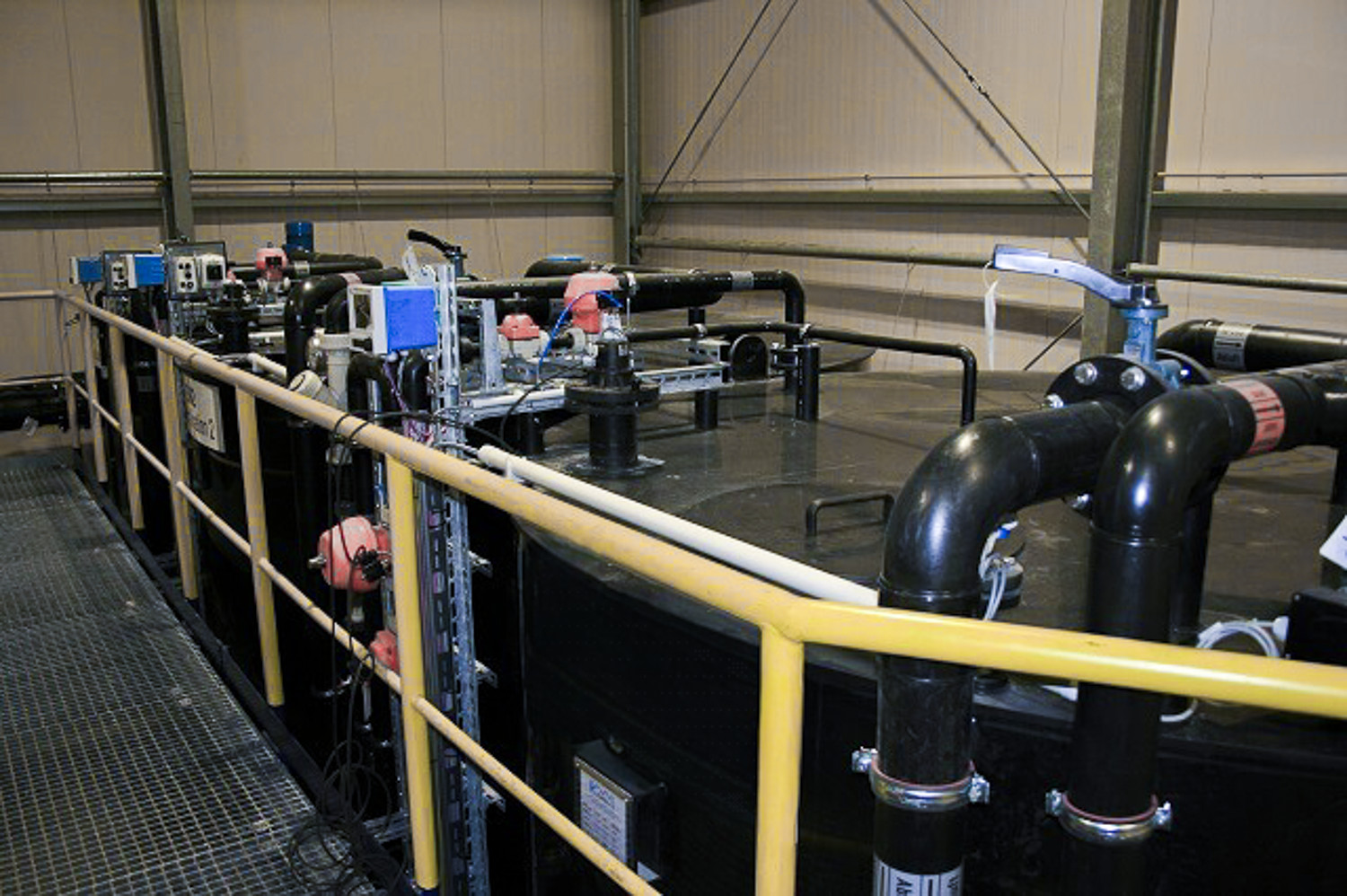
Schwarze Tanks zur Fällung und Flockung zur industriellen Wasseraufbereitung

Efficient Heavy Metal Removal and Recycling

Metalworking generates highly contaminated wastewater containing dissolved metals, cooling lubricants, and scale. To ensure a stable process, we begin by separating oil emissions through targeted emulsion breaking. Our precipitation and flocculation processes then convert dissolved heavy metal ions—such as zinc, nickel, or chromium—into stable solids, which are safely removed. This protects your systems from corrosion, ensures compliance with the strictest discharge limits, and enables trouble-free sludge dewatering.
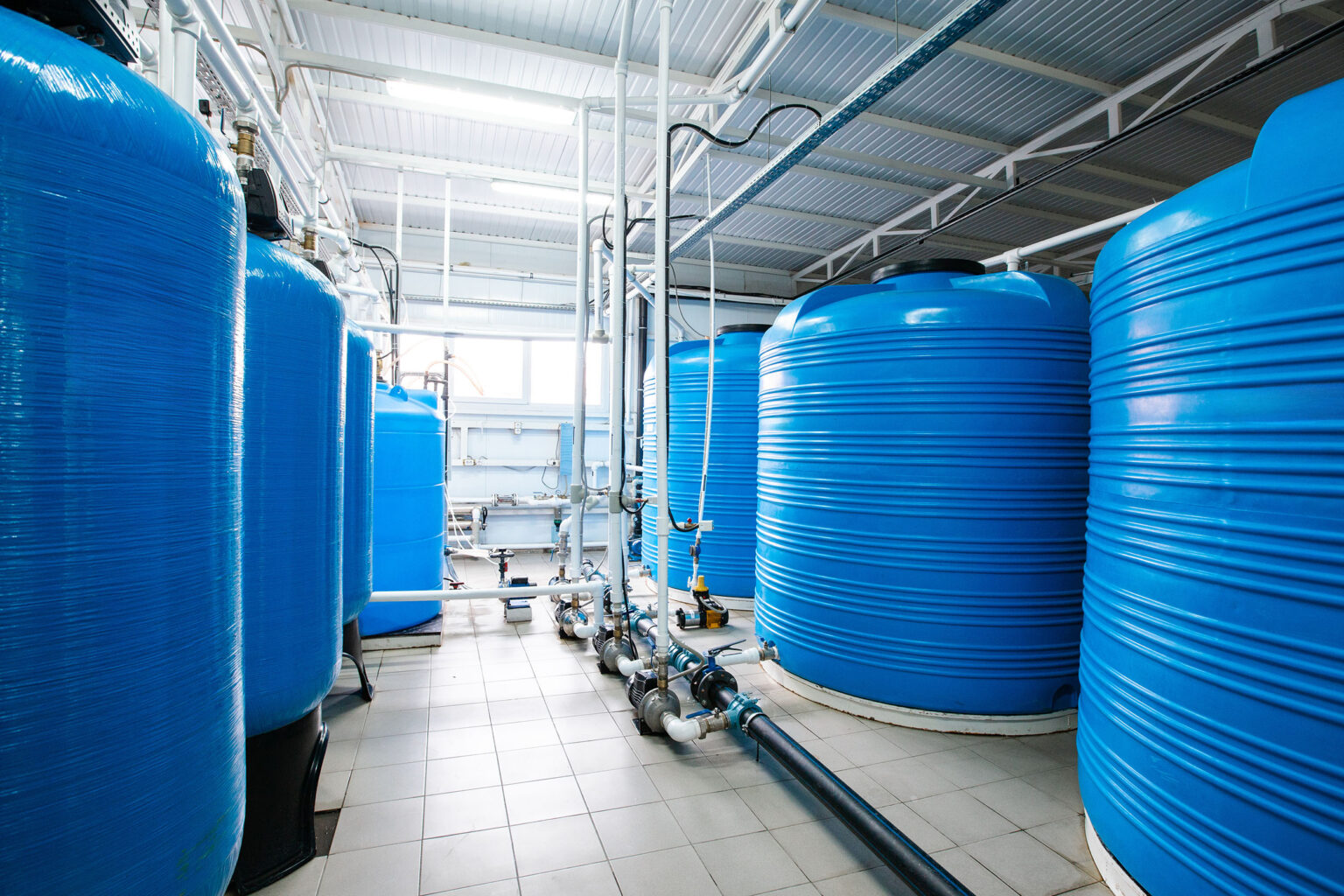
Mehrere große blaue Tanks zur Fällung und Flockung in der Wasseraufbereitung in Industriehalle

Reliable reduction of organic matter and fats

Wastewater from food production is characterized by high levels of organic matter (COD/BOD) as well as oils and fats. To ensure efficient cleaning, our first step is to safely remove and separate unwanted oils and fats. Only then are any remaining particulate substances mechanically removed through targeted flocculation and filtration. This significantly reduces the load on downstream biological treatment stages, prevents odors, and noticeably lowers your surcharges for highly polluting wastewater.
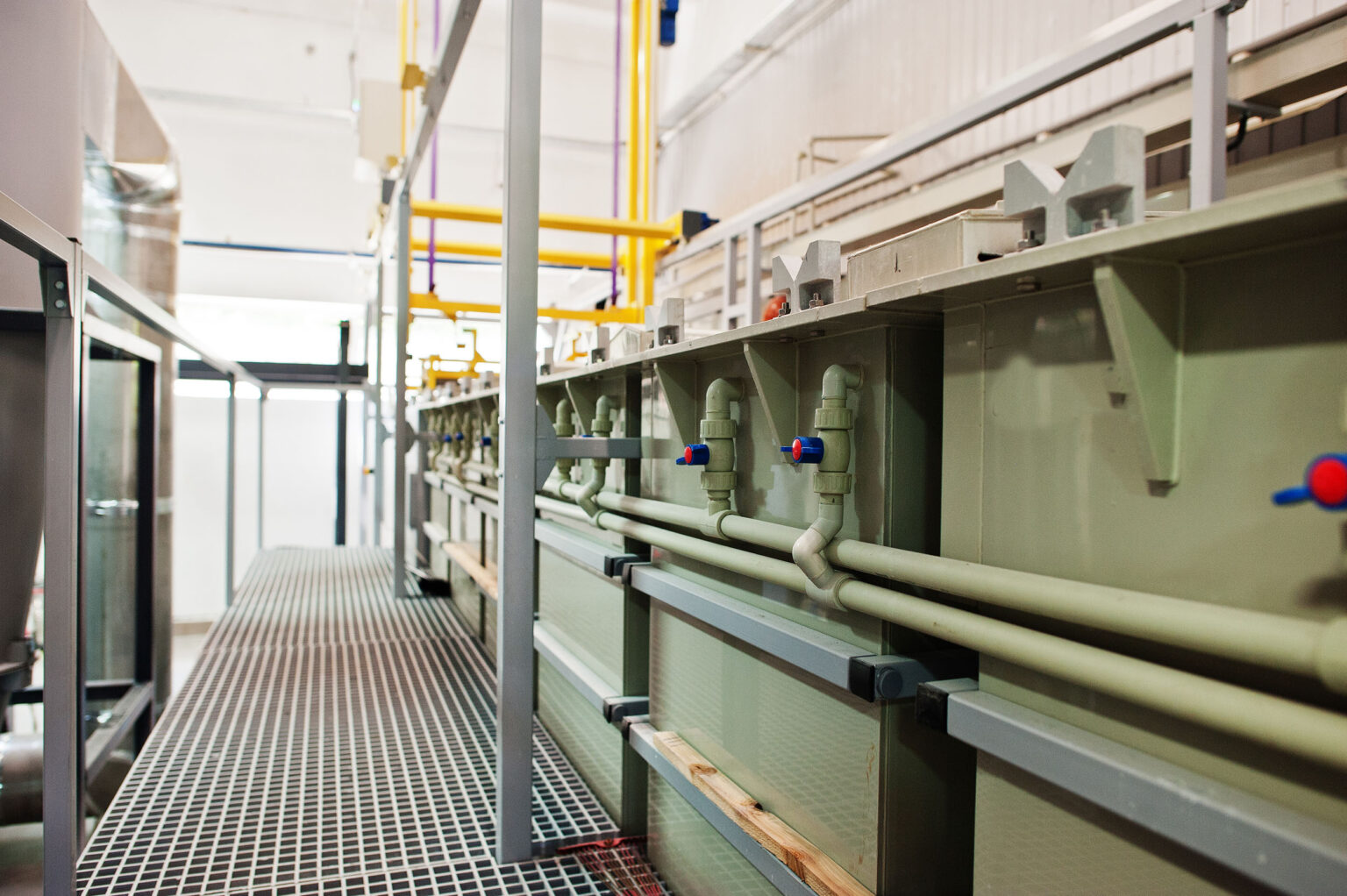
Grünes Becken mit Abwasser zur Abwasseraufbereitung

Reliable separation of pigments and binders

The cleaning of production facilities often results in highly colored wastewater containing complex pigment structures and dissolved binders. Precipitation and flocculation are essential here for binding the dyes and converting them into separable flocs. This ensures that you get clean water back, which can either be reused or safely discharged.
Graues Rohr mit Abwasser Beschriftung

Precise Treatment of Complex Wastewater Streams

The chemical industry places the highest demands on the flexibility of processing. Whether it's fluctuating pH levels or complex chemical compounds—our processes adapt dynamically. Through targeted chemical pretreatment, pollutants are stabilized and reliably removed from the liquid phase.
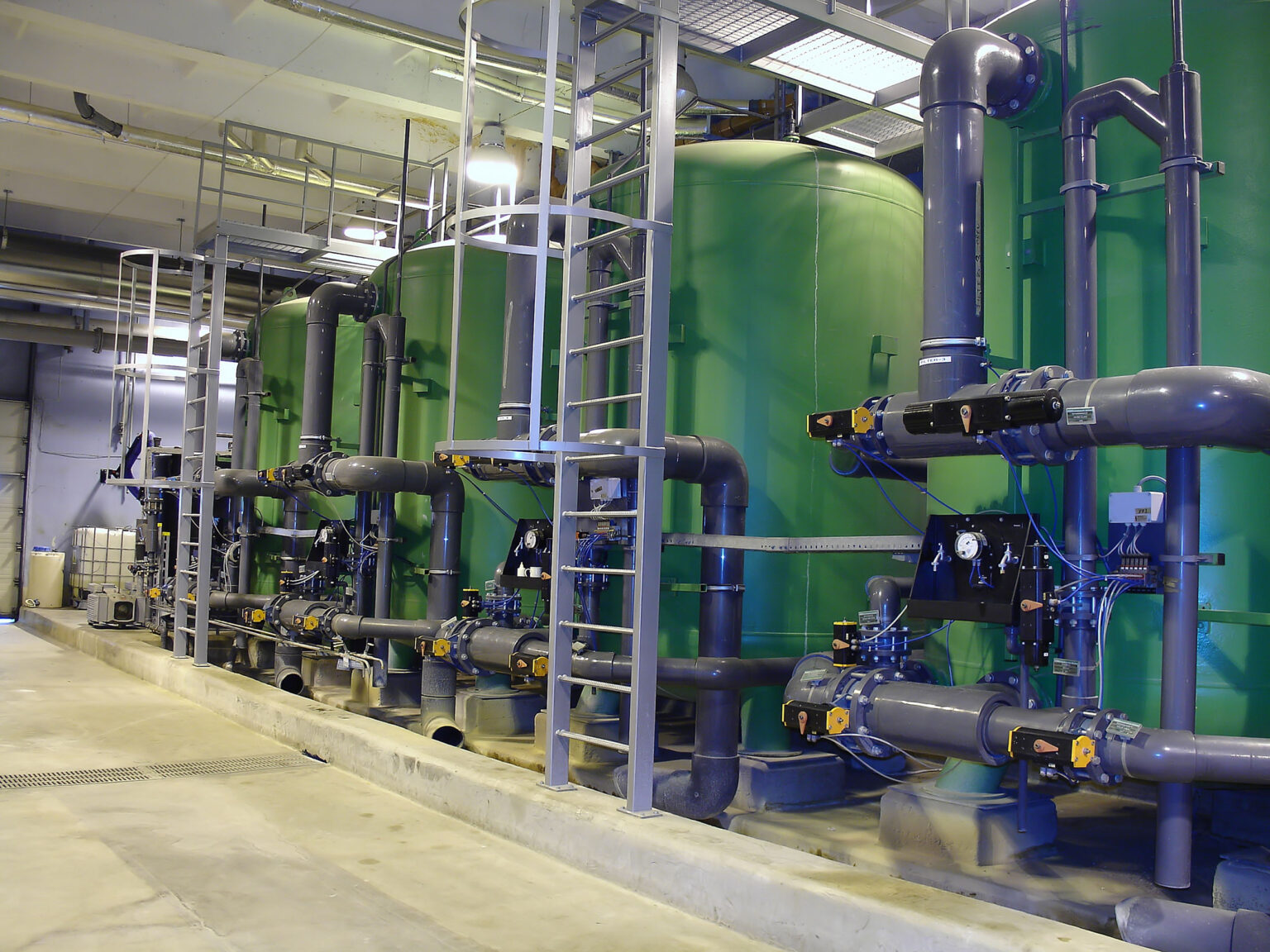
Vier grüne Tanks zur Fällung und Flockung in der Wasseraufbereitung

Optimized Water Management and Fiber Recovery

In the paper industry, the focus is on reducing fines and promoting recycling. Our flocculation concepts significantly improve the separation of even the smallest fibers and fillers. This protects your screens and felts from clogging, reduces fresh water consumption, and ensures trouble-free operation of your paper machine.
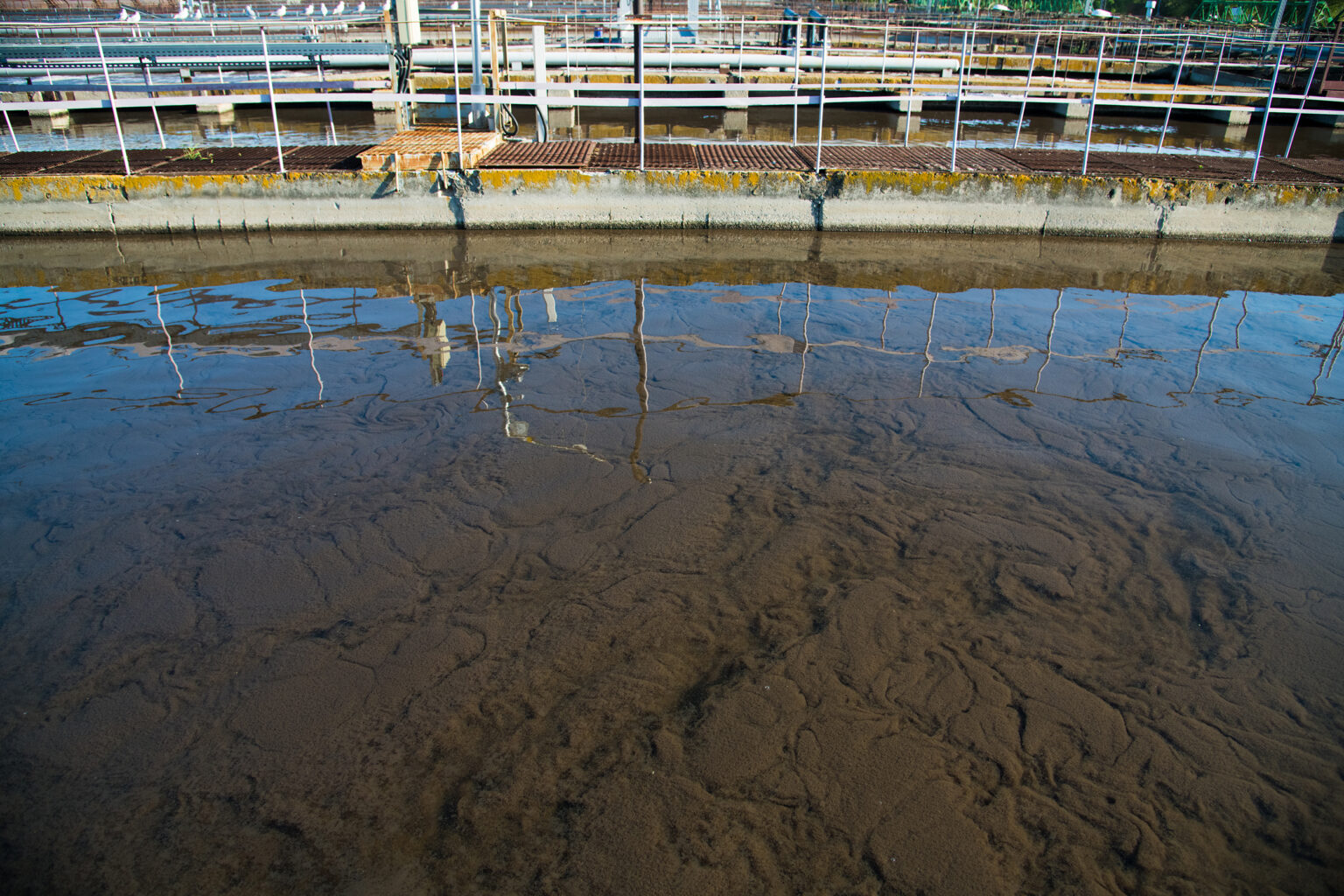
Becken mit gereinigtem Wasser. Am Boden setzt sich Klärschlamm ab.

Customized solutions for your specific needs

Every production process is unique and requires a precisely tailored chemical formulation. If your industry is not listed here, we will develop a customized precipitation and flocculation plan for you based on a detailed water analysis. We combine technical expertise with economic efficiency to find the optimal separation strategy for your specific contaminant load.


Your Contacts

If you have any questions about SPALECK water technology, our experts will be happy to assist you.

All About Spaleck

You might also be interested in

Blood Donation

CSR, Health

From Hanna Hitpaß

Bocholt City RunTeam Event

CSR, Health

From Hanna Hitpaß

Donation PresentationHealth CircleHealth Day

CSR, Health

From Hanna Hitpaß

Everything You Need to Know

FAQs

Here are some questions about precipitation and flocculation using SPALECK water treatment technology. If you have any further questions, please feel free to contact us.

Static dosing systems fail during production peaks or unexpected discharges. Our state-of-the-art systems utilize buffer tanks and intelligent real-time dosing. If the load increases (e.g., due to tank cleaning in your production process), the control system adjusts the chemical dosage to reliably prevent limit values from being exceeded.

The truth is: While precipitation and flocculation do clean the water, they transfer the pollutants into the solid phase. This increases the sludge volume.
Our systems are therefore designed to achieve optimal floc compactness. In addition, the sludge can be dewatered exceptionally well using our chamber filter presses or decanters. We calculate the estimated sludge volume for you as early as the test phase so that you can accurately estimate disposal costs.

Yes, absolutely. In most cases, there’s no need to build completely new systems. At SPALECK Wassertechnik, we integrate modern dosing stations, static mixers, or optimized flocculation reactors (maturation tanks) directly into your existing infrastructure to improve treatment performance (retrofitting).

In short: Precipitation converts dissolved substances into insoluble solids. Flocculation binds these tiny solids together into larger, filterable flocs.

Precipitation: The addition of precipitating agents (e.g., iron or aluminum salts) triggers a chemical reaction. Dissolved substances (such as phosphates or heavy metals) are precipitated as tiny, insoluble particles (precipitate).

Flocculation: Since these particles are often too small to settle, flocculants (polymers) are added. They act like an adhesive, binding the microparticles together into larger macroflocs that can be easily separated by sedimentation or flotation.