
Chat
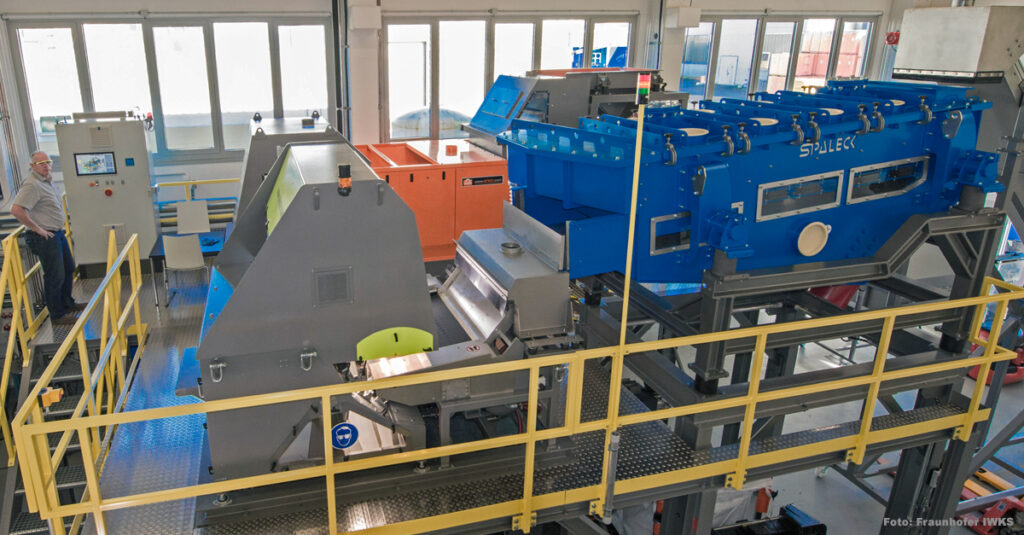
A view of a SPALECK 3D COMBI screening machine at a, new metal recycling plant in Austria. The 3D COMBI screening machine replaces two screening machines from another manufacturer in order to improve screening quality and, consequently, overall sorting quality. This is a retrofit project within a new facility.
Conveying & Separation Technology, Success stories

Compact, smart, SPALECK 3D COMBI

LIBS Metal recycling Sorting quality

Reading time 4 Minuten

Profilbild Ansprechpartner Frederik Stening

From Frederik Stening

Published: 02.06.2026

Updated: 30.06.2026

Share

Blog table of contents

Because every detail matters in the screening process

In a recent metal recycling project, a recycling company decided to remove two newly installed screening machines from another manufacturer and replace them with a single SPALECK 3D COMBI screening machine.

The background: The newly installed screening technology from another manufacturer required constant manual cleaning and, as a result, failed to classify the material with the necessary degree of separation. Fine particles were carried into the target fractions, while long particles ended up in the fine and medium fractions, where they should not have been. In short: Unfortunately, the Screening process only produced suboptimal particle size distributions. In addition, contamination and Blockages occurred in the Screen decks as well as in the material fed into the sorting process.
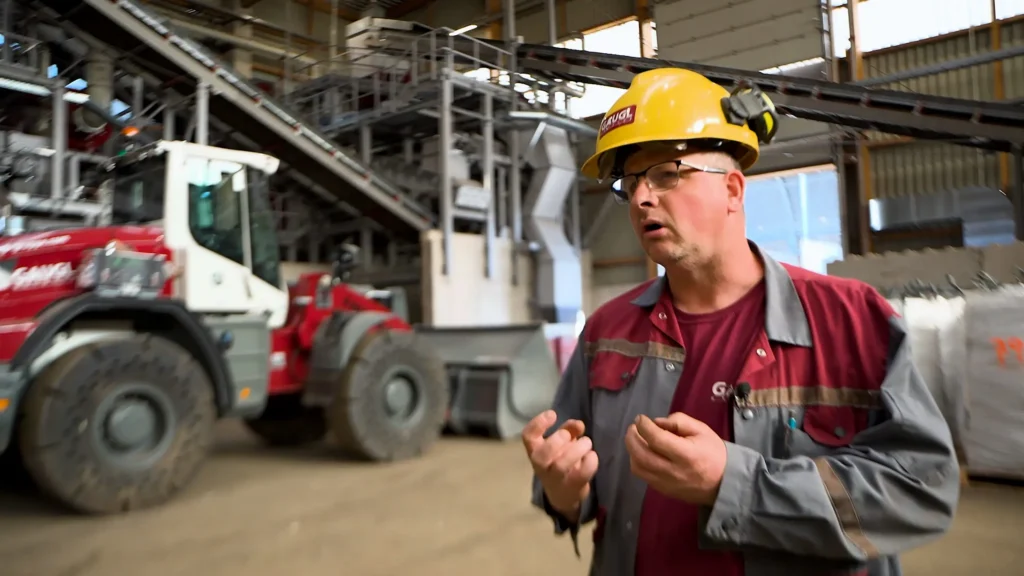
 

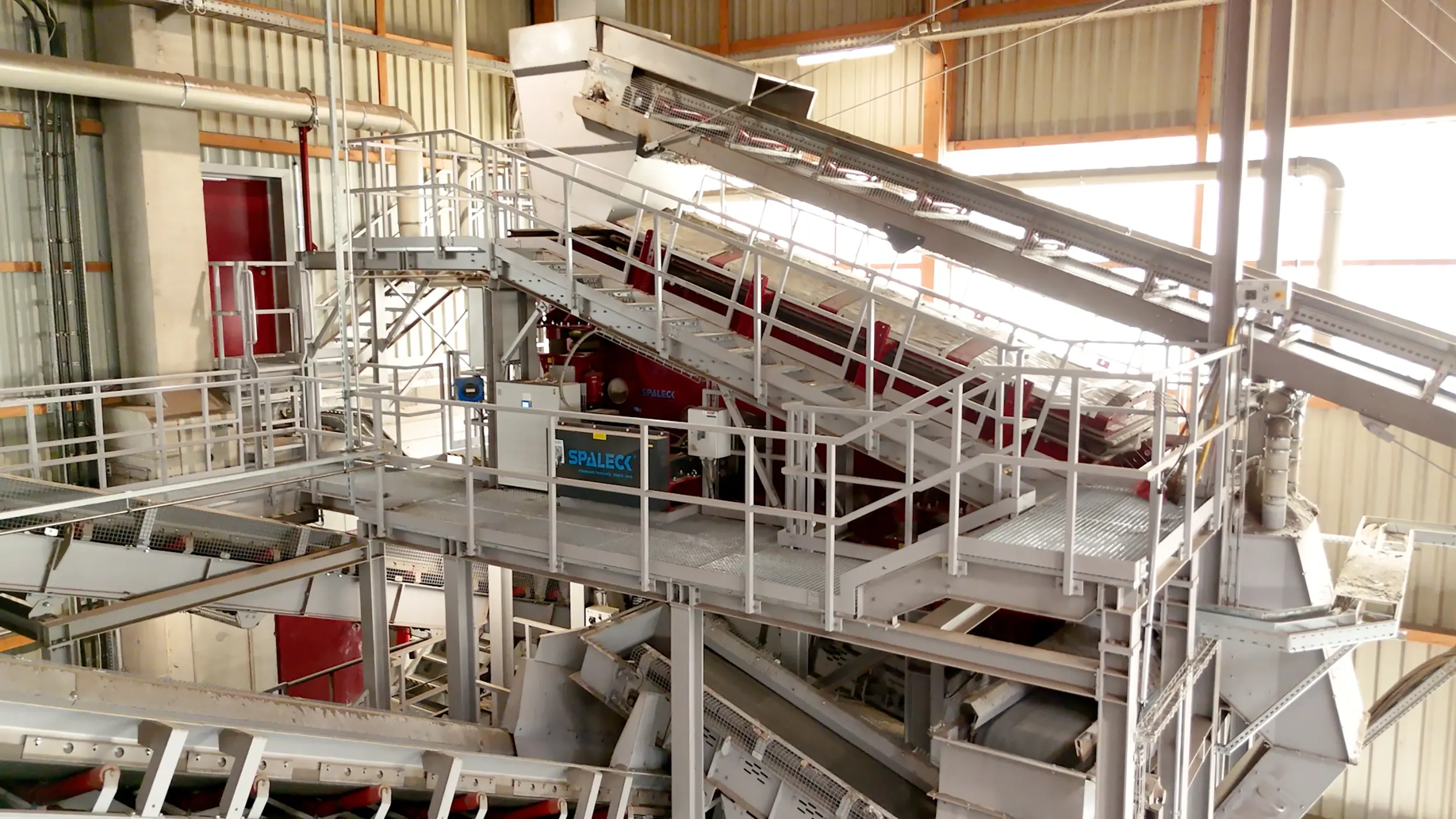
The production manager at Gaugl, a metal recycling company in Austria, describes the challenges posed by the quality of the screening process before Gaugl switched to a SPALECK 3D COMBI screening machine—which can be seen in the background.
“We kept finding contaminants and dirt in our target fractions,” says Gaugl, the production manager, explaining why the company was looking for a different Screening technology for its new plant.

____________________________________


If the screening process isn’t right, the entire sorting process suffers

In metal recycling in particular, precise classification by particle size is crucial for sorting quality, production costs, and the performance of the entire plant. Eddy current sorters, sensor and X-ray sorting machines, as well as the innovative LIBS technology, operate with high precision only when the material is fed in defined particle size ranges and is as free as possible from contaminants. In addition, an optimized and consistent material feed is also extremely important for the sorting result.

In this specific case, the inadequate screening process led to:

  • Carriage of fine particles into the target fractions
  • Long pieces in the feed material for the sorting machines
  • Contamination from dust, lint, and other impurities
  • increased cleaning and maintenance requirements
  • reduced sorting capacity of the downstream equipment
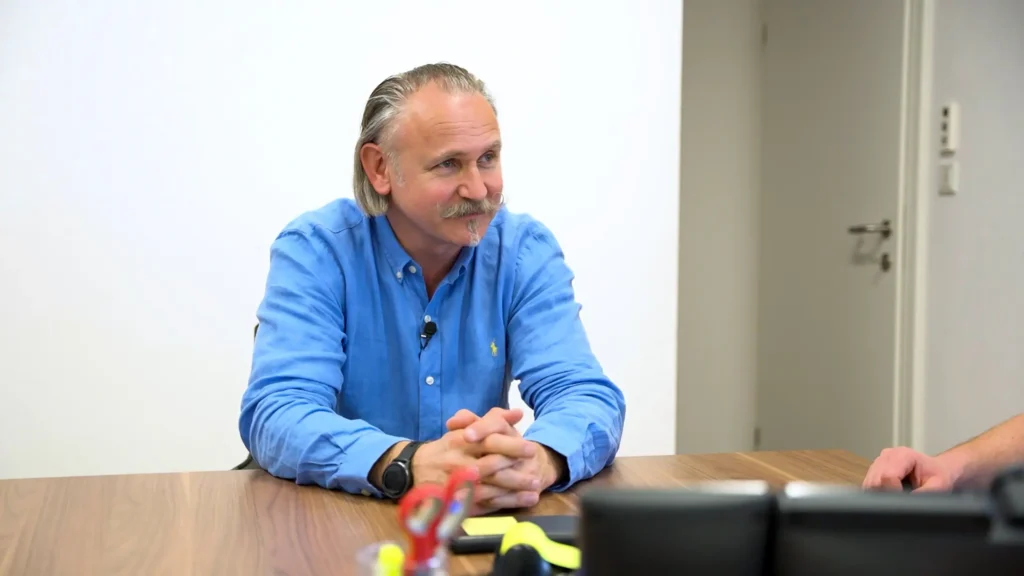
 

Alexander Gaugl, owner of Gaugl Metallhandel, a metal recycling specialist in Austria, describes the importance of the screening process in recycling:
Alexander Gaugl, owner of Gaugl Metallhandel, a metal recycling specialist in Austria, describes the importance of the screening process in recycling: “The screening process is absolutely essential.”

____________________________________

The Path to the Optimal Solution: Screening Tests at the SPALECK TestCenter

To analyze the causes in detail and find a solution to the problems mentioned above, we conducted extensive screening tests with the customer’s original material at the SPALECK TestCenter.
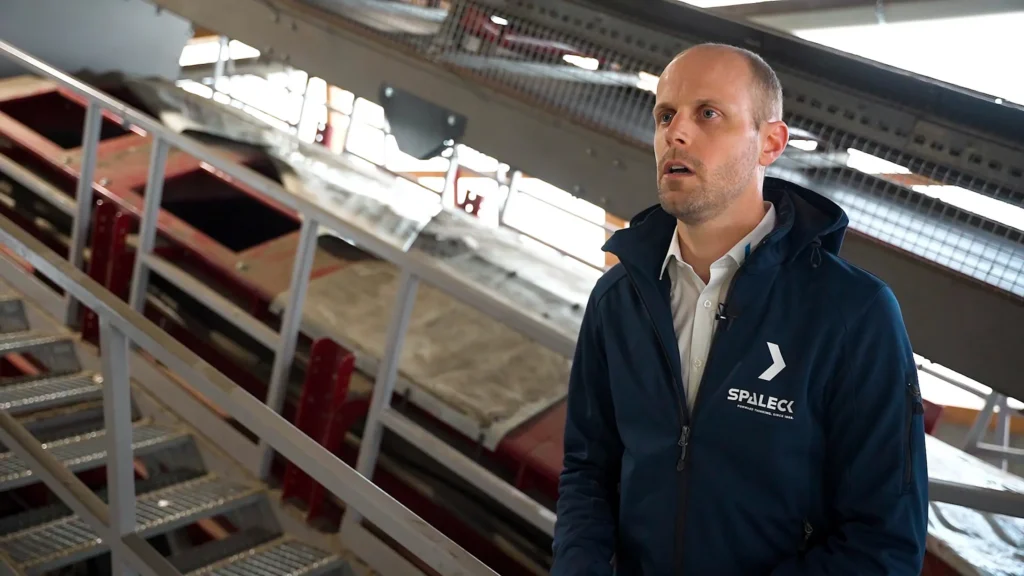
 

SPALECK screening machine expert Marcel van Reimersdahl stands in front of a SPALECK 3D COMBI screening machine at the Gaugl metal recycling facility in Austria. The screening machine replaces two previous screening machines from another manufacturer in order to improve screening quality and, consequently, sorting quality in the metal recycling process.
Screening expert Marcel van Reimersdahl describes the benefits of an effective screening process for the metal recycling process.


Based on these tests, the optimal machine configuration and screening technology were determined for the specific material and the defined process.

It quickly became apparent that a SPALECK 3D COMBI, specially configured for this application, could take over the entire screening process previously handled by the two older screening machines, requiring virtually no cleaning and producing four highly precise fractions.
One screening machine replaces two existing machines

After replacing its existing screening technology, the company is achieving significantly better results in material processing.

The new solution enables:

  • Four defined screen fractions using just one screening machine
  • Clean screening sizes without unwanted long pieces or fine particles
  • optimal conditions for downstream sorting technology
  • fewer machines and, as a result, a simplified process
  • lower production costs per metric ton processed
  • The result: higher-quality recycled non-ferrous metals with significantly less effort

With the SPALECK 3D COMBI, the recycling company was able to significantly simplify its screening process while improving the quality of the metal fractions produced.
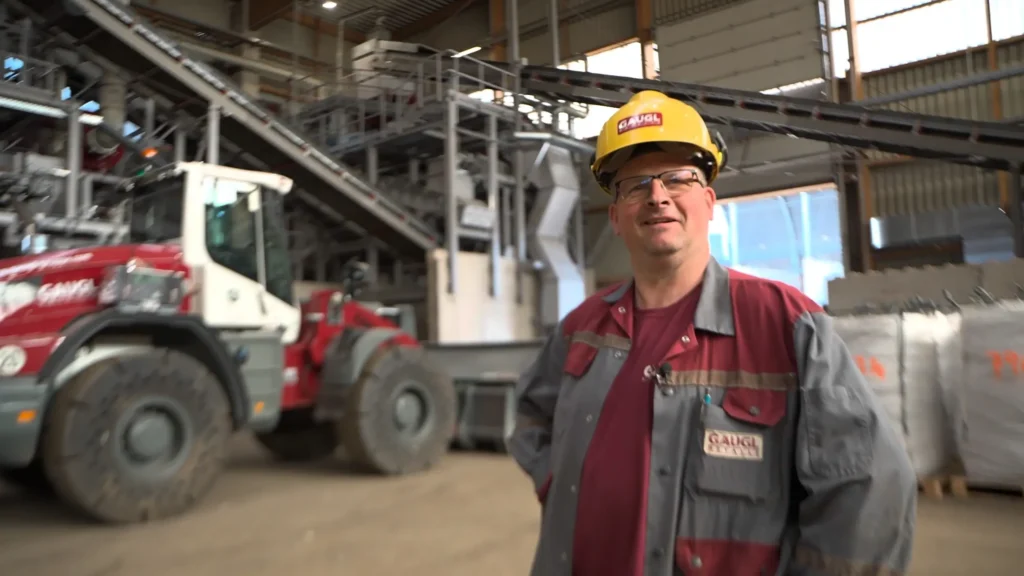
 

A satisfied production manager from Gaugl at the metal recycling plant operated by Gaugl Metallhandel, who describes his positive experience with the SPALECK 3D COMBI screening machine.
“Problems with the new screening system? There aren’t any—we now have much better sorting quality,” says the production manager happily.


This project demonstrates that it is not the number of machines used that matters, but rather how precisely they are tailored to the material, the separation sizes, and the process requirements. Take advantage of our SPALECK ModularDESIGN+ principle, which we use to configure the optimal screening machine for your material and process.

_________________________________


Would you like to know if your screening technology is operating at peak efficiency?

If your screening machine is not achieving the desired separation efficiency, requires more cleaning, or if your sorting system is not delivering the expected results, it’s worth taking a closer look at the screening process and the material feed to your sorting system.

At the SPALECK TestCenter, we test your material under real-world conditions and show you how you can specifically improve throughput, material quality, and Efficiency. We would be happy to advise you on this in person.
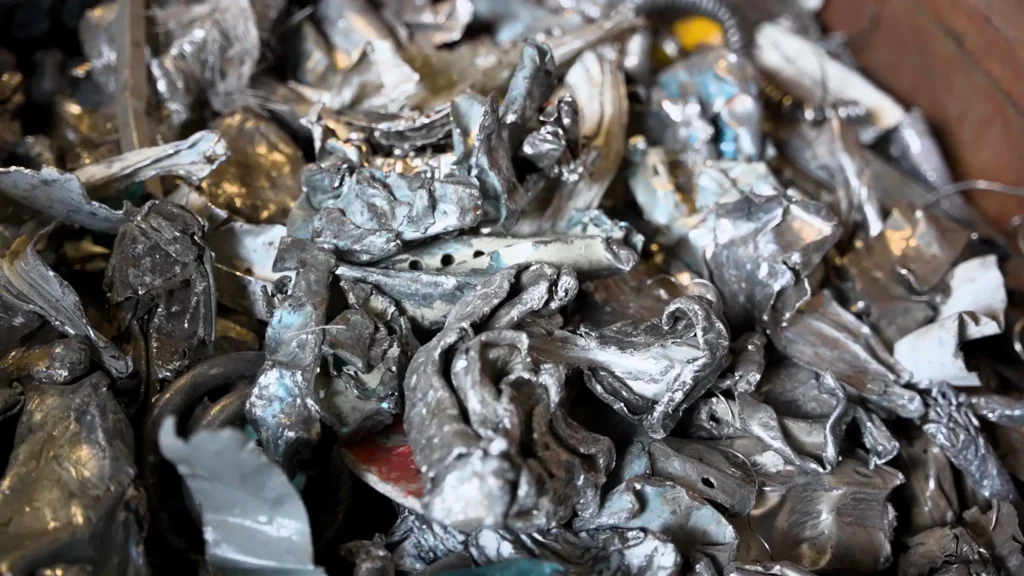
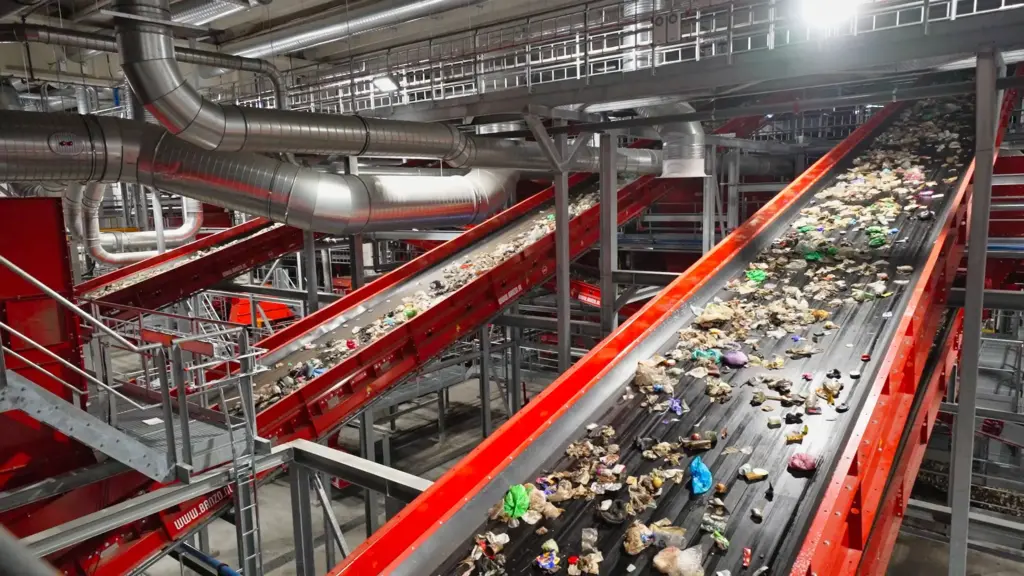
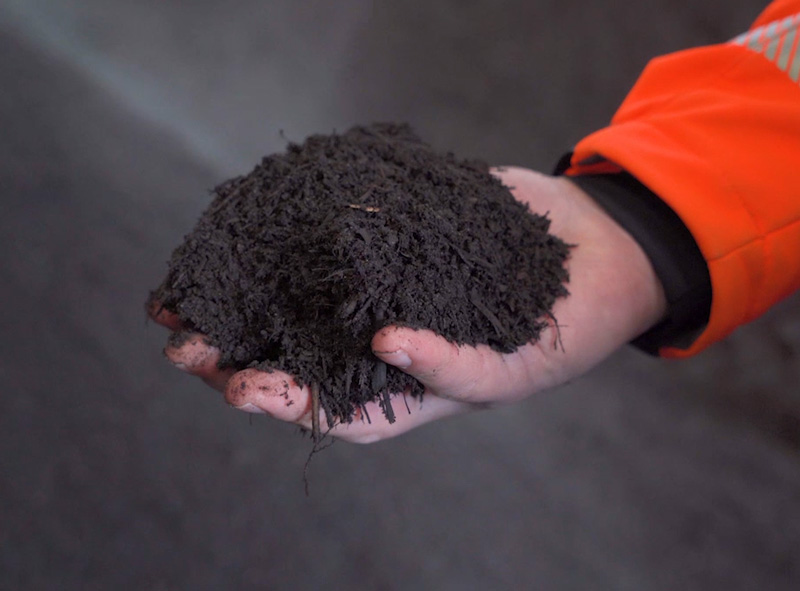
A close-up view of the non-ferrous metal being sorted by sensors. The SPALECK 3D COMBI screening machine used here optimally classifies the material so that the sorting equipment can sort it cleanly and free of fine particles and long pieces.


Inform now
Book your free screening test at the SPALECK TestCenter now.


Share

About the author

Profilbild Ansprechpartner Frederik Stening

Frederik Stening

You may also be interested in these blog posts

Frequently asked questions

The precise design of a tension-shaft screening machine is always tailored to the recycled material. Factors such as the composition of the input material, its moisture content, contaminants, throughput requirements, and the recycling goals associated with the input material form the basis for this. Working with you, we define screening sizes, purity requirements, and throughput rates, and use this information to configure the exact machine settings—from screening panels to amplitude and machine features such as the SPALECK FineSideCOVER (FSC) or our MultiDECK technology with a split push rod. Learn more here about our ModularDESIGN+ concept, which we use to find the optimal screening machine for your material. We’d be happy to test the respective recycling material together with you free of charge at the SPALECK TestCenter.

Precise screening of the fine fraction results in clearly defined particle sizes. For example, if the fine fraction ranging from 0 to 10 mm is reliably screened out, downstream sorting equipment—such as eddy current separators, NIR sorters, sensor sorters, and X-ray sorters—operates more reliably and efficiently as a result. In addition, the system’s cleaning requirements are reduced, and higher material purity levels can be achieved. You can see a good example of the benefits of a tensioned-shaft screen in the reference video on municipal solid waste processing at our Swedish customer Tekniska verken. The video demonstrates how a SPALECK tension-shaft screen reduces the load on the downstream eddy current sorters and NIR sorting processes. You can find all the details about the project here.

The service life of screening mats for Flip-Flow screening machines depends heavily on the recycled material, the Recycling process, and factors such as the abrasiveness of the material stream. In many recycling applications, very long service lives are possible. Thanks to our bolt-free, modular clamping system, individual screening mats can be replaced quickly and easily as needed. You can see how this works in the video on our landing page for tension-shaft screen machines. You can get a competitive quote for replacement screening mats through our spare parts service.

READY FOR BETTER SCREENING

Together, we optimize your recycling process