










Chat

Metal processing

NIR sorting

State-of-the-art sorting is the goal of many recycling companies today. The topic of NIR is becoming increasingly important. The aim is to use near-infrared spectroscopy to further improve the sorting of different materials.

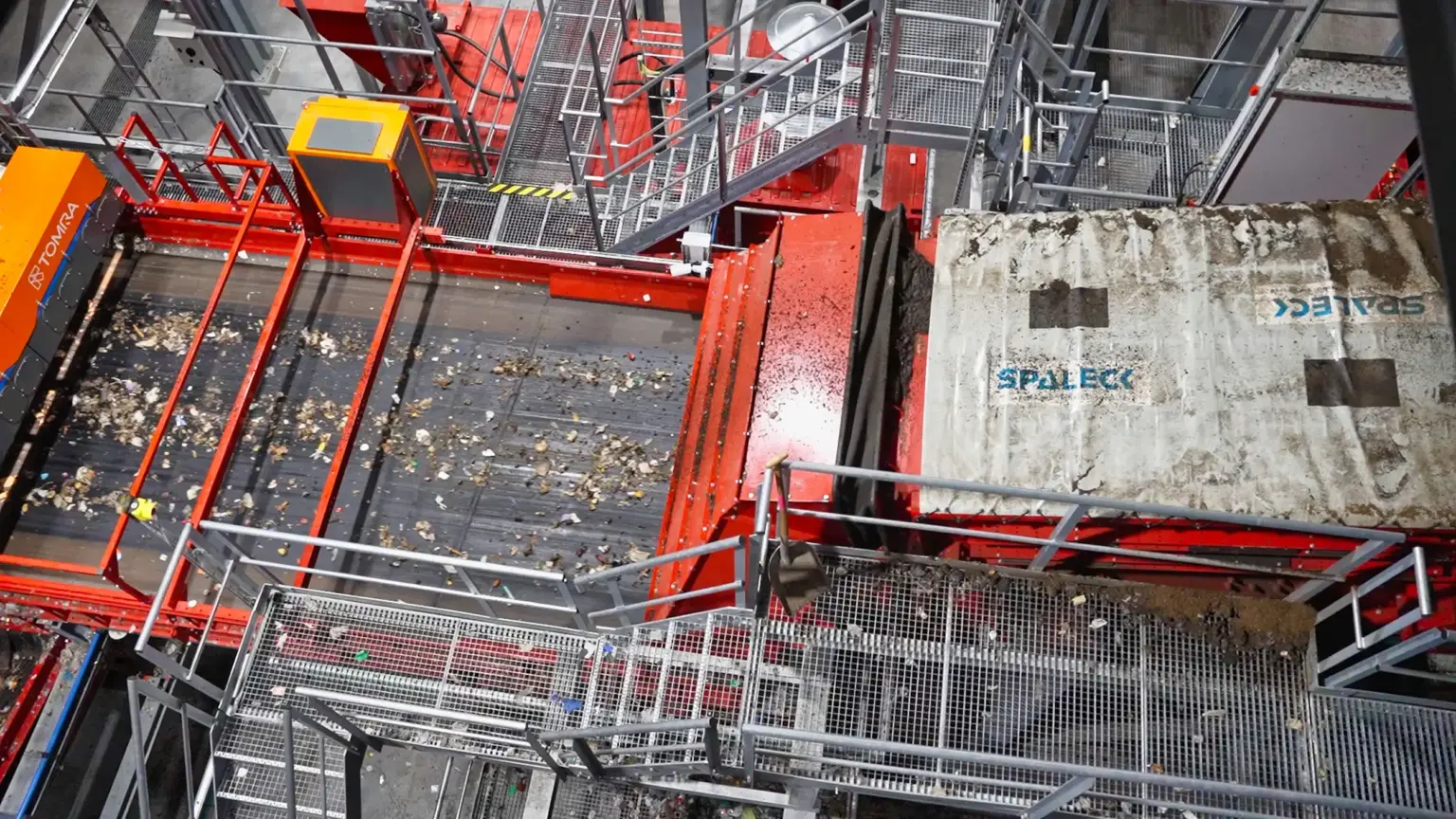
Large municipal solid waste processing plant featuring NIR sorting technology and SPALECK screening machines in the preliminary stage
Sorting Technology
NIR Near-Infrared Spectroscopy
Scalability
Good for high flow rates
Sorting Quality
Benefit from Screening & Feeding

Your Experts in NIR Sorting

Our team would be happy to advise you on NIR sorting and how SPALECK technology can help you get the most out of your NIR system.

BEST SCREENING. BEST INFEED. FOR THE BEST SORTING QUALITY.

Application examples of near-infrared sorting

Sensor sorting with near-infrared technology is suitable for a wide range of recycling materials. NIR sorting systems are widely used today. This is because they help to increase the accuracy and efficiency of recycling. Common areas of application are almost all types of recycled materials.

These include, among others:

We would be happy to advise you on how to optimize the recycling rate of your materials using NIR sorting and our SPALECK screening technology.

We also offer to test your materials in our TestCenter. Of course, you can further process the materials prepared in this way in the test centers of the manufacturers of NIR sorting systems. This is our daily practice. We will be happy to help you with this.

A man in a white shirt is pointing to the side; he is the contact person.
Do you have an idea for a project?

Quick & Easy Way to Achieve the Optimal NIR Sorting Process

Simply send us a photo of your material and the key details about the project, and we’ll get back to you right away.

Practical Example: Screening, Shredding, Sorting

How NIR Sorting Technology Benefits from Optimal Screening and Feeding

In the video, you can see one of Europe’s most modern household waste treatment facilities. The NIR sorting machines used benefit directly from their integration with SPALECK screening machines.

You are currently viewing a placeholder content from YouTube. To access the actual content, click the button below. Please note that doing so will share data with third-party providers.

More Information

Film processing with NIR sorting equipment—SPALECK screening machines first deliver the optimal fractions for accurate material detection

Sensor sorting using near-infrared spectra

What is an NIR sorting system?

NIR sorting systems are fully automated sorting systems that sort a wide variety of materials according to their near-infrared spectrum. They belong to the group of sensor-based sorting systems. In recycling, it is a modern and established technique for reliably sorting materials according to their molecular composition. This depends largely on the interaction of the recycling technologies used. For example, screening machines, feed hoppers and vibratory feeders carry out elementary preparatory work so that NIR sorting can be carried out economically.

Recycling plant with a conveyor belt for NIR sorting of materials.

Near-infrared spectroscopy

How does NIR sorting work?

In NIR sorting, the recycling material is fed to the NIR sorting plant via a conveyor belt. A light source installed above the conveyor belt irradiates the various recyclable materials with infrared light. This physical analysis technique uses infrared rays in the 760 – 2500 nm range. Depending on the material, more or less of the wavelengths are reflected. The NIR sorting device assigns the individual piece of material to a specific material class based precisely on this information about which wavelengths are absorbed or reflected.

You are currently viewing a placeholder content from YouTube. To access the actual content, click the button below. Please note that doing so will share data with third-party providers.

More Information

The interplay of technology makes the difference

How can I improve the results of my NIR sorting system?

The aim and necessity of recycling is to process large volume flows in the best possible way. This is necessary so that recycling can be carried out economically. Thanks to the technical design and the screening machines and vibratory feeders specially designed for your recycling process, your NIR sorting machines are fed very consistently. This enables very high throughputs. At the same time, it enables the materials to be separated so that the NIR technology can detect them optimally. This gives you a monolayer with a feed width matched to the NIR device. This ensures optimal feeding and excellent separation results.

You are currently viewing a placeholder content from YouTube. To access the actual content, click the button below. Please note that doing so will share data with third-party providers.

More Information

PET, HDPE, PP, LDPE, PA

High-performance near-infrared sorting

Recycling has made great progress in recent years. The further development of the state of the art has played a major role in this.

For a more sustainable future and to meet the increasing legal requirements for recycling, NIR systems are becoming ever more powerful in this context.

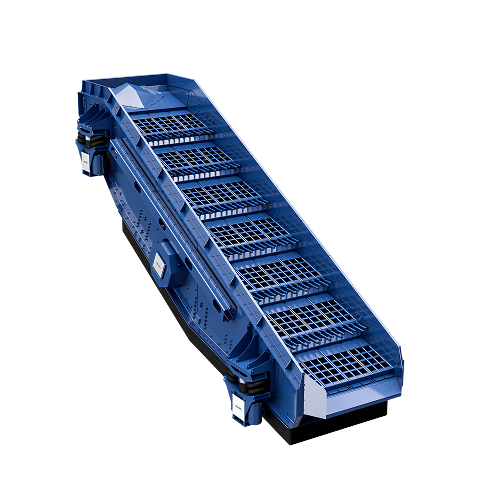
A tension-shaft screening machine (Flip-Flow screen) located upstream of a sorting machine at a household waste recycling facility. The SPALECK tension-shaft screening machine produces precisely screened material. Screening out the fine particles helps ensure that the subsequent sensor sorting (Tomra Machine) can function optimally.

Advantages

  • Fast and accurate sorting of recycling materials
  • Cost-efficient, provided the material is optimally fed onto the NIR sorting device
  • Adaptable to changing material compositions
  • Good scalability for large volume flows
  • Can be combined with other recycling technologies such as laser technology, electromagnetic sensors, X-ray technology and X-ray sorting
  • Also suitable for small particle detection
  • High purity levels of the sorted fractions

Disadvantages

  • Relatively high initial investment
  • Cost-effectiveness requires high throughput and full utilization of the machine’s width (in this regard, SPALECK offers tried-and-true concepts for optimal feeding of NIR sorting machines)
  • Risk of caking and sticking depending on the material
  • More demanding maintenance and calibration
Test Center for Screening Machines and Recycling Technology at SPALECK, the manufacturer

NIR Sorting – Why the Type of Material Matters

Optimize Your NIR Sorting Process at the SPALECK TestCenter

Modern NIR sorting devices can be real high performers and game changers in terms of sorting quality. In practice, it is clear that a holistic view of the recycling process is crucial. Specifically, it is fundamentally important to design the material feed, the screening process and the feed to the NIR sorting devices in the best possible way. SPALECK is the right partner for this!


With the help of our SPALECK TestCenter, our close collaboration with leading manufacturers of NIR equipment, and the experience we’ve gained from numerous international customer projects, we can work with you to implement high-performance recycling processes using state-of-the-art conveying and separation technology.

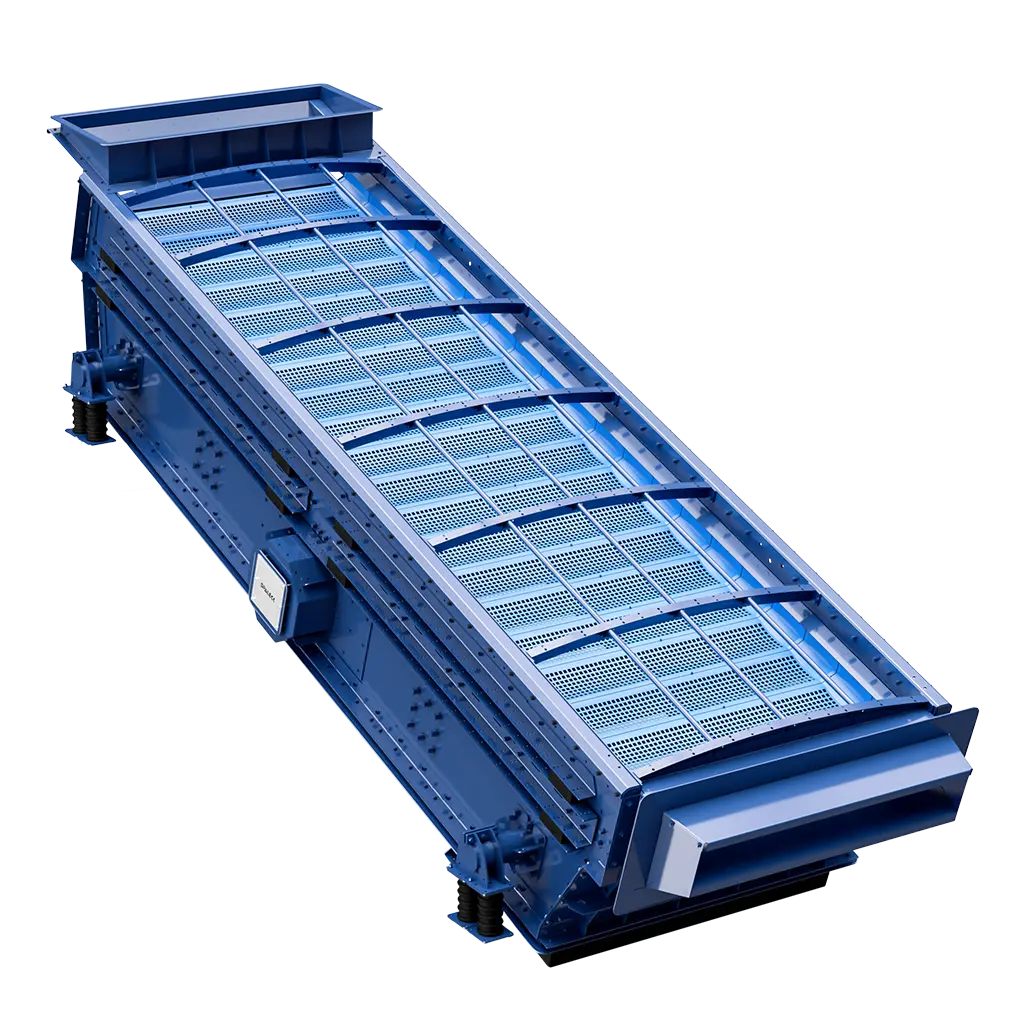
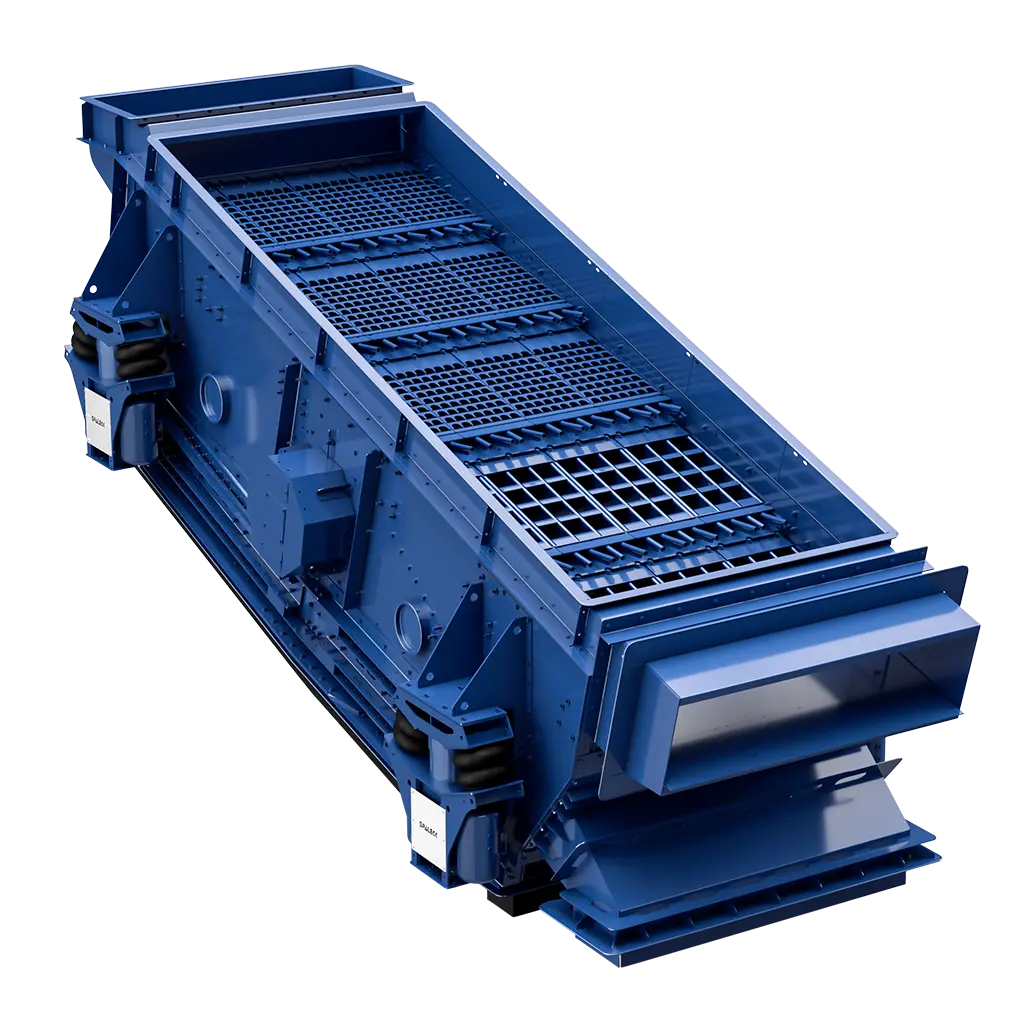
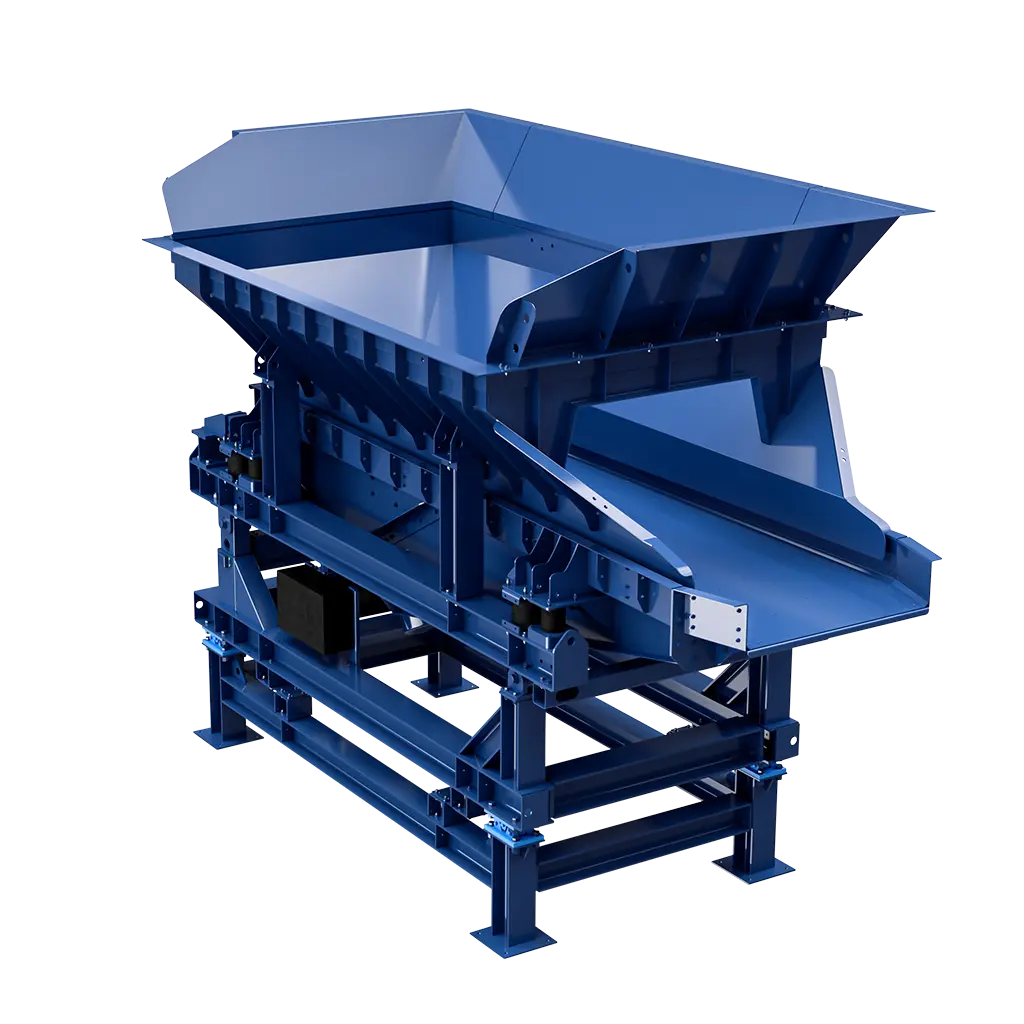
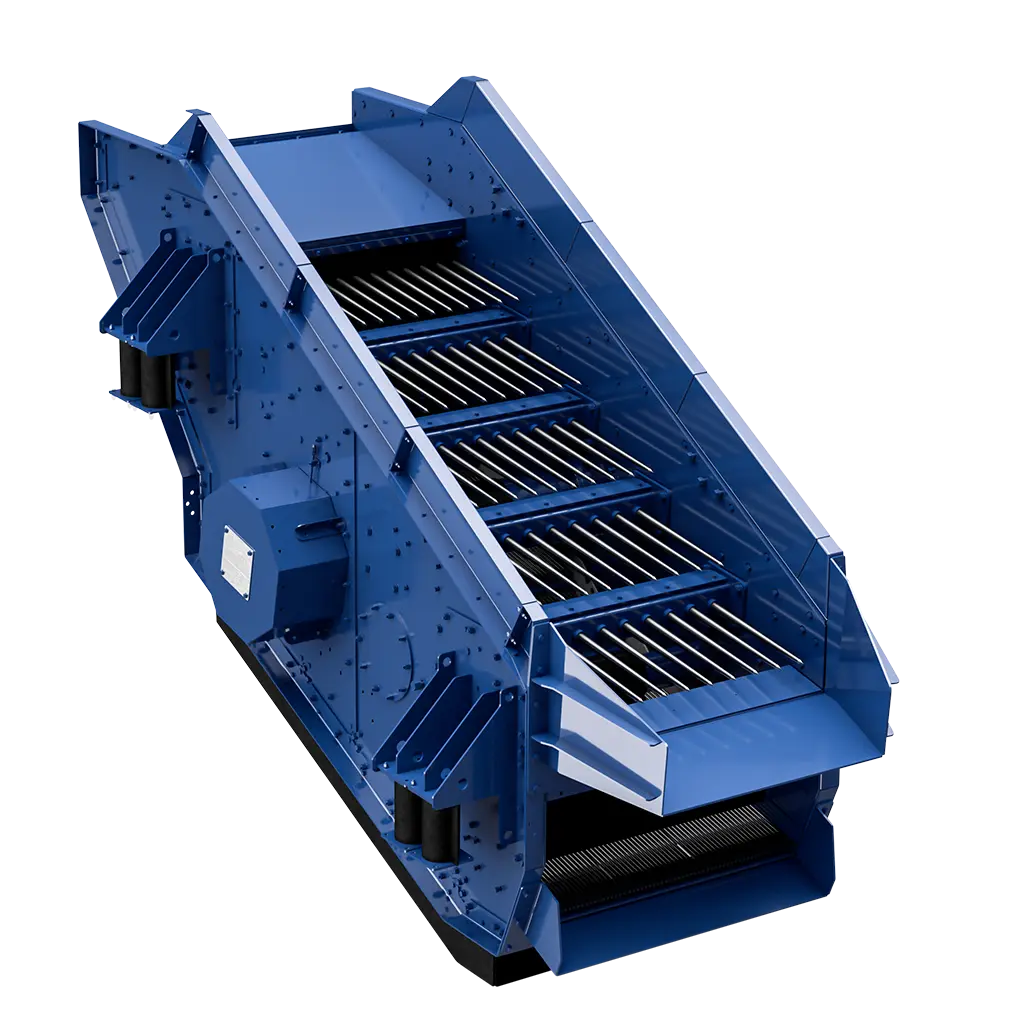
Our Spaleck Best Sellers for Recycling

The optimal technology for every type of recyclable material

All About Spaleck

You might also be interested in
careereducation
CSR
From Iris Stenkamp
Bulky wasteModularDESIGN+Substitute fuel
Conveying & Separation Technology, General
From Dominik Becker
filtrationGravel filterRetrofit
Water technology
From Iris Stenkamp
READY FOR BETTER SCREENING
Together, we'll optimize your recycling process