











Chat

Screening machines

Drum screening

Trommel screens are used for the simple classification of screened materials. As a manufacturer of screening machines, we recommend modern screening technology as an alternative for optimal screening results.

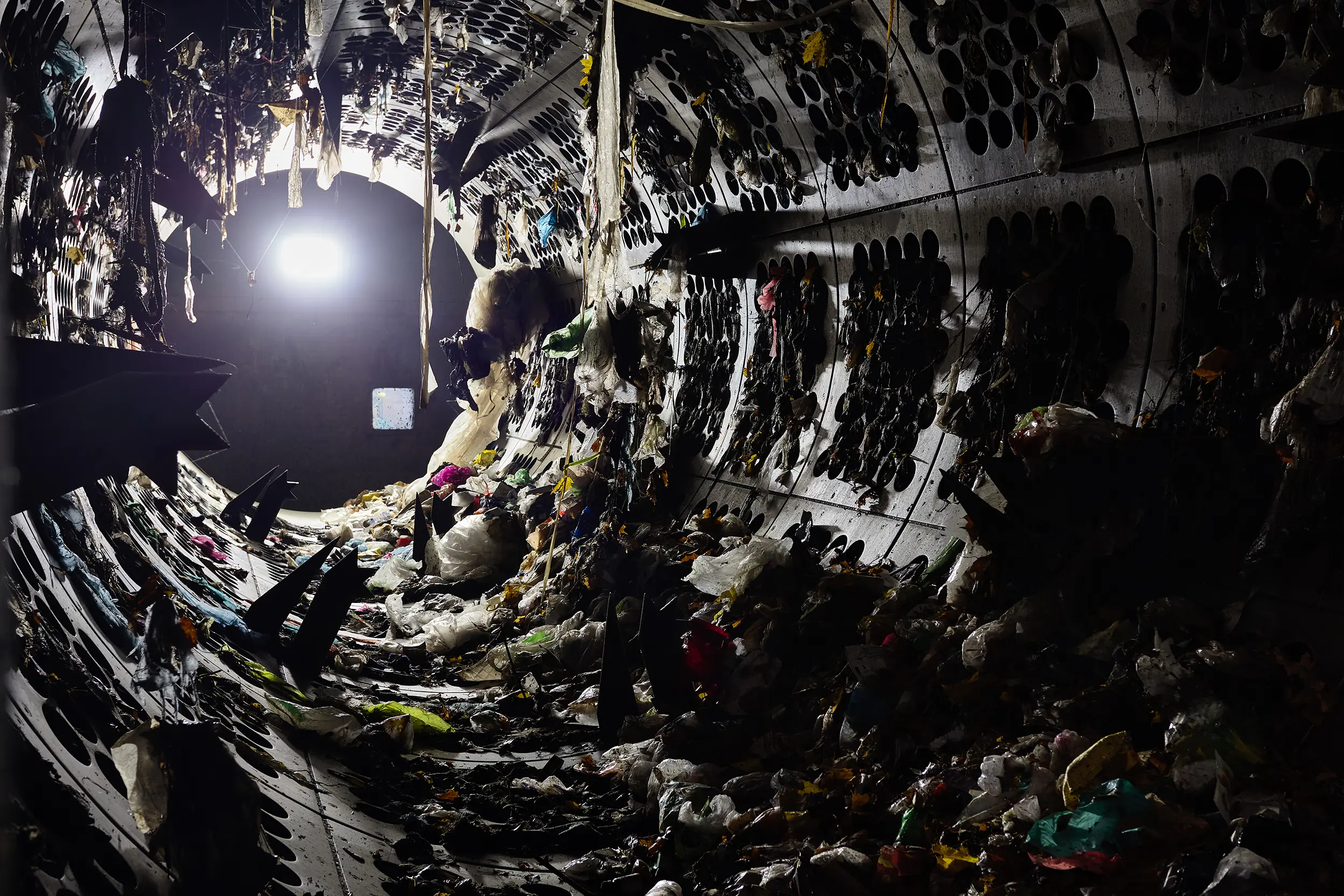
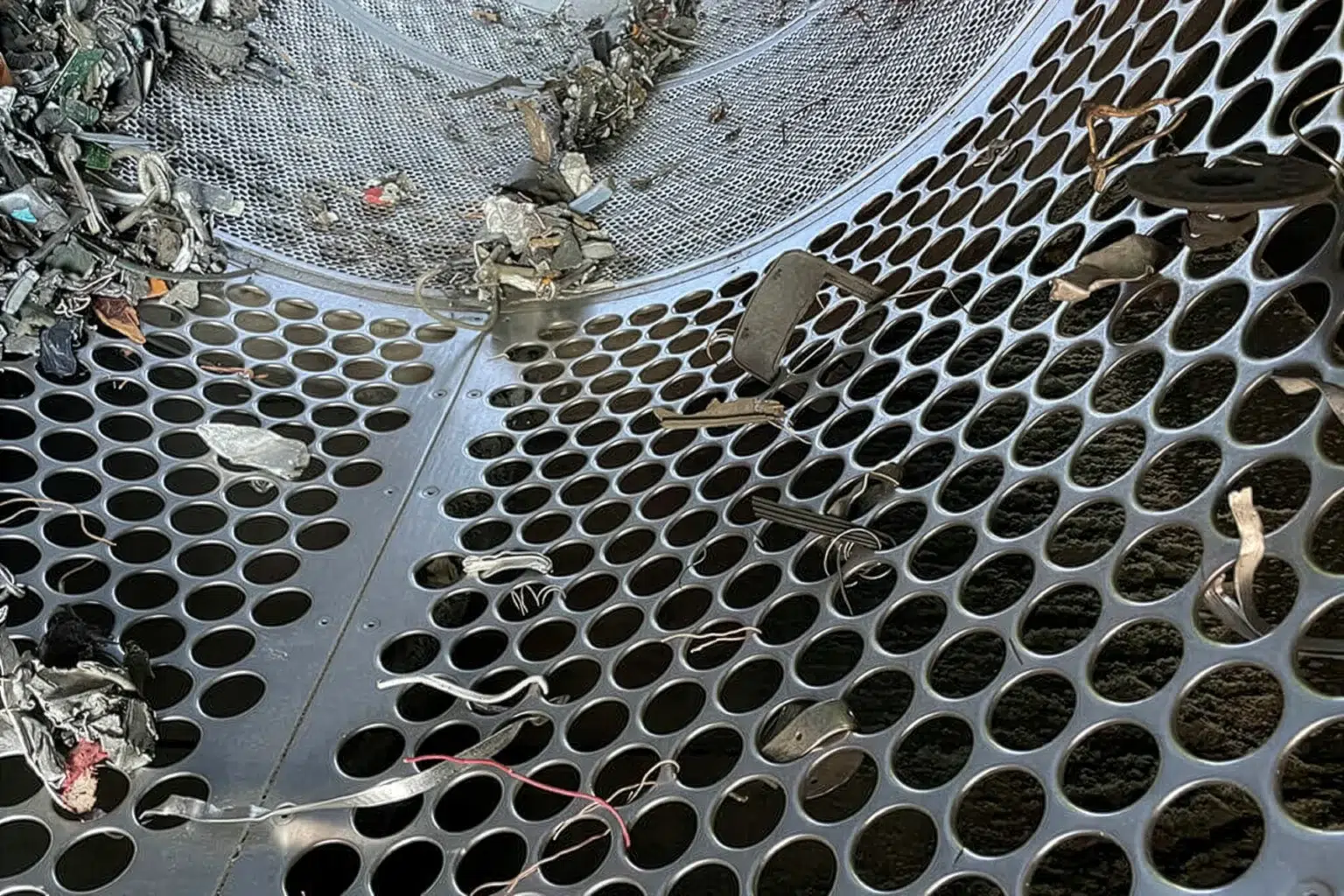
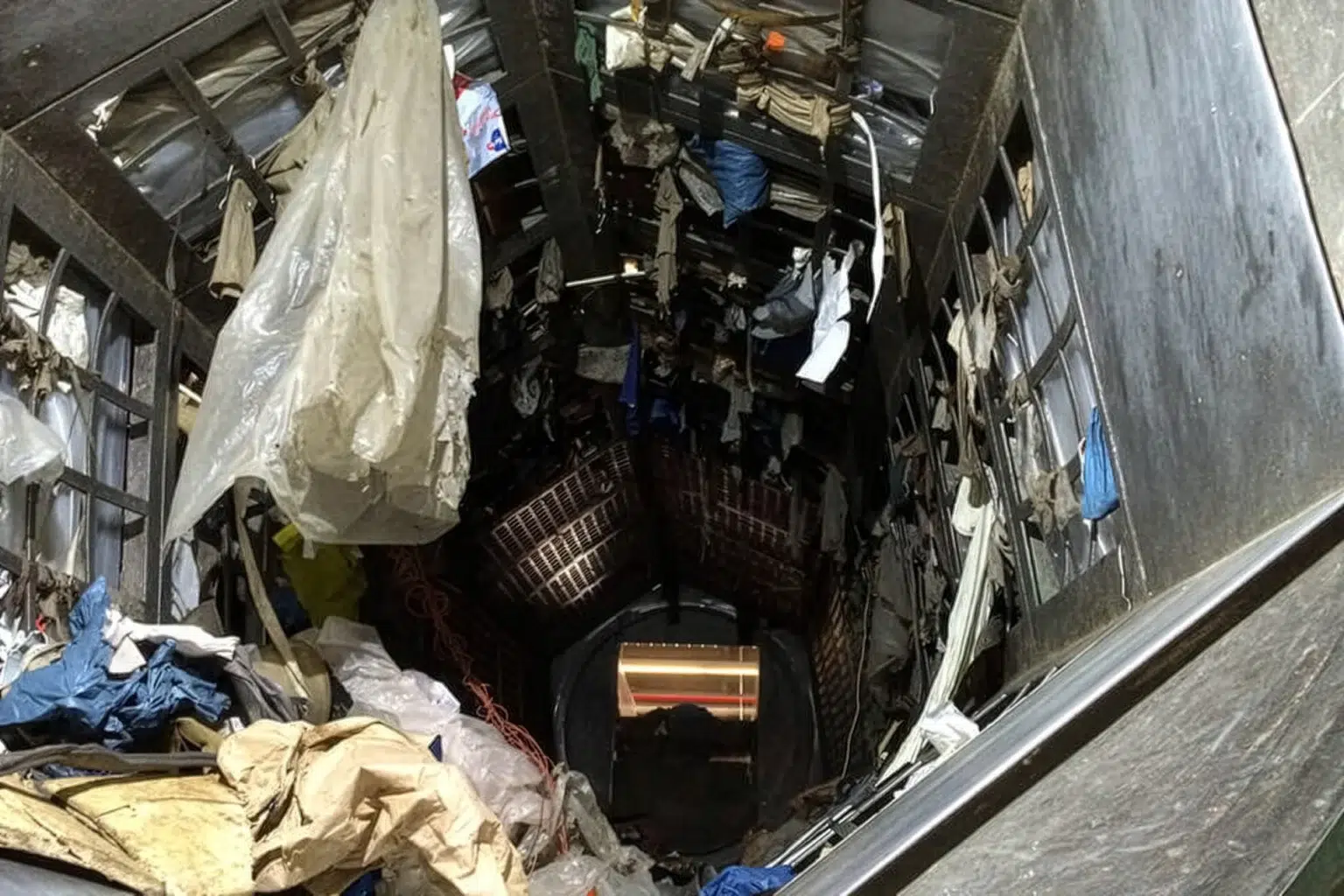
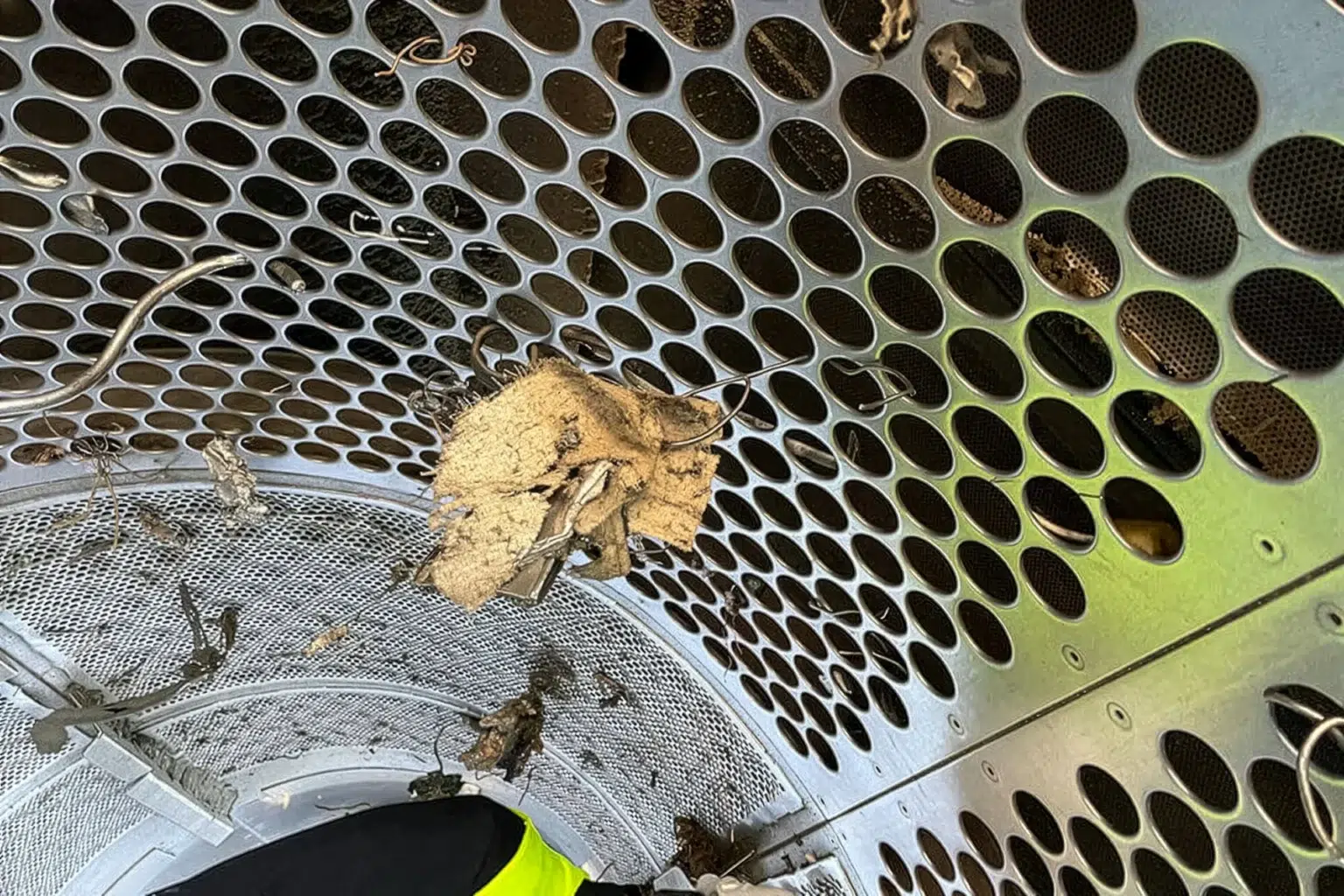
A look inside a dirty trommel screen

Your Experts in Screening Technology

Our team would be happy to advise you on SPALECK screening technology. Just get in touch with us!

Simple screening technology with significant drawbacks

What are drum screening machines?

Drum screens belong to the family of screening machines. They are also referred to as drum screens, drum screening systems, screening drums, or rotary tube screens. Drum screens are used for the screening process for various materials, thereby separating them by size. This process is also known as classification or classification screening.

They consist of a long, cylindrical drum that rotates around its own axis and is equipped with screen perforations or screen plates. As the material rotates, smaller particles are allowed to fall through the perforations, while larger material is discharged from the drum.

Although drum screens are relatively well known in practice due to their long history, they present users with significant disadvantages during screening of recycled materials. These include, in particular, low separation efficiency and poor screening quality, the resulting high maintenance and cleaning costs, and the substandard feed of recycled materials to downstream sorting equipment such as Magnetic sorters or sensor sorters.

As your manufacturer of screening machines that deliver optimal screening results, we offer you top-quality alternatives for replacing drum screen systems. We’d be happy to advise you on this!

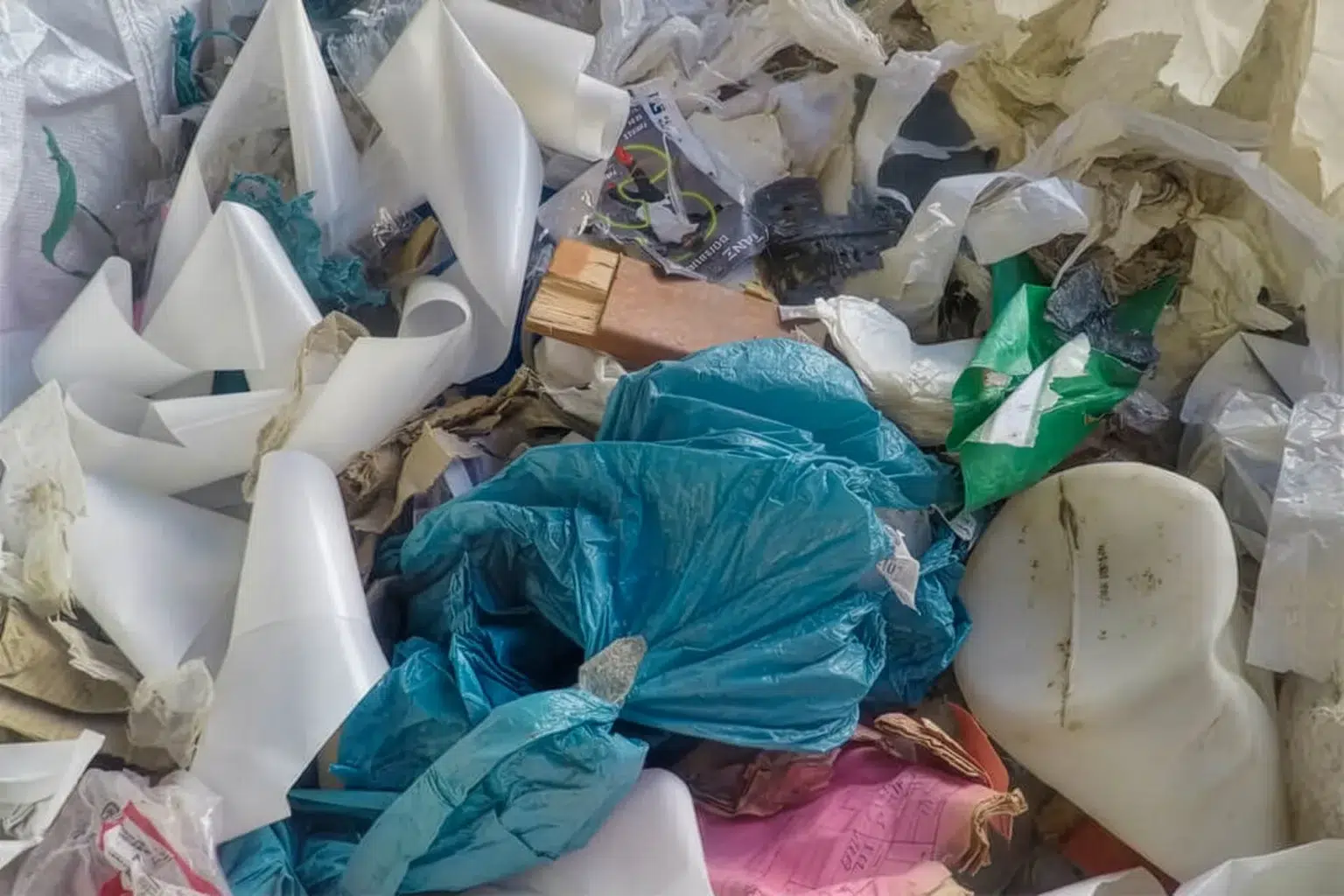
Close-up photo of commercial waste

Typical Applications of Drum Screening Systems

What are trommel screens used for?

Drum screens are used, among other things, for screening rocks and soil, recycled materials, and waste. Typical applications include screening municipal solid waste, compost, Biomass, and scrap metal.

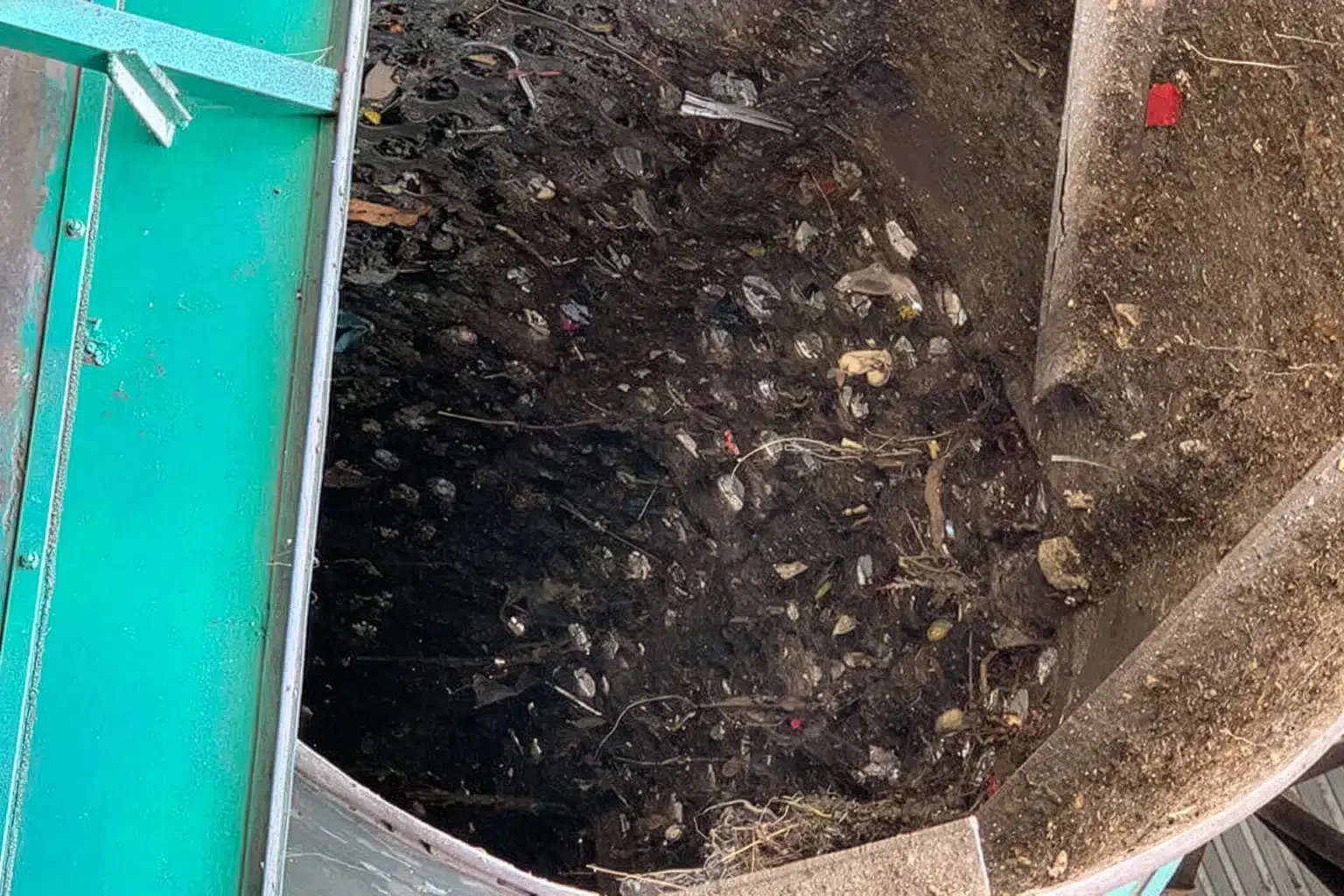
A drum screen filled with soil and organic material.

Maintenance and Cleaning Effort

How much maintenance do drum screens require?

Maintenance requirements for Drum screens can be significant, particularly due to their susceptibility to Blockages. Regular inspections, cleaning, and possibly repairs are necessary.

Advantages of Drum Screening

What are the advantages of trommel screens?

The key advantages of drum screens include the following:

  • a relatively simple technique
  • suitable for less demanding material processing
  • average throughput rates
  • Easy to use on the go
  • Requires minimal construction and installation support, making installation straightforward
Interior view of a drum screen containing metal scrap.

Poor selectivity reduces sorting performance

Why shouldn’t drum screens be used when high sorting quality and profitability are the goals?

Due to their insufficient separation efficiency, drum screens and drum screening systems have difficulty achieving a high sorting quality. Especially in Recycling processes where precise separation of materials is crucial, drum screens can quickly reach their limits. Given the low sorting quality and the high cleaning costs, the reduced profitability of the entire Recycling process must also be taken into account.

Interior view of a Drum screen with various materials.

How Trommel Screens Work

How do trommel screens work?

The operating principle of a drum screen is based on the continuous rotation of the drum around its own axis. During screening, the material to be screened is fed into the drum. Due to a slight downward slope, the material is transported during the screening process from the feed end to the discharge end of the screening drum. Particles that pass through the perforations in the screening drum are thus pushed outward and screened out. Larger particles, on the other hand, remain inside the screening drum until they are fed to the next processing step at the end of the drum.

Disadvantages of Drum Screening

What are the disadvantages of trommel screens?

The main disadvantages of drum screens include the following:

  • Poor screen quality
    The main criticism of trommel screening machines is the poor screening quality and insufficient selectivity during screening and sizing.
    Due to the design and operating principle of the trommel screen, a high proportion of oversize particles is found in practice. This means that, for example, long pieces that are harmful to the downstream sorting equipment end up in the fine fraction. Or, to take the example of compost screening, where unwanted long pieces end up in the fine fraction or screen output as the desired premium product passes through the drum screen.
  • Material entrainment of the fine fraction
    The rotation principle of the drum screen inevitably results in the fines being carried over into the coarse fraction or screen overflow. This is the case, for example, when film waste is sieved. Due to their physical material properties, these tend to become entangled during rotation. This prevents clean separation of the fines that get caught up in it.
  • Tufting of the recycling materials
    Also due to the technical design, tangling of the material occurs in practice when screening inhomogeneous and windable materials. As the recycled materials are constantly twisted, they intertwine and are “braided like a plait.” On the one hand, these strands contaminate the drum, and on the other hand, they cannot be further processed or recycled in the subsequent recycling process.
  • Clogging of the sieve surfaces
    In addition, trommel screen systems are very susceptible to clogging, which impairs the screen quality and increases the cleaning effort. Unlike 3D screens, for example, long parts are not prevented from getting stuck in the screen deck. Instead of being transported to the end of the sieve, these tend to get stuck and further reduce the quality of the sieve.
  • Increased maintenance and cleaning effort
    Due to the aforementioned disadvantages of trommel screening machines, their maintenance and cleaning costs are generally much higher than for a recyclable material screen. This usually results in multiple cleanings each day and, consequently, downtime (see the user example on compost screening)
A close-up view of the interior of a Drum screen. It is clear that as the material is agitated, long pieces may accidentally fall into the target fraction.

Worse results in the subsequent sorting

Why do downstream sorting devices, such as sensor or Magnetic sorter, perform less effectively when the target fraction contains unwanted long pieces and mis-sized particles?

Sensor-based sorting machines and magnetic sorting technology are sensitive, high-performance sorting machines whose sorting quality and return on investment depend significantly on the quality of the feed material.

The rule is: The better the quality of the material fed into the screen, the better the performance of the sorting technology. In short: Best Screening = Best Sorting.

The operating principle of sorting devices, such as sensor-based or magnetic sorters, is based on the specific properties of the material being sorted. These include, for example, density, color spectrum, or magnetic properties. These sorting devices only perform effectively if these properties are easy to detect.

However, if unwanted contaminants enter the target fraction—for example, due to mis-sized grains, long pieces, or sand and dirt —it is nearly impossible for sorting machines to achieve precise separation.

So if the use of trommel screens results in long pieces being carried over into the fine fraction, the sorting machines often face the problem that they cannot clearly distinguish between shapes, lengths, and materials. This results in unintended—but, due to the Screening technology used, unavoidable—mixing and contamination of the material.

Sorting technology experts confirm that long pieces significantly impair sorting results.

WE INVITE YOU - GAIN THE CLEAREST VIEW OF YOUR MATERIAL

Test your material in the SPALECK Test Center

Would you like to improve your recycling results or optimize your Screening process or sorting processes? If so, we cordially invite you to a trial day at the SPALECK TestCenter with your material. Take advantage of this free SPALECK service and benefit from our philosophy. “BEST SCREENING. BEST INFEED. FOR BEST SORTING QUALITY.”

A man in a white shirt is pointing to the right with his finger

The tip for your project

Innovation HUB FOR YOUR RECYCLING PROJECT

RECOMMENDED BY LEADING RECYCLERS

Put SPALECK technology through its paces. With your material and on two top-equipped Recycling lines. In the TestCenter, we develop solutions for demanding recycling tasks on a daily basis – always together with and for our customers.

Videos of screening tests

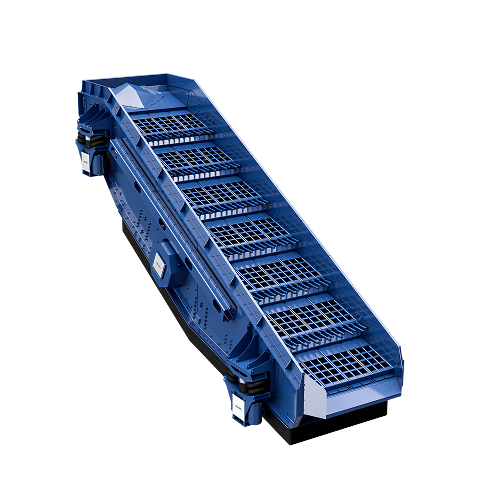
Our Spaleck top sellers For recycling

The optimum technology for every recycling material

READY FOR BETTER SCREENING

Together, we optimize your recycling process