
Chat

ActiveFEED Retrofit Electronic Waste

How the optimized material feed with ActiveFEED measurably improves sensor sorting in electronics waste recycling

At its Regensdorf facility, our client, Immark AG, uses the SPALECK ActiveFEED feed hopper to optimize material feed into the sensor sorting system. The goal of the retrofit project was to upgrade the existing system so that different material streams could be processed very reliably and, for the first time, at a defined throughput.

The focus is on the offline sorting of electronic waste—which involves a wide variety of materials and ever-changing requirements for sorting technology.

SPALECK ActiveFEED in electronic waste processing at the recycling company IMMARK AG—the ActiveFEED helps optimize sorting results

Optimized Utilization of Sorting Equipment

Highly precise dosing

Optimized Handling

Fully automatic for each material

Pure flexibility

Recipes for Every Type of Material

PROJECT PROFILE

Sensor Sorting in Electronics Waste Recycling

One of the most modern recycling facilities for electronic waste and WEEE in Europe—designed for highly automated operation with high throughput and maximum material recovery.

Customer

Immark AG, Switzerland

Application

Offline Sorting of Electronic Waste

Materials

Non-ferrous metal blends, cables, printed circuit boards, VA blends

Process

Sensor sorting with a downstream sorting booth

Project Type

Retrofit of an Existing Material Feeder

SPALECK SOLUTIONS

IN ACTION

Immark uses these SPALECK machines

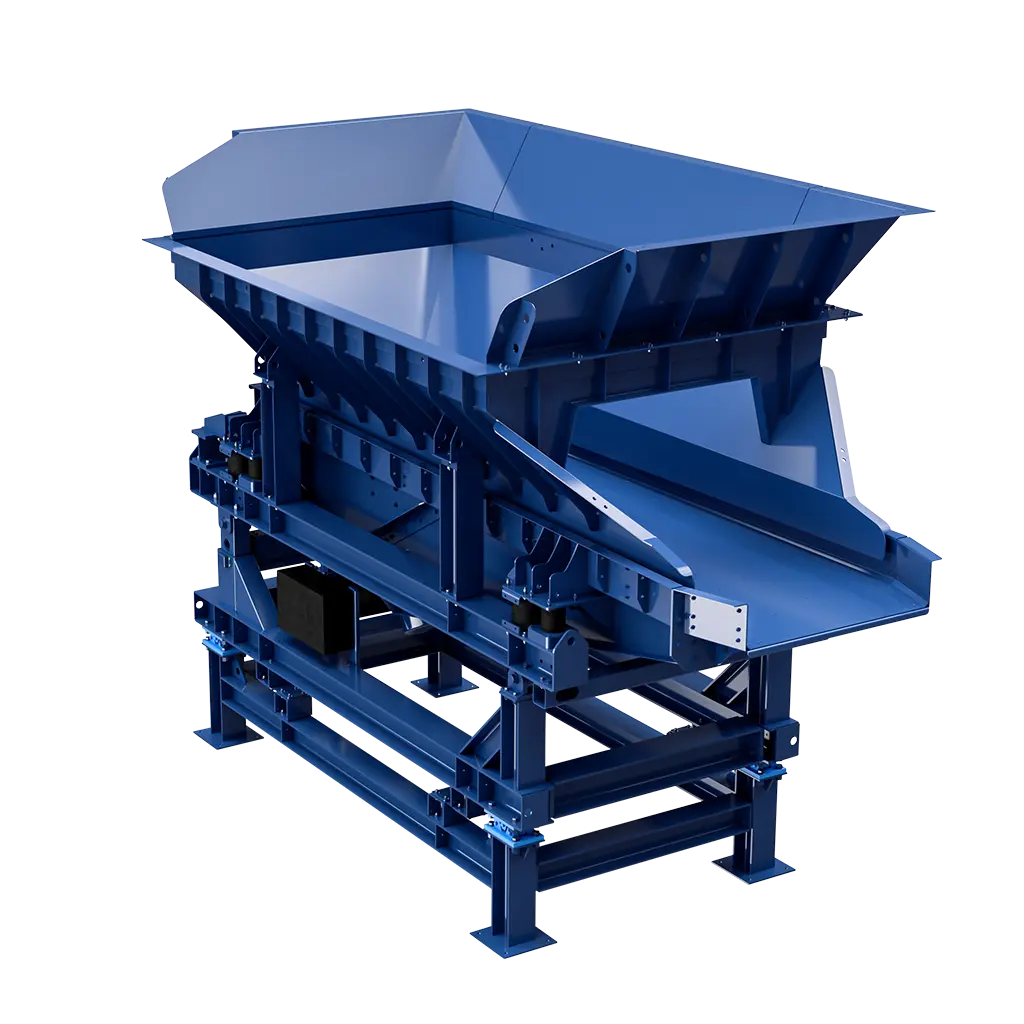
ActiveFEED allows you to optimize the material feed to sorting machines with the push of a button.

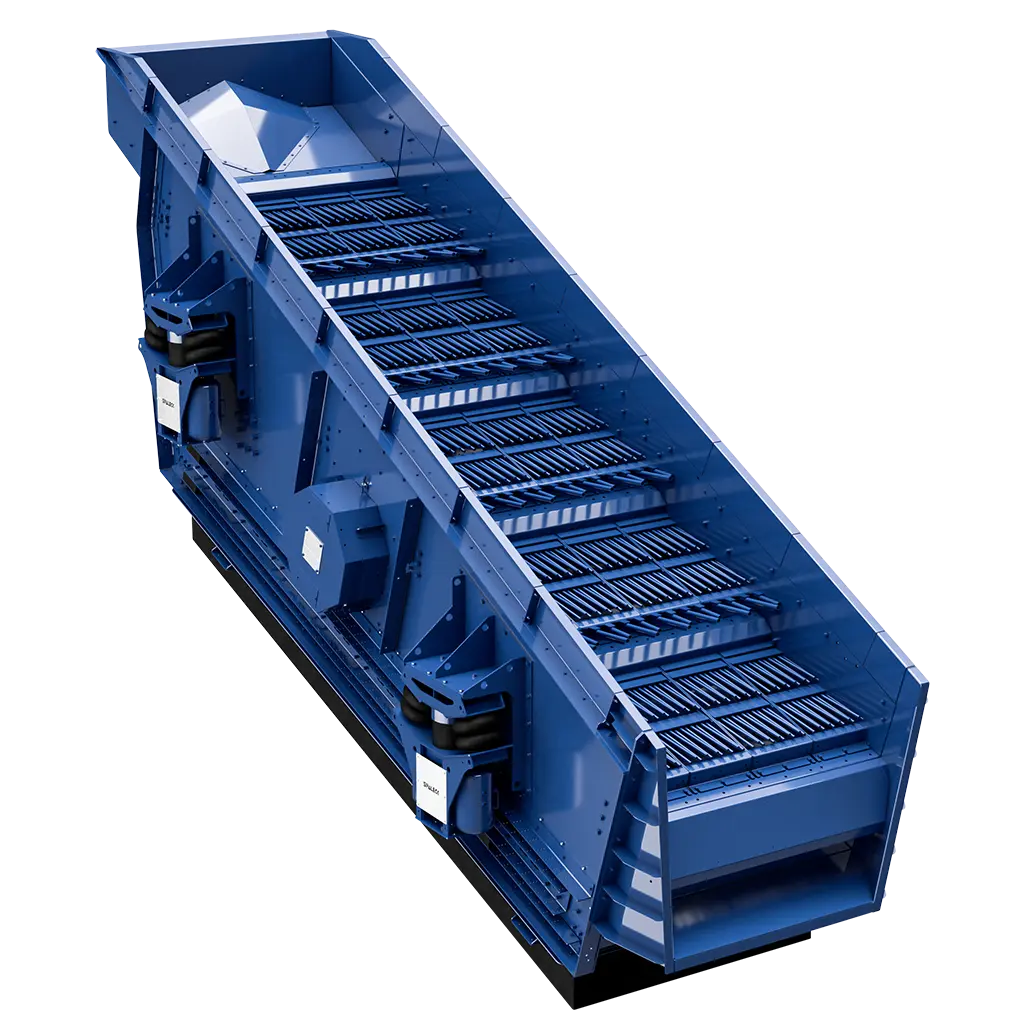
SPALECK 3C COMBI Screening Machine

Screening machines

In its first project, Immark modernized its e-waste processing facilities at its Regensdorf site. You can find information about the project here:

THE INITIAL SITUATION

Different materials, varying throughput requirements

In its offline sorting process, Immark processes a wide variety of material streams—from cables to mixed non-ferrous metal fractions.

These materials place different demands on the feeding system:

Recycled electronic waste prior to sorting
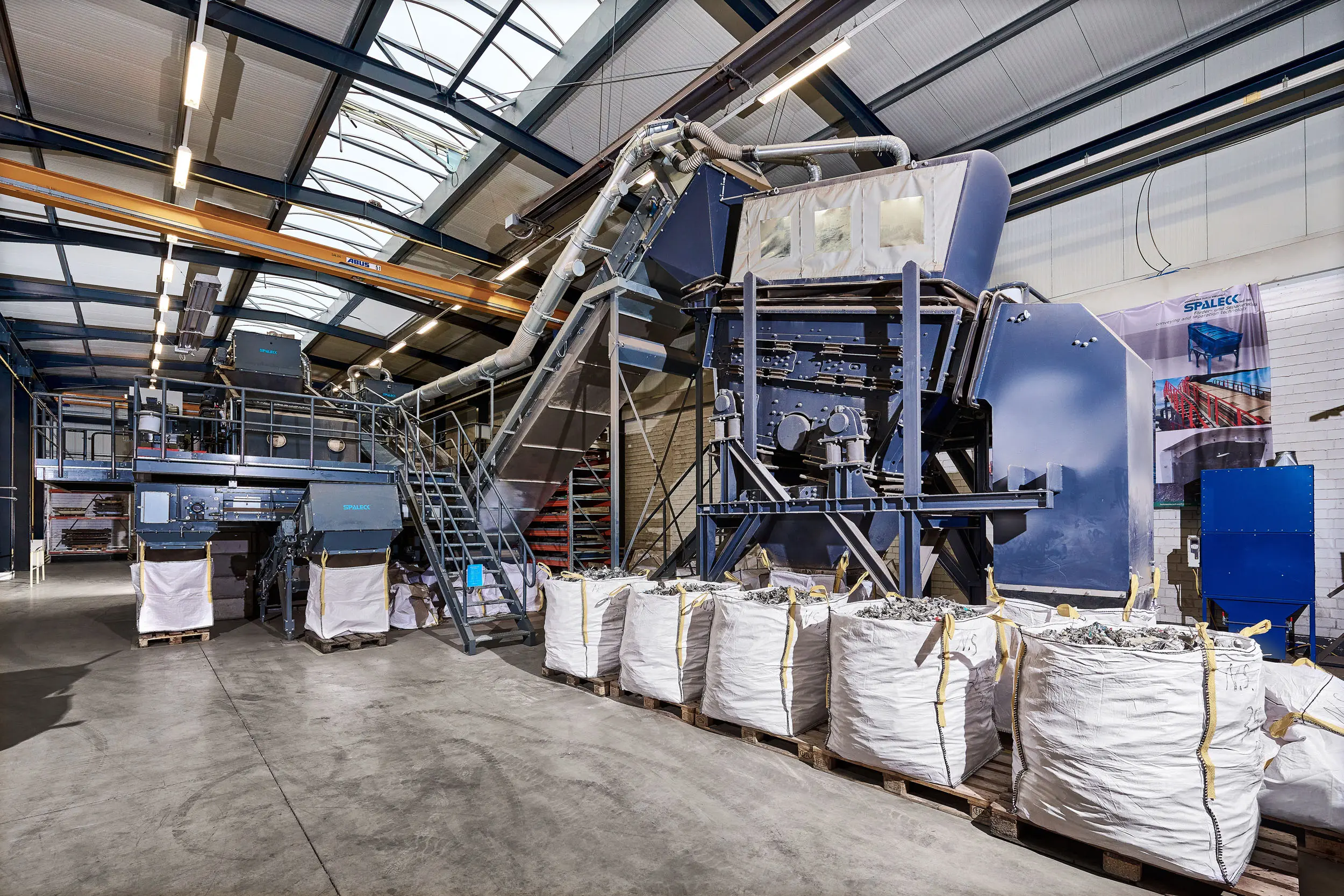
SPALECK ActiveFEED at an e-waste recycling facility—here, it supplies the sorting equipment with the optimal amount at the push of a button

Project Goal

Controlled Material Feed for Varying Sorting Requirements

The goal of the project was to design the material feed system so that it could be flexibly adapted to different materials and process requirements.

The focus was on:

Filling an SPALECK ActiveFEED at the IMMARK recycling plant

The Spaleck Solution

ActiveFEED as a controllable interface to sorting technology

With the retrofit of the SPALECK ActiveFEED, the existing feed system was replaced with a system that actively controls the material flow.

The material feed is no longer controlled manually, but rather based on predefined parameters and recipes. Depending on the material, the optimal amount for sorting is fed into the system.

Customer Benefits

Here's what Immark has to say about the ActiveFEED solution

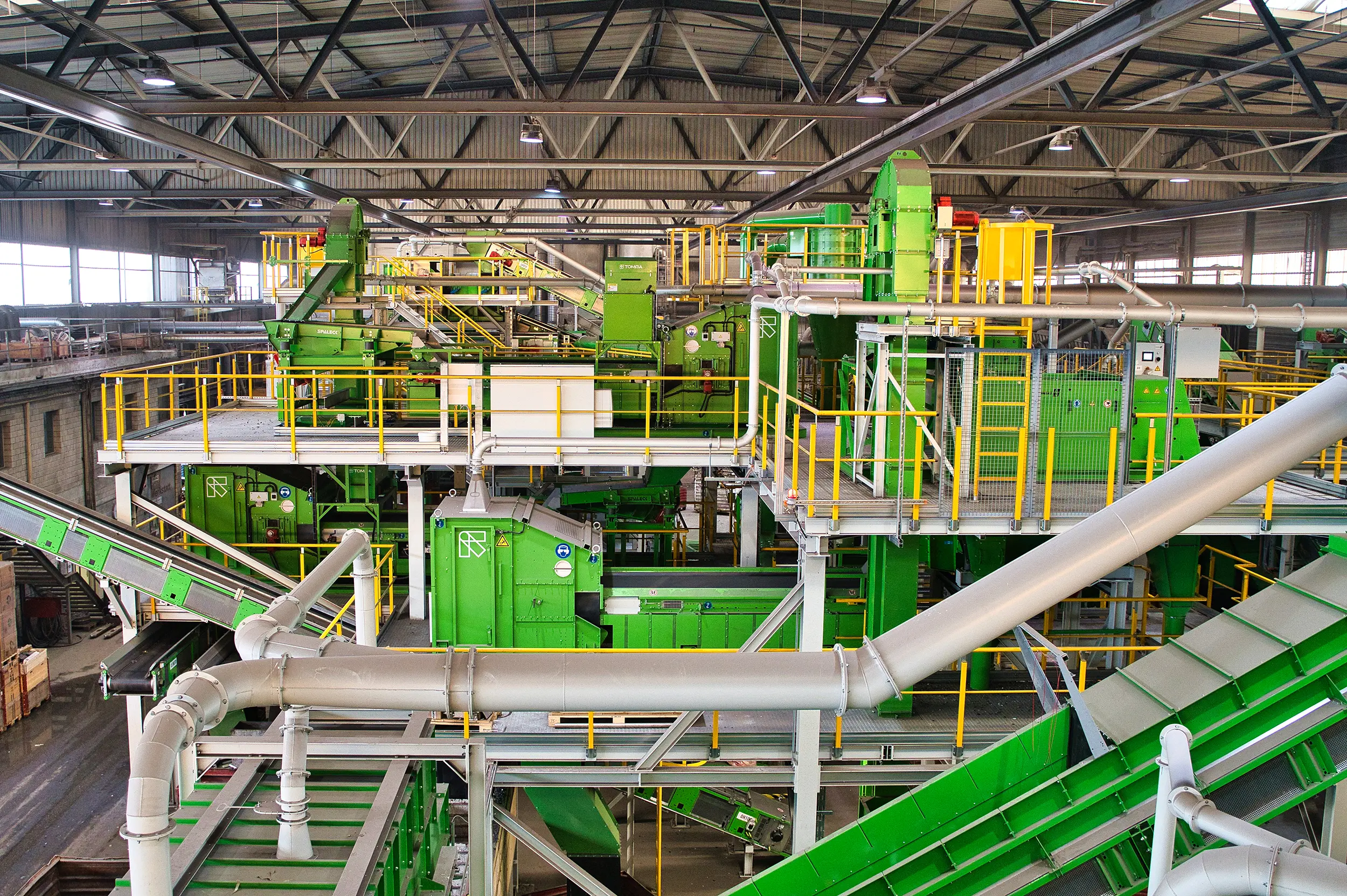
SPALECK conveyor chutes feed a TOMRA sensor sorting machine in an electronics waste recycling facility

IMPLEMENTATION

Retrofit without altering the existing process logic

The ActiveFEED was integrated into the existing system and replaces the previous feeder.

Today, material feeding is controlled via preset settings. The plant operator selects the appropriate material—ActiveFEED automatically handles the corresponding feeding process.

Recycled electronic waste is sorted by material—here, pure aluminum

PROJECT RESULTS

Higher throughput, better sorting quality, and no clogs

The new material feed changes the behavior of the entire sorting line.

COST-EFFECTIVENESS

Getting More Performance from Existing Sorting Technology

In modern recycling, sensor sorting is one of the most expensive components to purchase. It is therefore crucial that these systems operate at optimal capacity during daily operations and that optimal sorting performance is ensured.

Thanks to the controlled material feed:

Feedstock for sensor sorting at the electronic waste recycling company Immark AG in Switzerland. ActiveFEED makes it very easy to optimize material feeding.

TRANSFERABILITY for Your Processing

Relevance for Complex Sorting Processes

The project demonstrates how the material feed affects the performance of sorting systems.

In particular, the solution can be applied to:

SPALECK conveyor chutes feed a TOMRA sensor sorting machine in an electronics waste recycling facility
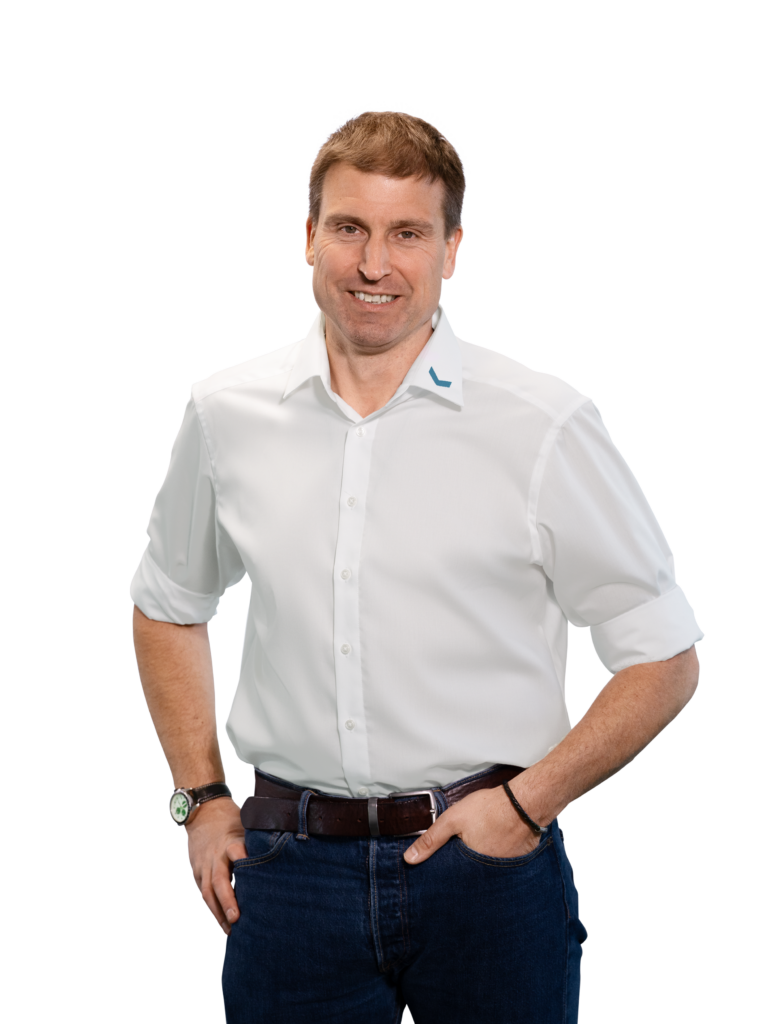
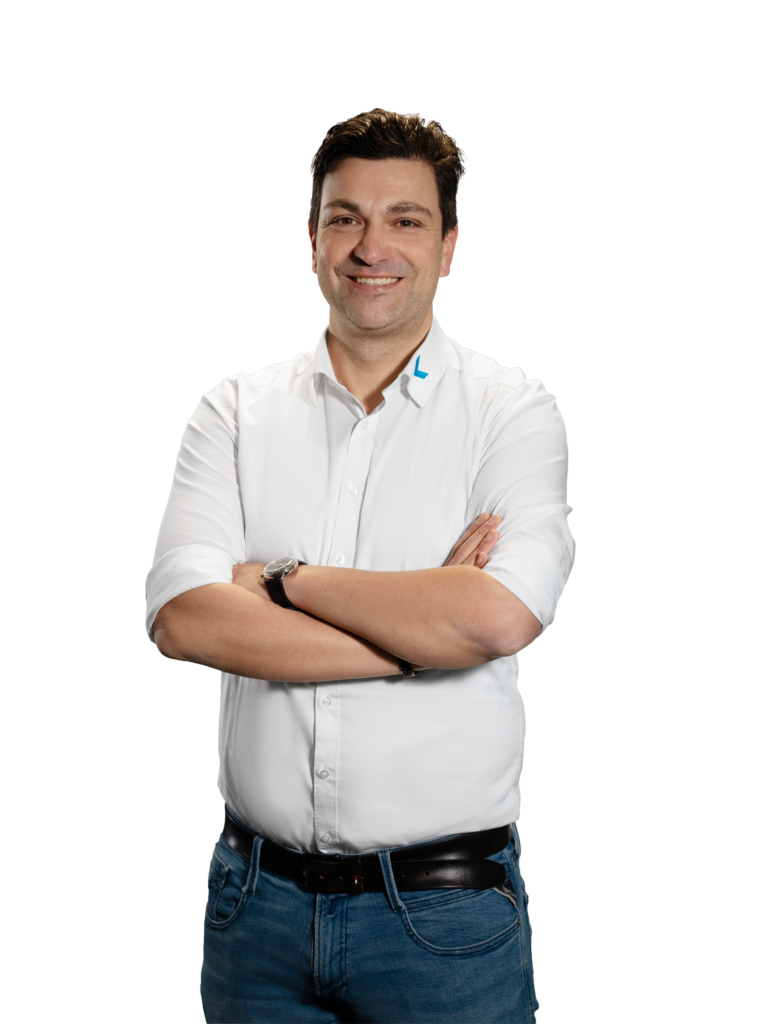
A man in a white shirt is pointing to the side; he is the contact person.

Discuss with our experts in screening technology and material feeding

Discuss the next step now

Would you like to learn more about our optimized material feed system for electronics waste recycling? Or do you already have a specific project in mind? Then let’s talk about your materials and your WEEE processing. I’d be happy to show you more references and use cases.

BEST SCREENING. BEST INFEED. FOR THE BEST SORTING QUALITY.

SPALECK Conveyor & Separation Technology in Action

Your contacts for optimal material feeding for electronic waste sorting

We would be happy to advise you in detail on how you can easily optimize your WEEE sorting with the help of ActiveFEED.

Everything You Need to Know

FAQs

Here you’ll find important questions and answers about ActiveFEED, the sorting quality and performance optimizer.

The ActiveFEED feed hopper pays for itself from day one, as it significantly increases the recovery rate of non-ferrous metals in metal recycling, for example. In many cases, the payback period is less than half a year. We would be happy to advise you personally on this matter. Examples such as STENA Recycling and KMR Recycling show you exactly how this works.

Switching to a SPALECK ActiveFEED feed hopper optimizes material feeding in recycling plants. The constant feed actively prevents sorting equipment from being overloaded or underfed. This improves the quality of sorting in the recycling process and, as a result, expands the options for recycling. Many recyclers report that this allows them to take their sorting to the next level. Take STENA Recycling, for example, as shown in this feedback video.

Yes, you can easily retrofit the SPALECK ActiveFEED feed hopper. Many of our customers are replacing their standard batch sizes and, as a result, achieving significantly better and more profitable sorting results. Check out this feedback from our client STENA to see how easy the replacement process is.

Yes, the ActiveFEED is ideal as a feeding system for X-ray sorting technology, such as XRF or XRT sorting. In XRF and XRT sorting machines, it enables fully automatic, continuous material feeding. This allows recycling companies to use ActiveFEED to automatically feed their sorting machines with the optimal amount of material for each specific sorting machine and type of recyclable material. This increases both sorting efficiency and volume. In addition, sorting quality can be significantly improved through optimal feeding. See also the case study by STENA Recycling and the recycling expert Skrotfrag.

The ActiveFEED infeed unit is available in sizes ranging from 2 to 50 m³. We would be happy to advise you on the optimal size for your recycling application.

READY FOR BETTER SCREENING

Together, we optimize your recycling process