











Screening machines
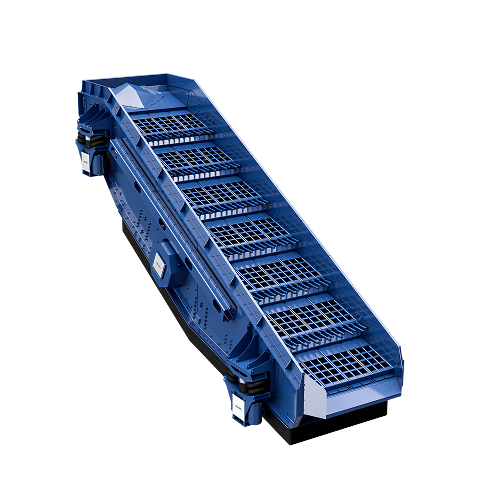
Drum screens are used for the simple classification of screened materials. As a manufacturer of screening machines, we recommend modern screening technology as an alternative for optimal screening results.
Our team will be happy to advise you on SPALECK screening technology. Just get in touch with us!
Simple screening technology with significant drawbacks
Drum screening machines belong to the family of screening machines. They are also known as trommel screens or trommel screen systems, as well as drum screens or rotary drum screens. Drum screening machines are used for screening different screening materials, i.e. separation according to size. This process is also known as classification or classification screening.
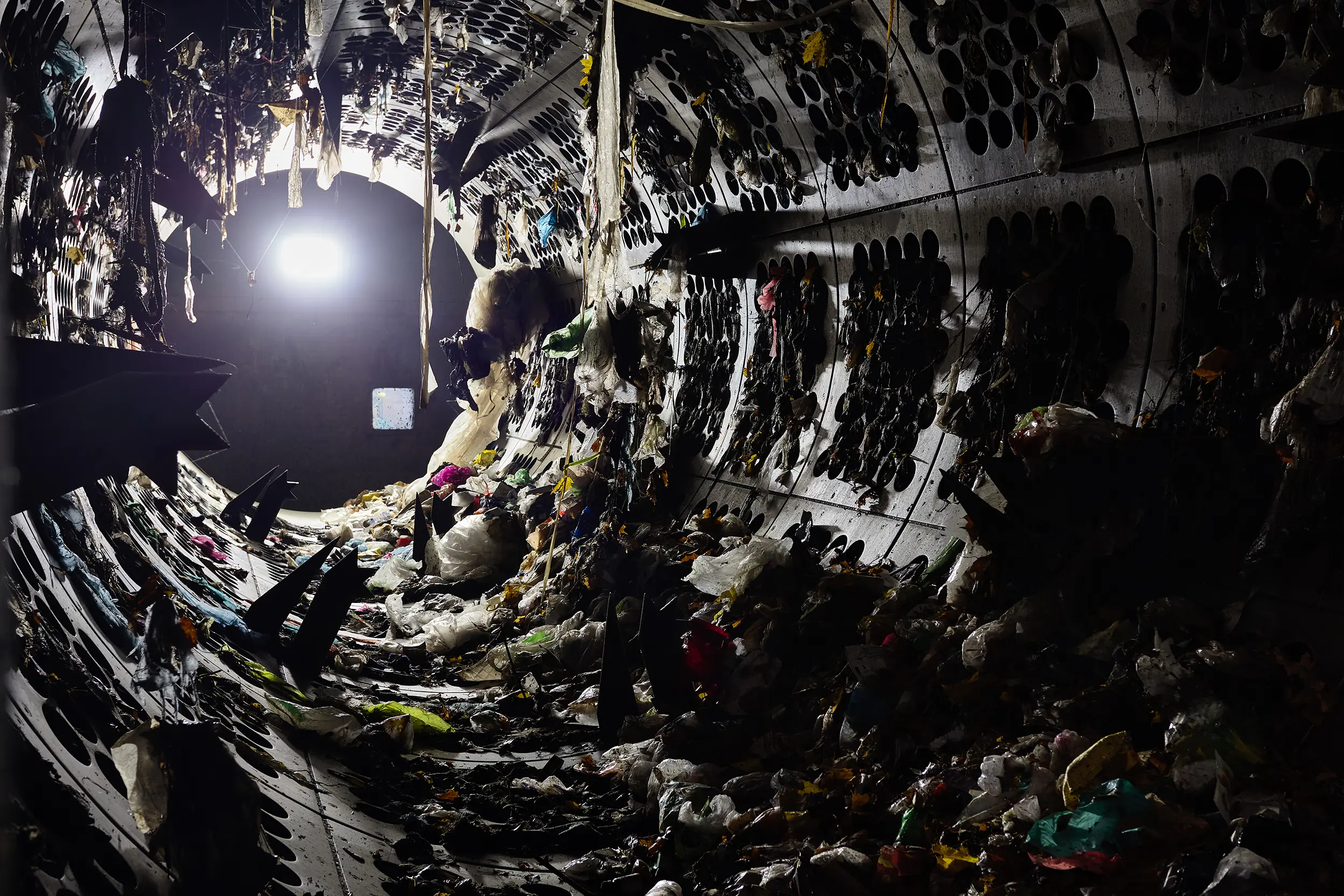
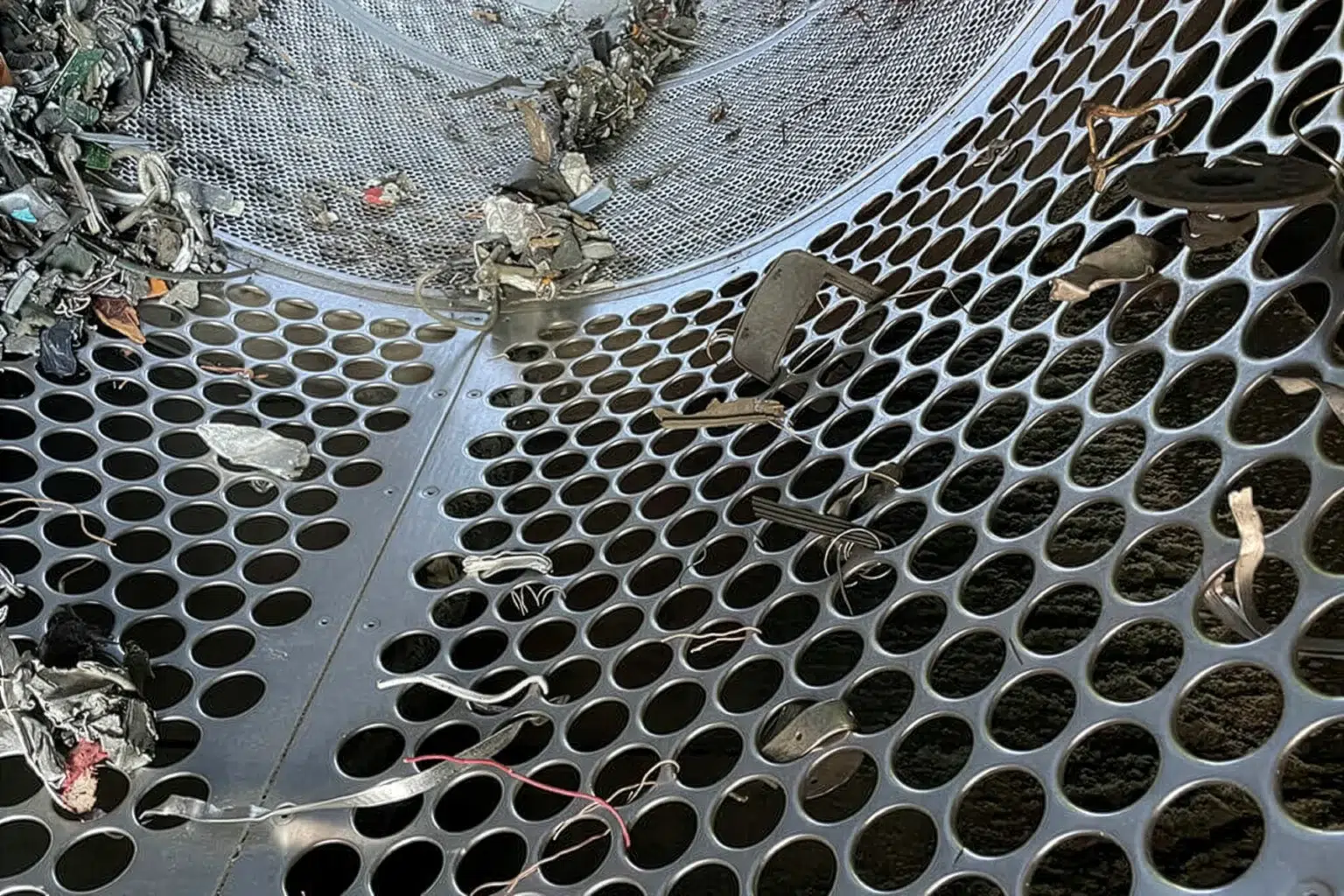
They consist of a long cylindrical drum that rotates on its own axis and is equipped with sieve perforations or sieve plates. When the material is rotated, smaller particles should fall through the perforations and larger material should be transported out of the drum.
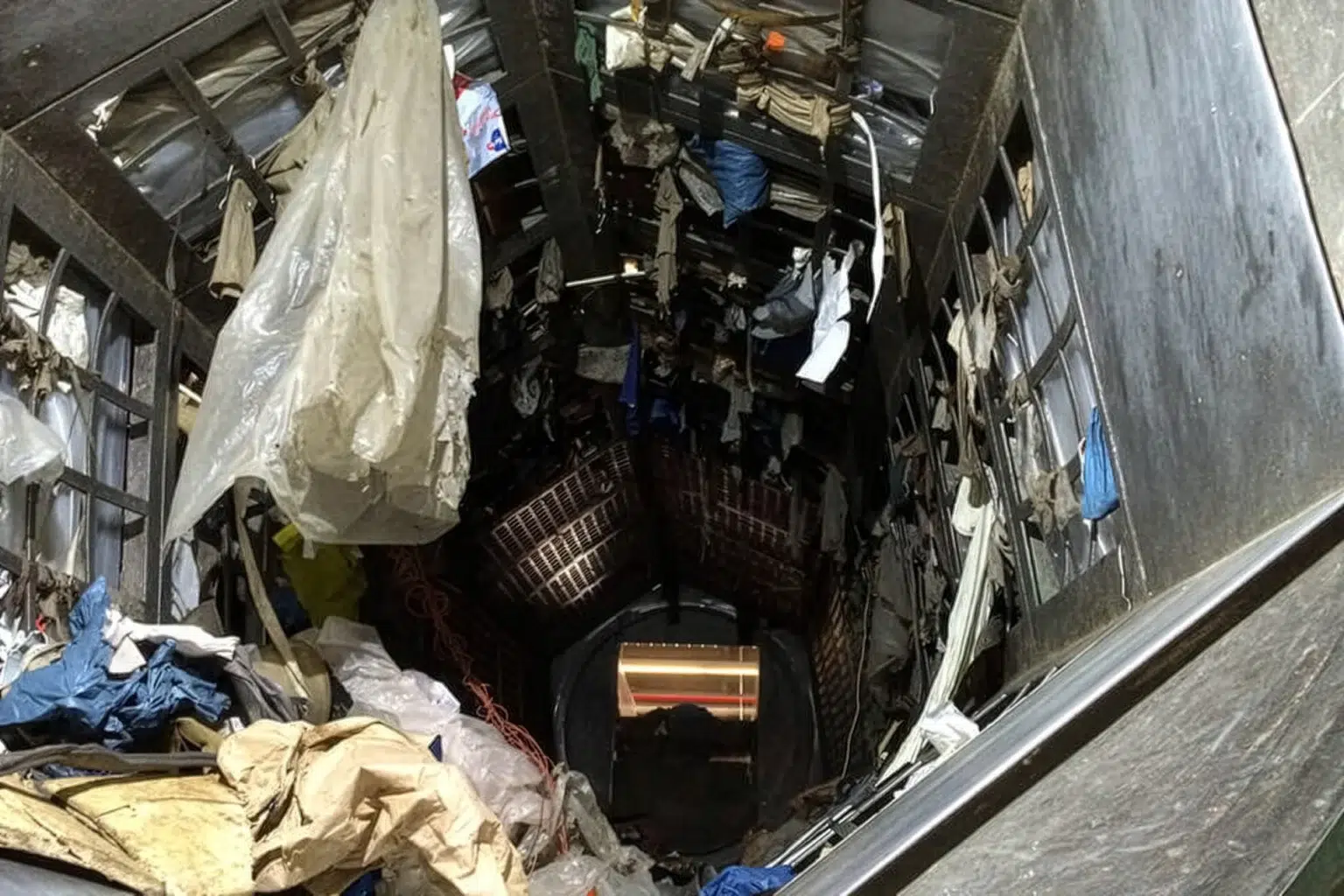
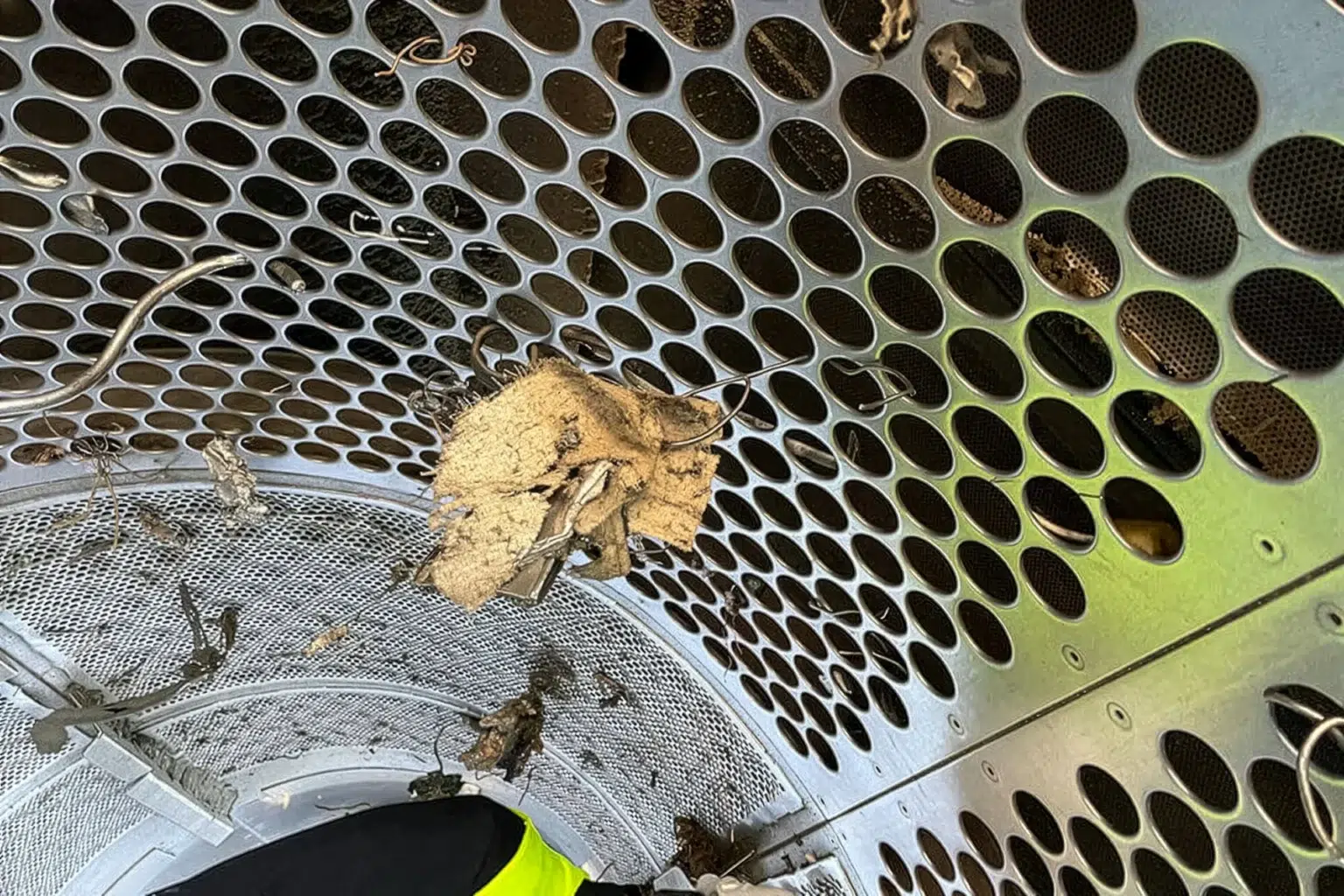
Although drum screens are relatively well known in practice due to their long history, they offer the user significant disadvantages when screening recycling materials. These include, in particular, the low selectivity and low screen quality, the associated high maintenance and cleaning costs and the inferior feeding of recycling materials to downstream sorting devices such as magnetic sorters or sensor sorting devices.
As your manufacturer of screening machines that deliver optimal screening results, we offer you top-quality alternatives for replacing drum screen systems. We would be happy to advise you on this!
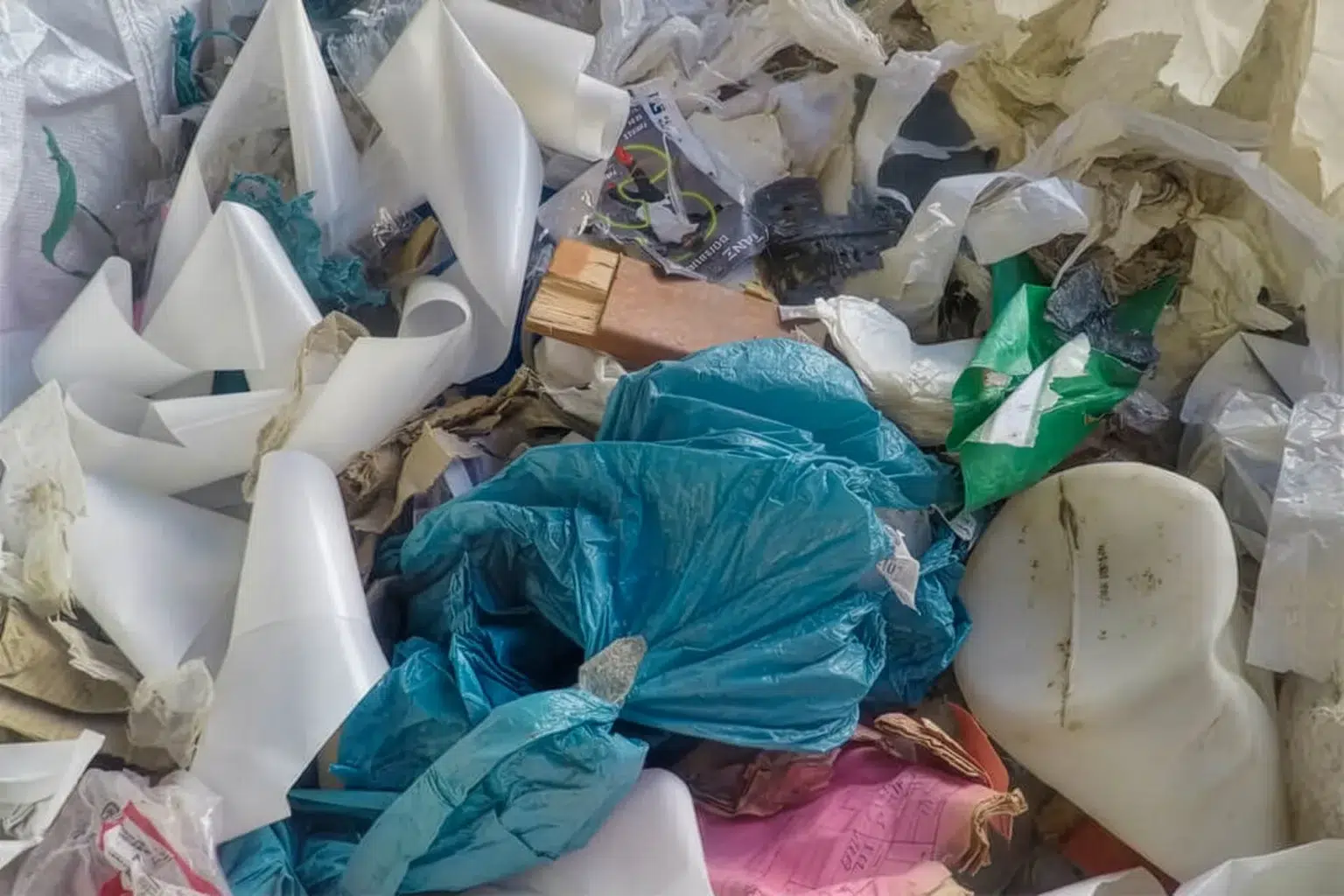
Drum screens are used, among other things, for screening rocks and soil, recycled materials, and waste. Typical applications include screening municipal solid waste, compost, Biomass, and scrap metal.
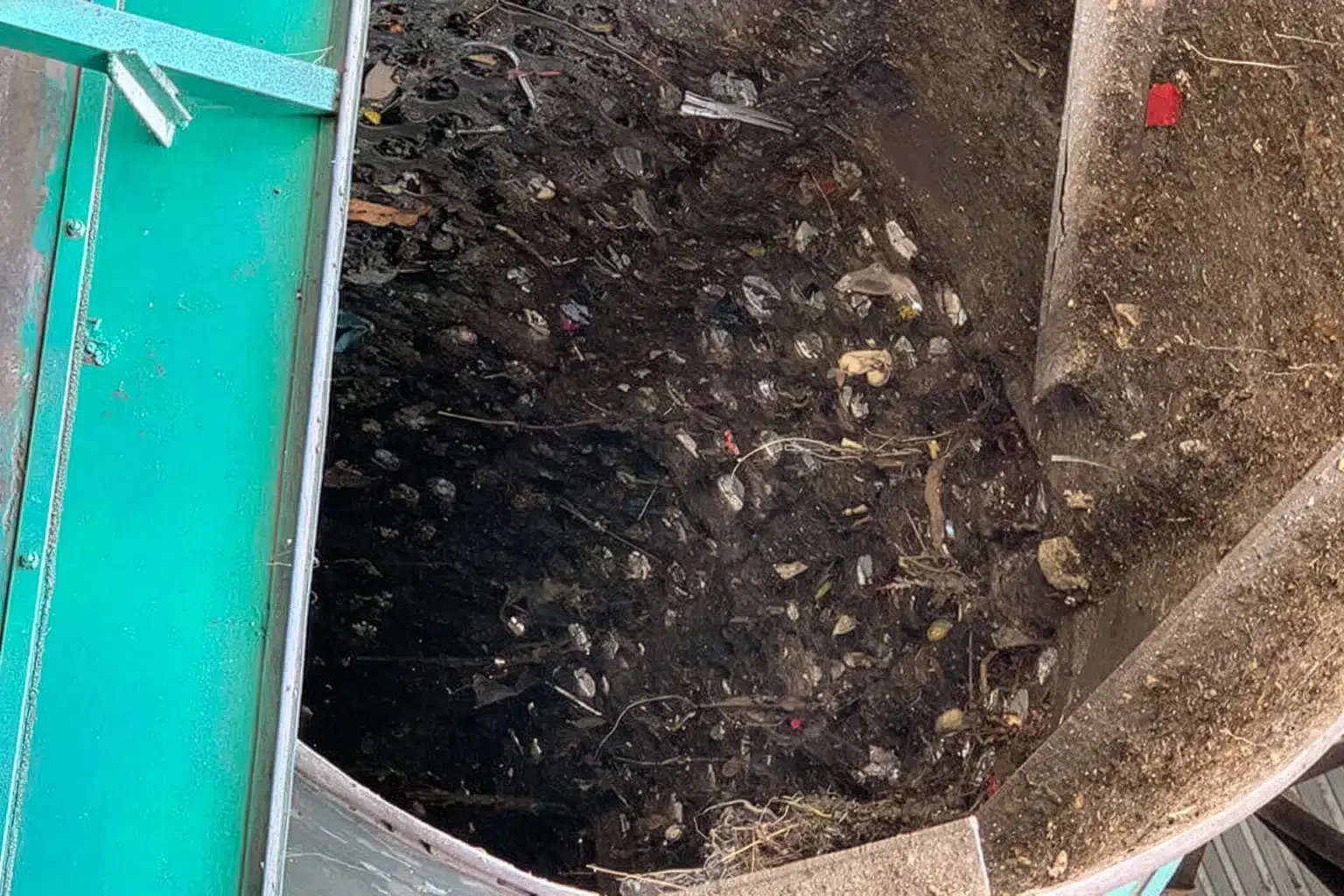
Maintenance requirements for Drum screens can be significant, particularly due to their susceptibility to Blockages. Regular inspections, cleaning, and possibly repairs are necessary.
The key advantages of drum screens include the following:
Due to their insufficient separation efficiency, drum screens and drum screening systems have difficulty achieving a high sorting quality. Especially in Recycling processes where precise separation of materials is crucial, drum screens can quickly reach their limits. Given the low sorting quality and the high cleaning costs, the reduced profitability of the entire Recycling process must also be taken into account.
The operating principle of a drum screen is based on the continuous rotation of the drum around its own axis. During screening, the material to be screened is fed into the drum. Due to a slight downward slope, the material is transported during the screening process from the feed end to the discharge end of the screening drum. Particles that pass through the perforations in the screening drum are thus pushed outward and screened out. Larger particles, on the other hand, remain inside the screening drum until they are fed to the next processing step at the end of the drum.
The main disadvantages of drum screens include the following:
Why can downstream sorting devices such as sensor or magnetic sorters sort less well if the target fraction contains unwanted long parts and off-spec particles?
Sensor-based sorting devices and magnetic sorting technology are sensitive high-performance sorting devices whose sorting quality and return on investment depend largely on the quality of the material fed in.
The following applies: the better the screening quality of the material supplied, the better the performance of the sorting technology. In short: Best Screening = Best Sorting.
The operating principle of sorting equipment, such as sensor-based or magnetic sorters, is based on the specific properties of the material being sorted. These include, for example, the density, the color spectrum or its magnetic properties. Only if they are easy to detect do these sorting devices do a good job.
If long parts are carried over into the fine fraction when drum screens are used, the sorting devices often have the problem that they cannot distinguish cleanly between shapes, lengths and materials. This results in an unwanted, but due to the screening technology used, unavoidable mixing and contamination of the material.
Experts in sorting technology confirm that long parts significantly impair the sorting result.
Would you like to improve your recycling results or optimize your screening or sorting processes? We cordially invite you to bring your materials to the SPALECK TestCenter for a day of testing. Take advantage of this free SPALECK service and benefit from our philosophy “BEST SCREENING. BEST INFEED. “FOR THE BEST SORTING QUALITY.”
Put SPALECK technology through its paces. Using your materials and on two state-of-the-art recycling lines. At the TestCenter, we develop solutions for challenging recycling tasks every day—always in collaboration with and for our customers.
You are currently viewing a placeholder content from YouTube. To access the actual content, click the button below. Please note that doing so will share data with third-party providers.
More InformationYou are currently viewing a placeholder content from YouTube. To access the actual content, click the button below. Please note that doing so will share data with third-party providers.
More Information
Economic Classification
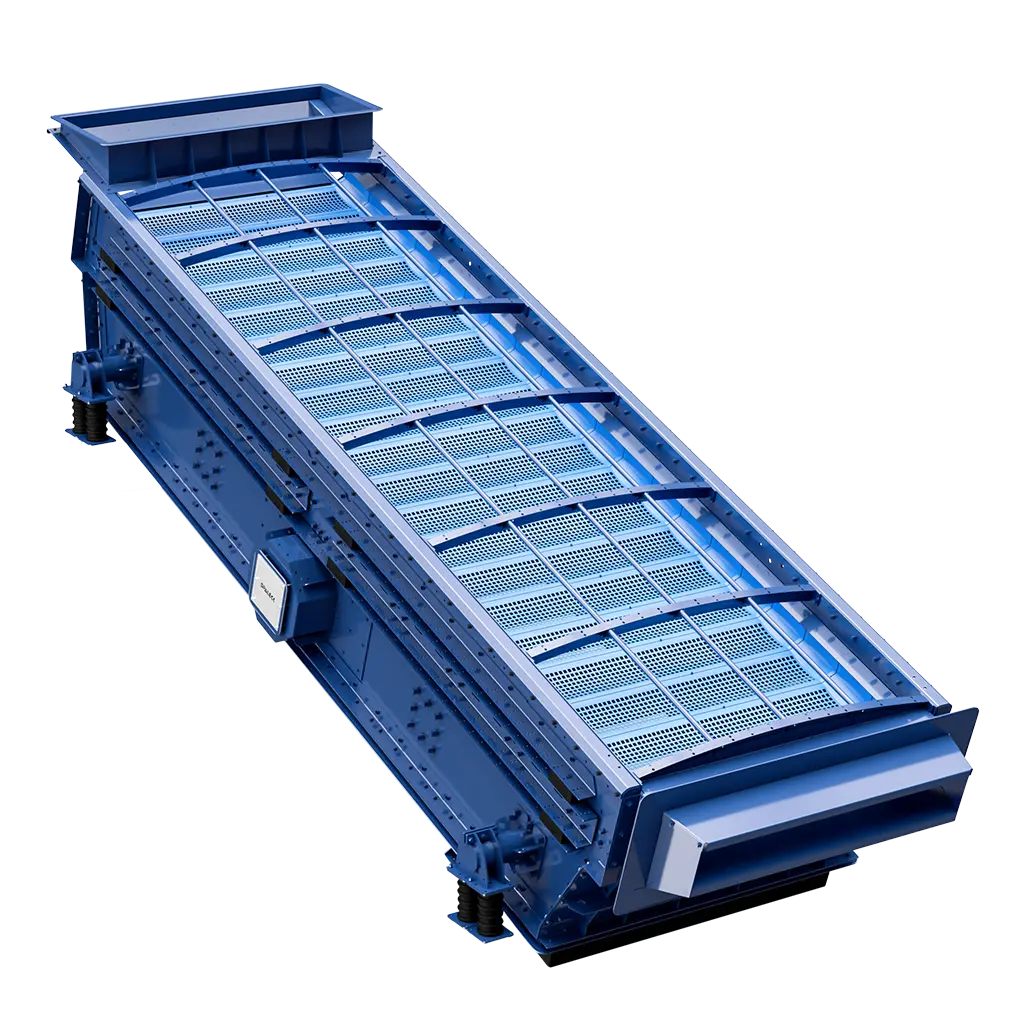
Fine Screening for Your Materials
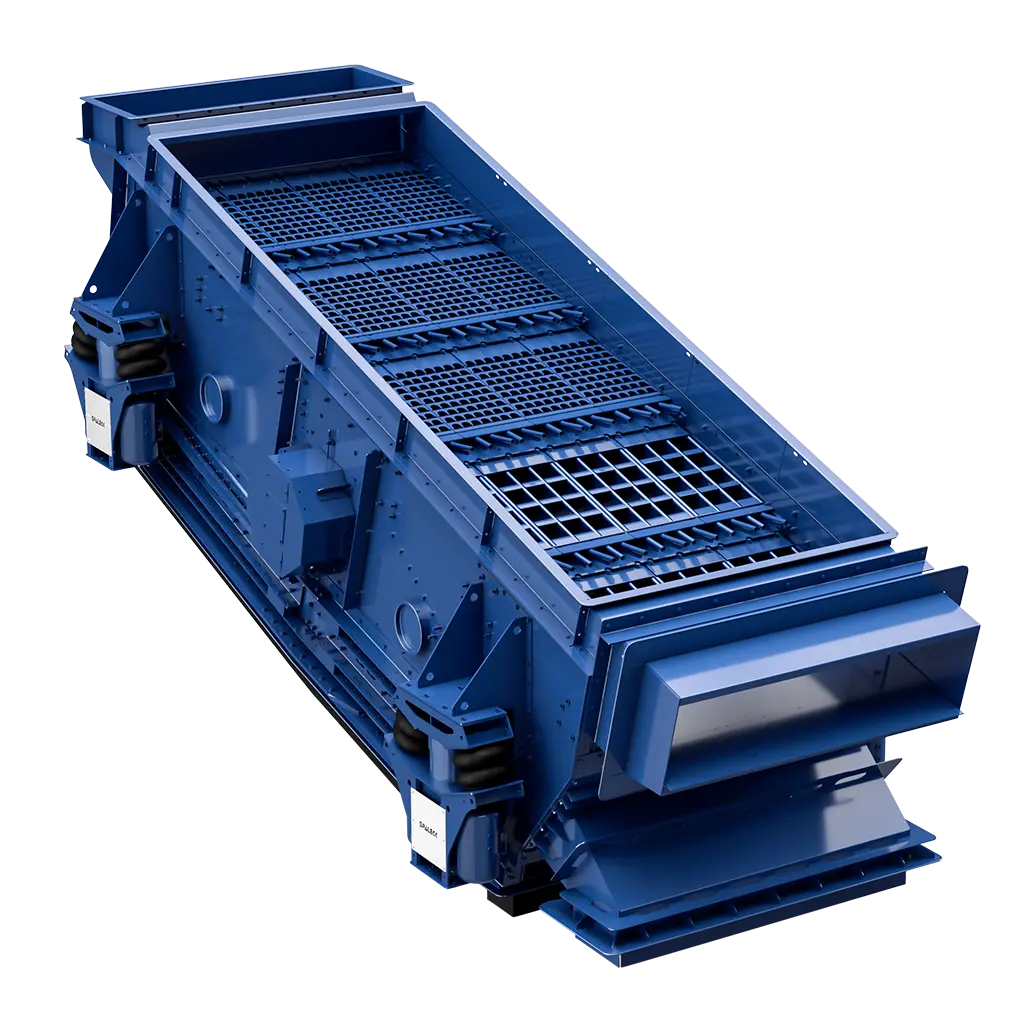
2-in-1: Recycling Screen & Tensioned-Shaft Screen
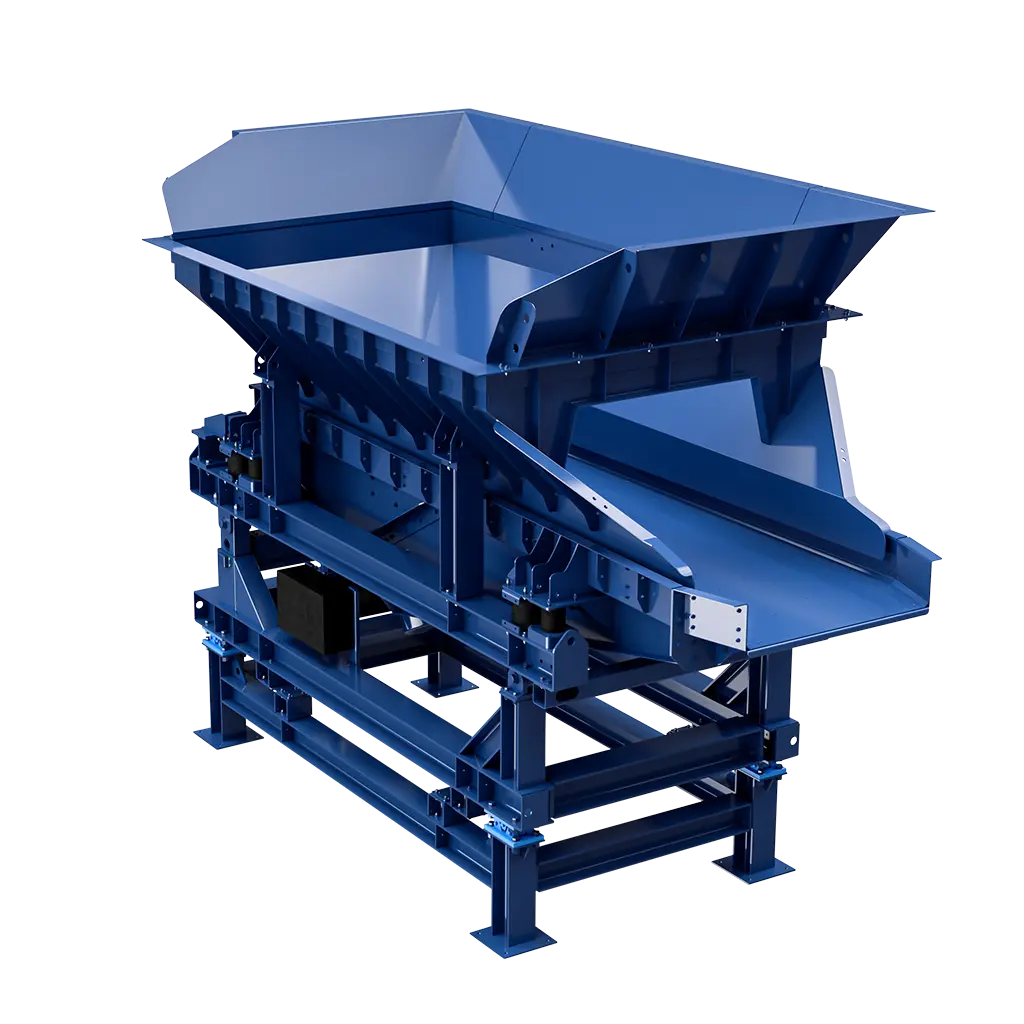
Optimizes the feed for your sorting machines
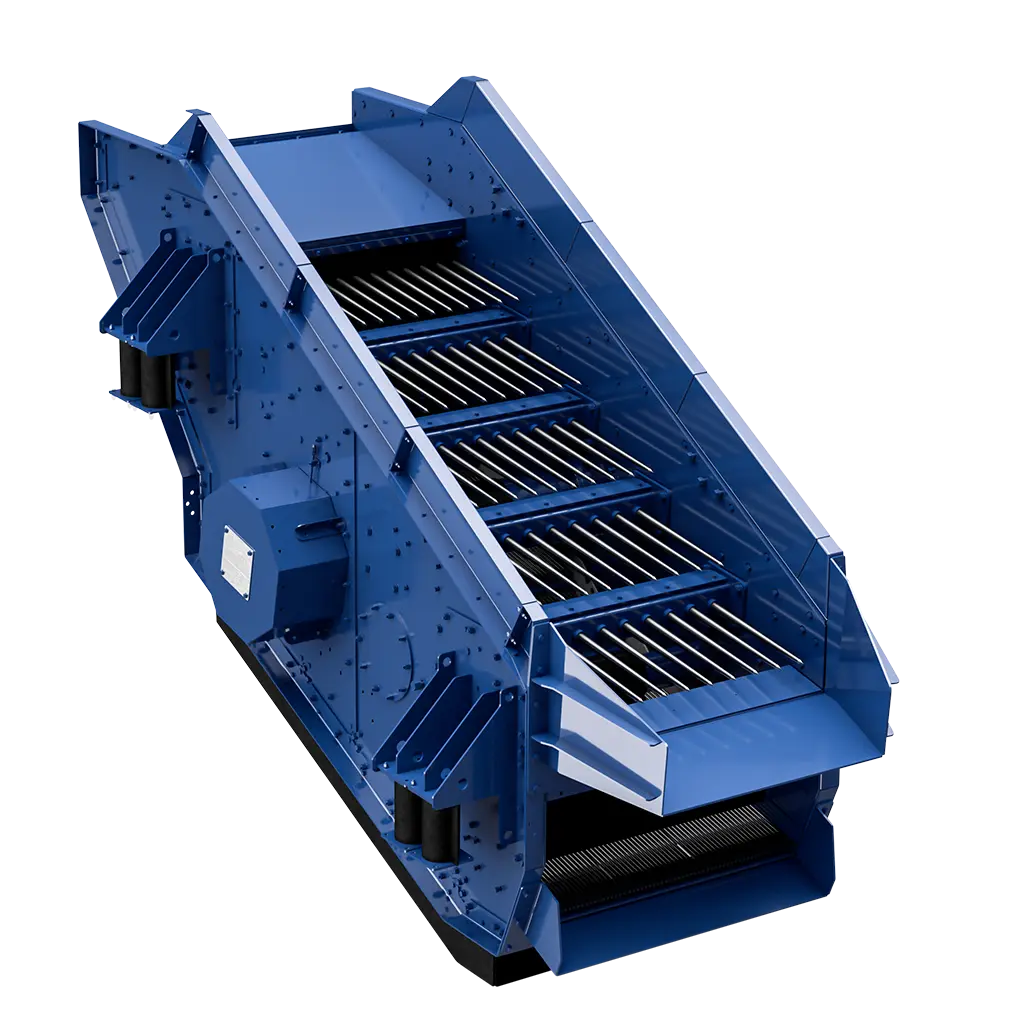
Reliable Coarse Screening & Pre-Separation
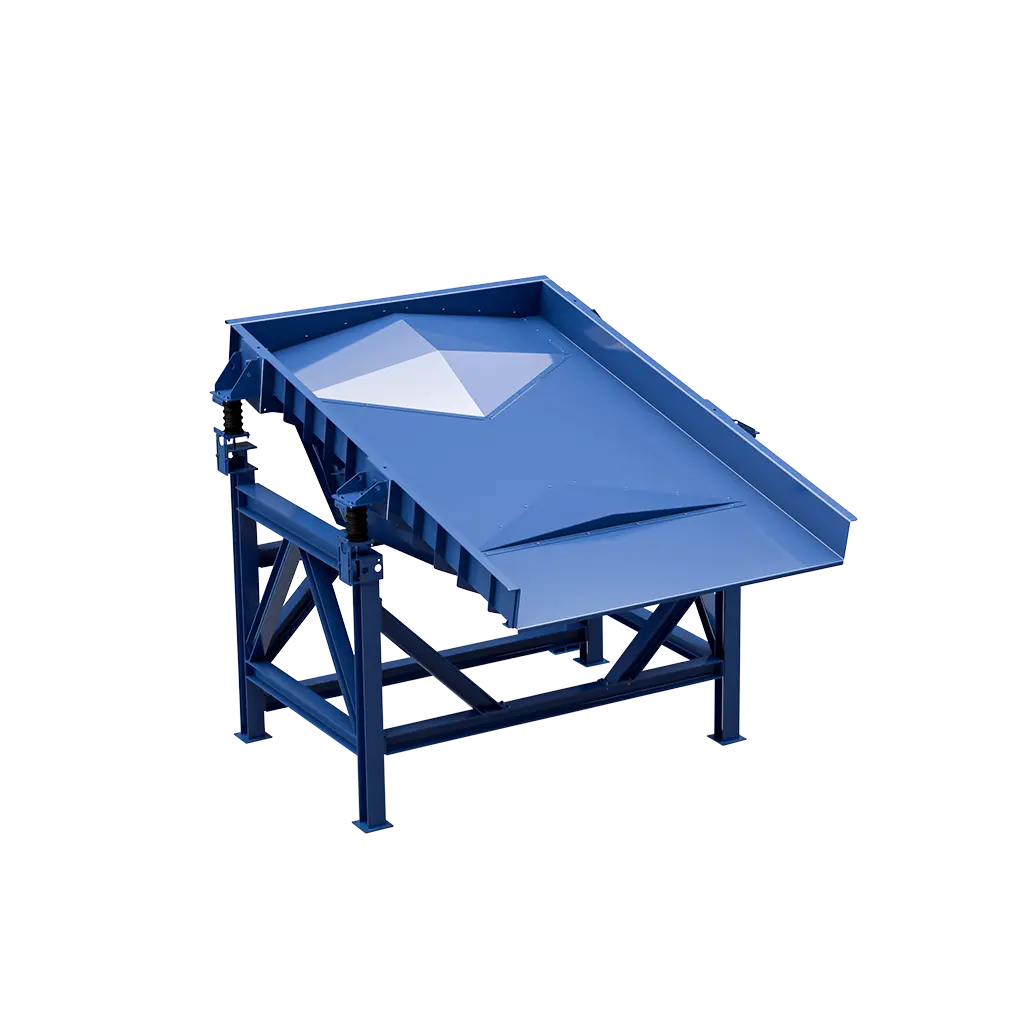
Optimal Material Feed and Distribution
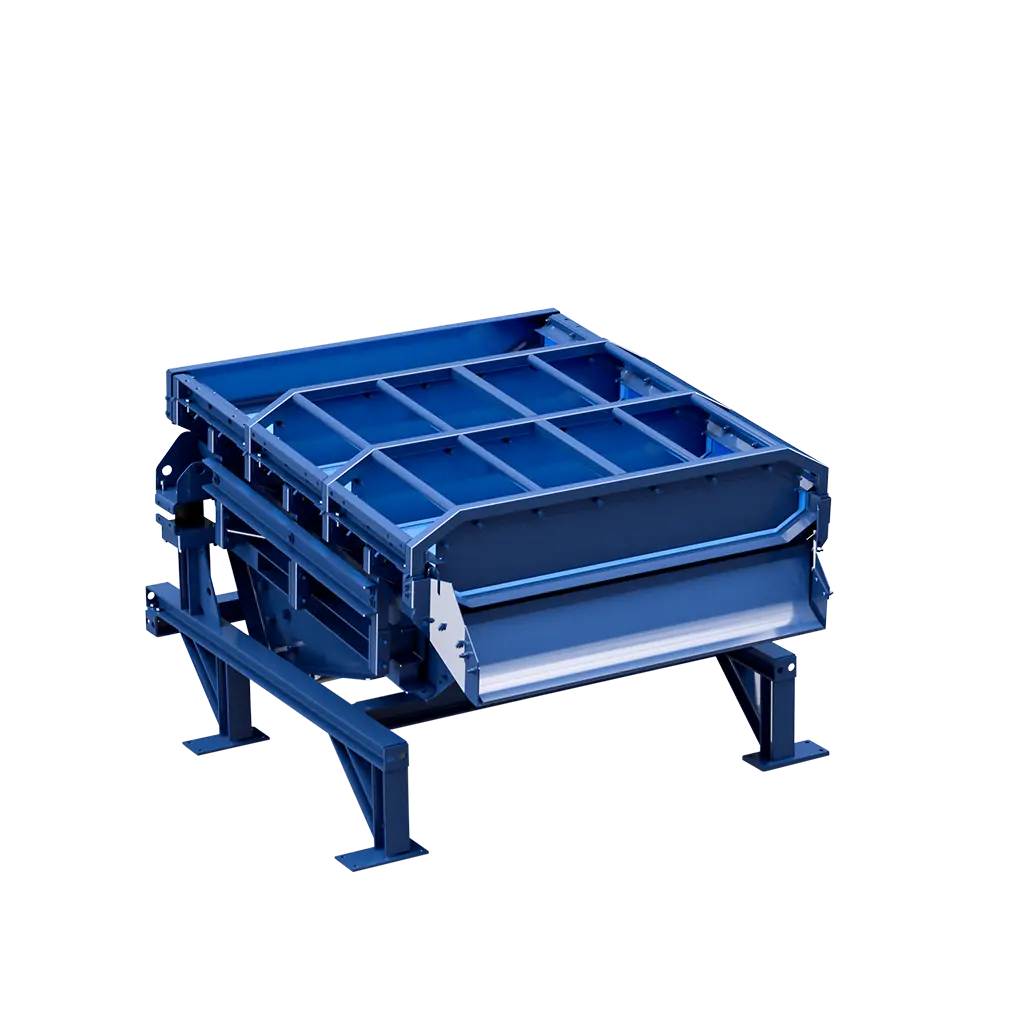
Contaminant-free transport of slag and other materials
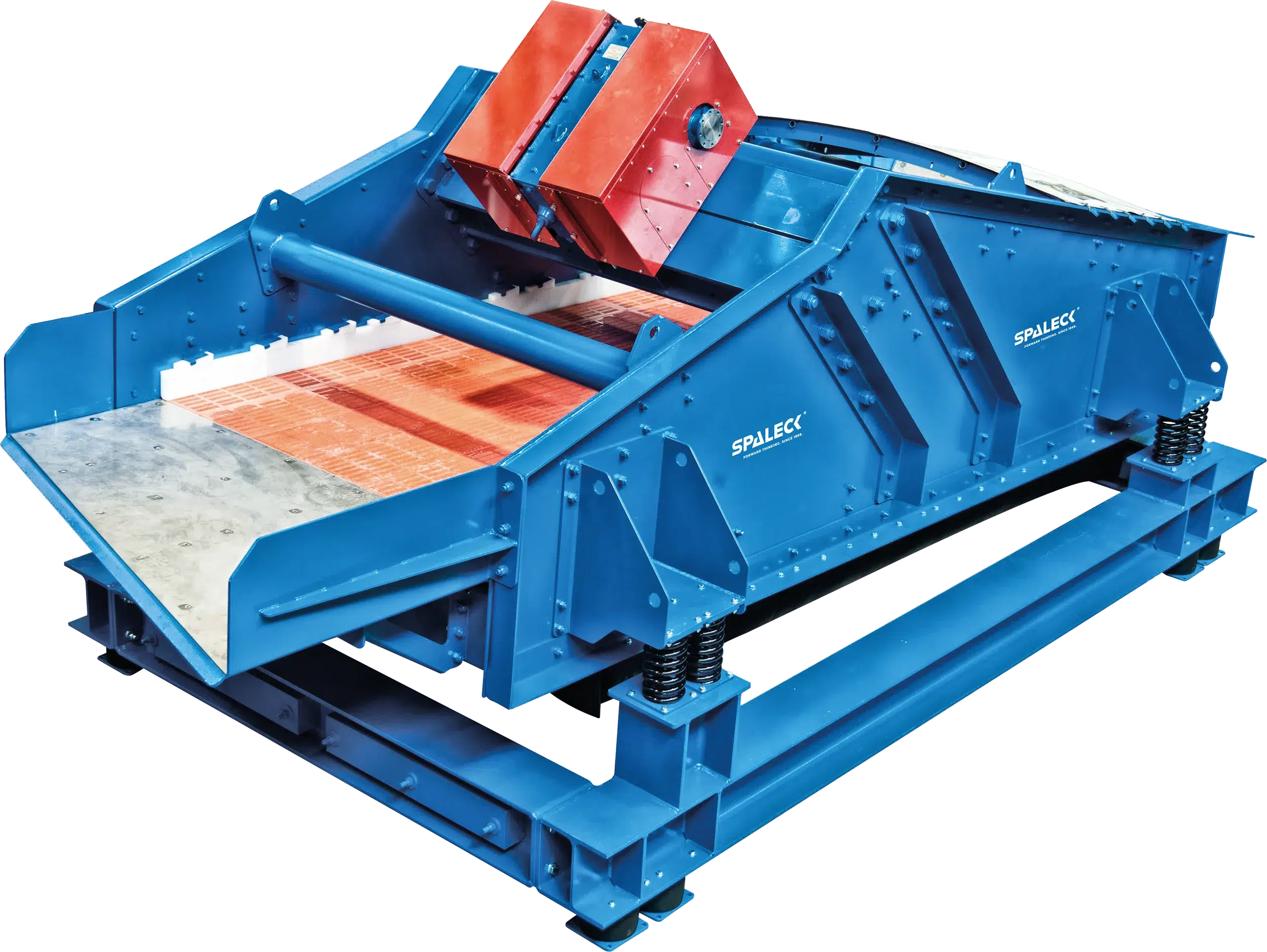
Screens for dewatering material streams
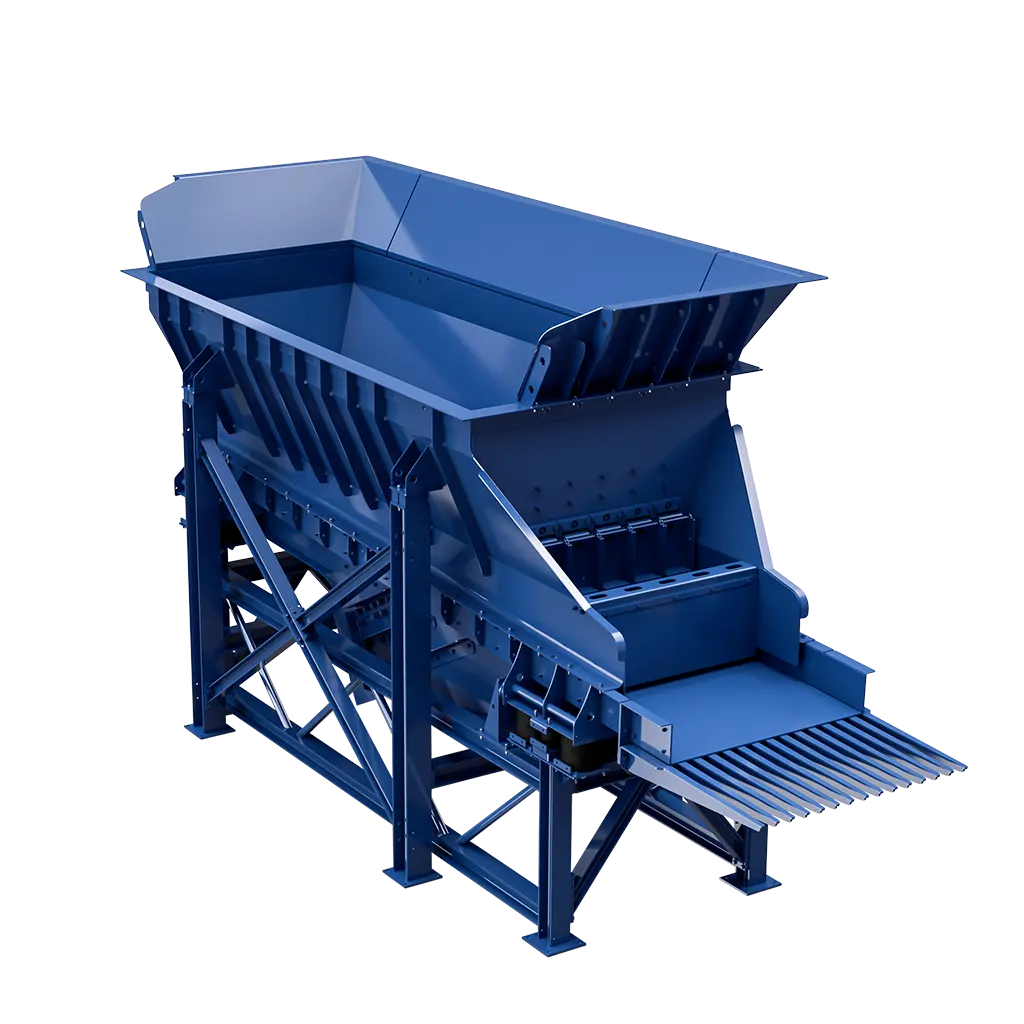
Reliable Material Feed in Your Recycling Process
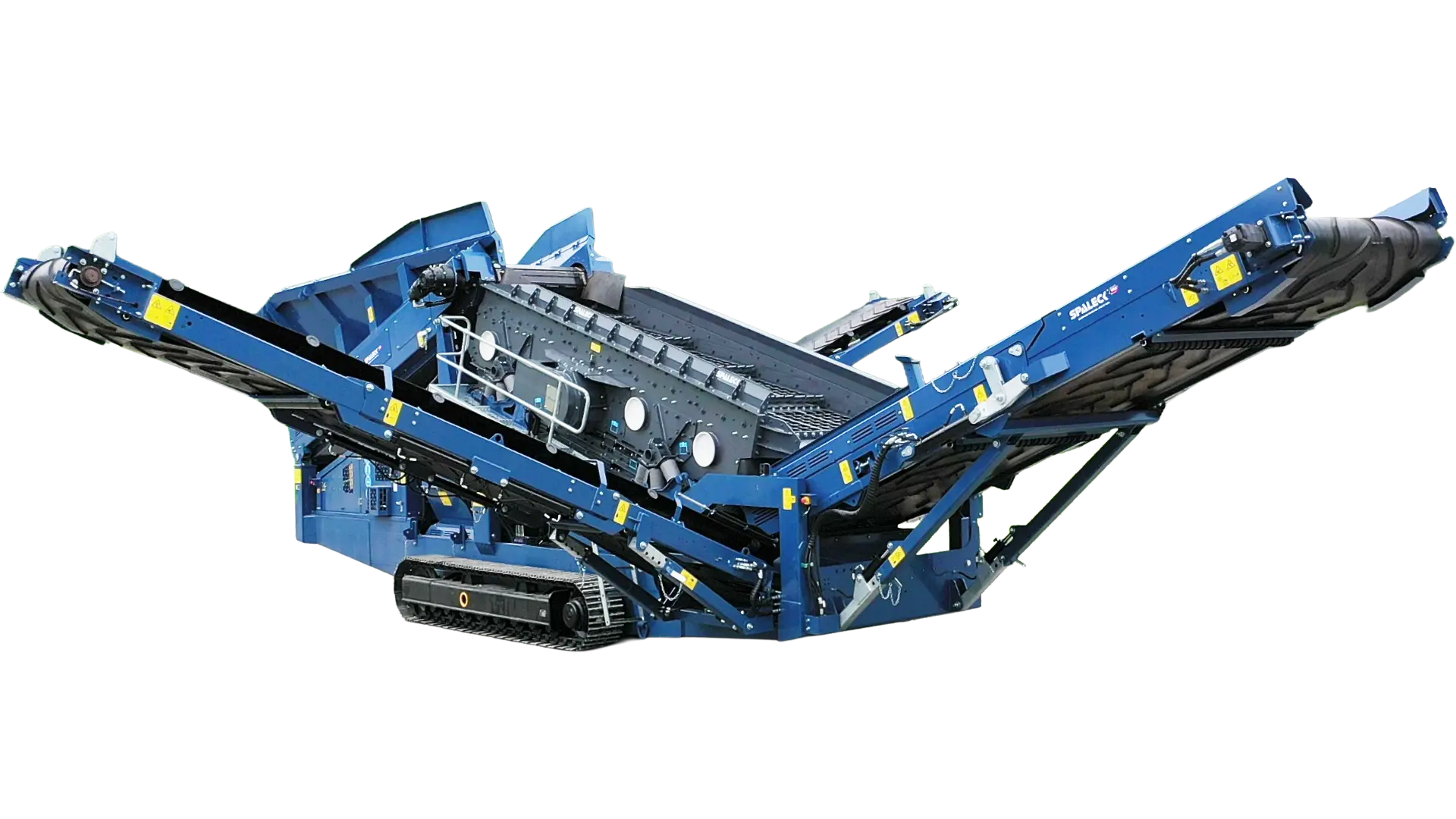
SPALECK Screening Technology—Available Anytime, Anywhere
You are currently viewing a placeholder content from Vimeo. To access the actual content, click the button below. Please note that doing so will share data with third-party providers.
More InformationYou are currently viewing a placeholder content from YouTube. To access the actual content, click the button below. Please note that doing so will share data with third-party providers.
More InformationYou need to load content from reCAPTCHA to submit the form. Please note that doing so will share data with third-party providers.

More Information