
Chat
|
Metal processing

SPALECK is certified to Level CL 1 of DIN EN 15085-2

Reading time 2 Minuten

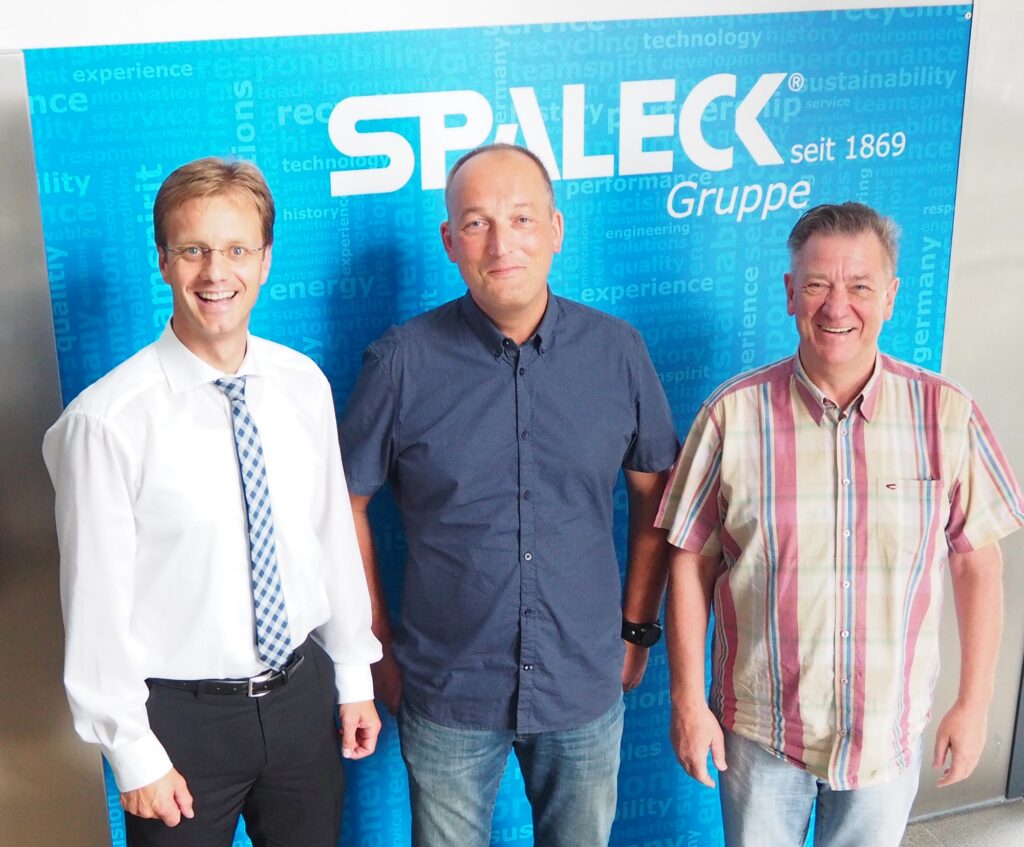
Mann mit Brille und weißem Hemd vor blauem Hintergrund.

From Rainer Elfring

Published: 10.07.2015

Updated: 07.07.2026

Share

Certification DIN EN 15085-2, level CL1

Highest level of quality and safety when welding rail vehicles

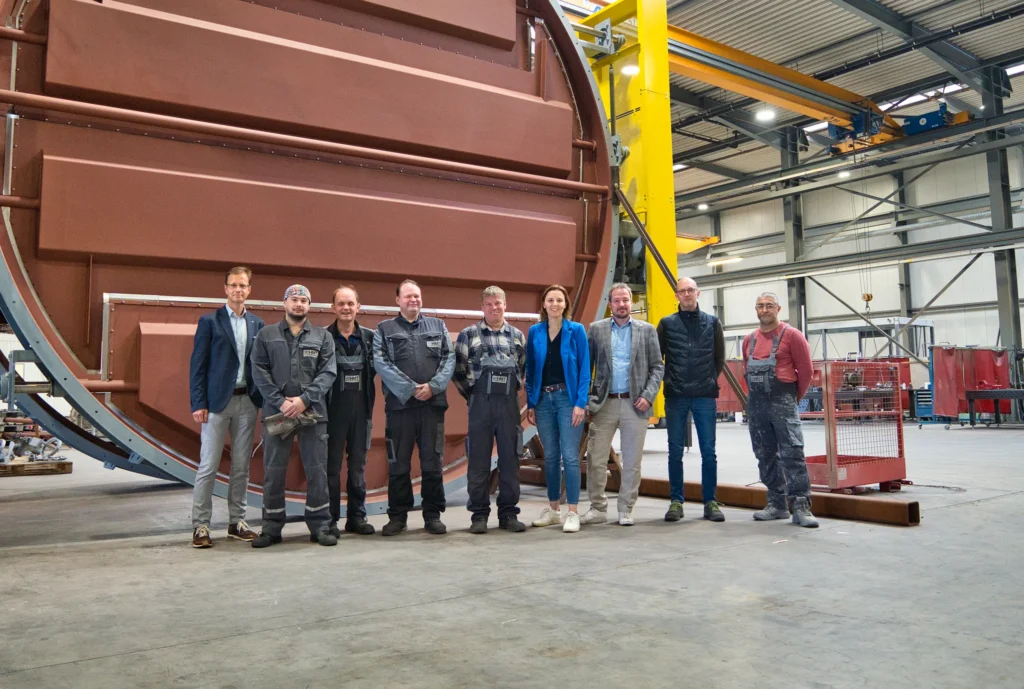
SPALECK GmbH & Co. KG has successfully achieved the highest certification level, CL1, in accordance with DIN EN 15085-2. This makes it a certified specialist company for welding rail vehicle components that are critical to safety.

Special manufacturing expertise required

As these components are important for vehicle safety, companies in Europe must be demonstrably qualified and certified to manufacture them. This is based on the European standard DIN EN 15085-2 “Railway applications – Welding of railroad vehicles and components – Part 2: Quality requirements and certification of welding manufacturers”.

Jörg Halladin, welding engineer and welding supervisor at SPALECK: “Welding in rail vehicle manufacturing places high demands on quality due to the continuous dynamic loads experienced during operation and the applicable safety requirements. At the same time, we are committed to working efficiently—both for ourselves and for our customers. Therefore, meticulous care and the appropriate expertise are absolutely essential for manufacturing these parts.”

New construction, conversion and maintenance of rail vehicles and their components

With its successful certification at Level CL1, SPALECK is consistently expanding its manufacturing expertise in rail vehicles.

“We have been certified to the second-highest certification level CL2 of DIN EN 15085-2 since spring 2014. This has already allowed us to weld unpressurized containers without special test pressure as well as simple add-on parts for rail vehicles. Now that we have achieved the highest certification level CL1, we also offer our customers welded components for the new construction, conversion and repair of entire rail vehicles and their components,” says Christian Schleif, Sales Manager of the Metal Processing division.

Certification Benefits All SPALECK Customers

SPALECK offers a truly exceptional level of manufacturing and quality—and not just to customers in the rail sector. Schleif: “Every single customer benefits directly from certification in accordance with DIN EN 15085-2, as it documents mechanical engineering at the highest level. “Whether it’s our metalworking division or the manufacture of precision parts, including 3D coordinate measurement, SPALECK stands for the highest quality. And it has been that way for five generations.”

For more information, please refer to DIN EN 15085-2 CL1 and the Q1 supplier certification from Deutsche Bahn AG.
Share

Frequently Asked Questions

The precise design of a tension-shaft screening machine is always tailored to the recycled material. Factors such as the composition of the input material, its moisture content, contaminants, throughput requirements, and the recycling goals associated with the input material form the basis for this. Working with you, we define screening sizes, purity requirements, and throughput rates, and use this information to configure the exact machine settings—from screening panels to amplitude and machine features such as the SPALECK FineSideCOVER (FSC) or our MultiDECK technology with a split push rod. Learn more here about our ModularDESIGN+ concept, which we use to find the optimal screening machine for your material. We’d be happy to test the respective recycling material together with you free of charge at the SPALECK TestCenter.

Precise screening of the fine fraction results in clearly defined particle sizes. For example, if the fine fraction ranging from 0 to 10 mm is reliably screened out, downstream sorting equipment—such as eddy current separators, NIR sorters, sensor sorters, and X-ray sorters—operates more reliably and efficiently as a result. In addition, the system’s cleaning requirements are reduced, and higher material purity levels can be achieved. You can see a good example of the benefits of a tensioned-shaft screen in the reference video on municipal solid waste processing at our Swedish customer Tekniska verken. The video demonstrates how a SPALECK tension-shaft screen reduces the load on the downstream eddy current sorters and NIR sorting processes. You can find all the details about the project here.

The service life of screening mats for Flip-Flow screening machines depends heavily on the recycled material, the Recycling process, and factors such as the abrasiveness of the material stream. In many recycling applications, very long service lives are possible. Thanks to our bolt-free, modular clamping system, individual screening mats can be replaced quickly and easily as needed. You can see how this works in the video on our landing page for tension-shaft screen machines. You can get a competitive quote for replacement screening mats through our spare parts service.

You might also be interested in these blog posts

READY FOR BETTER SCREENING

Together, we optimize your recycling process