Chat

How Metal Recycler Koslow Is Optimizing Its Sensor Sorting Process

Maximum transparency and sorting quality thanks to ActiveFEED

Iwan Kowlos GmbH & Co. KG, a medium-sized metal recycling company based in Landshut, is one of the most innovative metal recyclers in Germany. The company’s goal is to provide its customers with excellent sorting quality in a reliable and highly cost-effective manner. Since 2013, it has relied on SPALECK conveyor and separation technology for this purpose. In a recent retrofit project, the recycling specialist switched the material feed for its sorting lines to the ActiveFEED feed hopper. This offers him significant efficiency gains in plant operations:

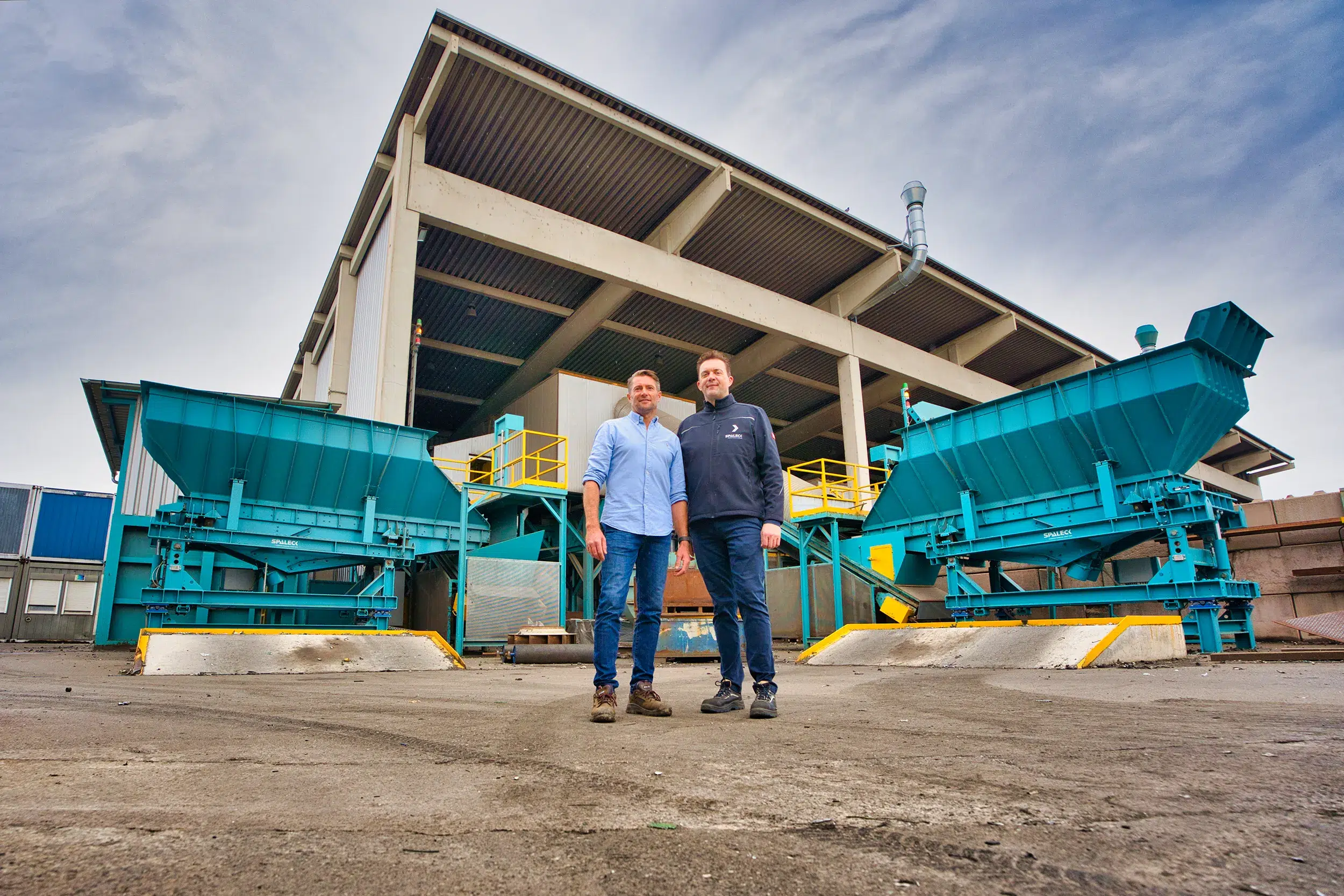
Michael Kannengießer (Koslow) and Christian Lake (SPALECK) are standing in front of the sensor-based sorting system for metal recycling. To the left and right of them are two SPALECK ActiveFEED feed hoppers, which optimize the material feed to the sorting machines in the metal recycling process.

Non-ferrous Metal Recovery

optimized

Performance Improvement

2 layers instead of 3

Sorting Quality

precisely controllable

PROJECT PROFILE

Koslow optimizes its entire sensor sorting process "at the push of a button"

Increased efficiency and material recovery through intelligent material feeding.

Customer

Iwan Koslow GmbH & Co. KG, Germany

Industry

Metal Recycling / Non-Ferrous Metal Processing

MATERIAL

End-of-life vehicles, scrap iron, SLF, SSF, waste electrical and electronic equipment

Process

Precise screening using a recycling screen, followed by optimized feeding into the sorting system

REFERENCE TOPICS

Retrofitting the Material Feed System as a Lever for Improving Material Quality and Reducing Production Costs

SPALECK SOLUTIONS

IN ACTION

Koslow uses these SPALECK machines

recycling screen, waste screen, recycling, Spaleck

Classification

Since 2013, the recycling screen has replaced a drum screen. A clear advantage: significantly higher metal yield and virtually maintenance-free operation.

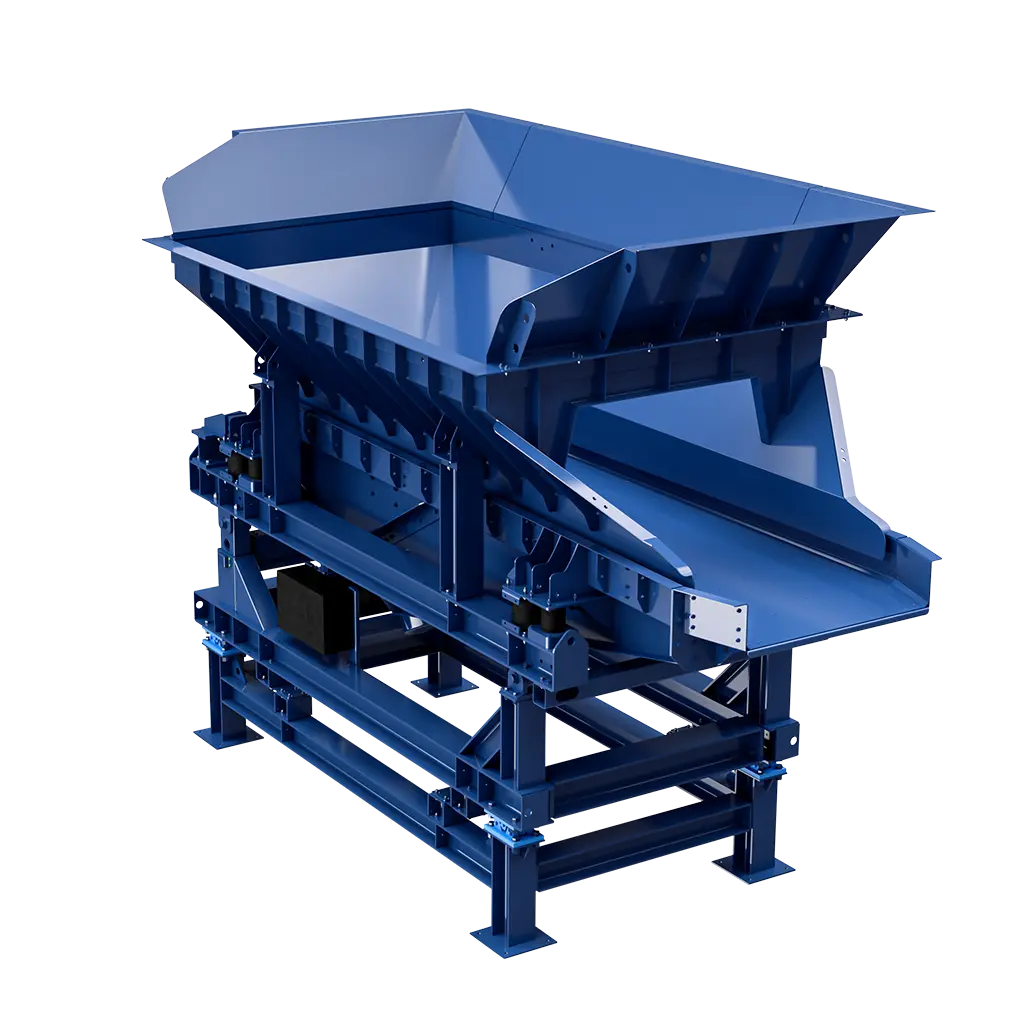
SPALECK ActiveFEED Feed Hopper for optimal material feed to sorting machines in recycling.

Retrofit to Replace Box-Type Silos

Koslow switched its sorting lines to ActiveFEED because of the economic benefits. The exchange was simple, and the benefits were immediate.

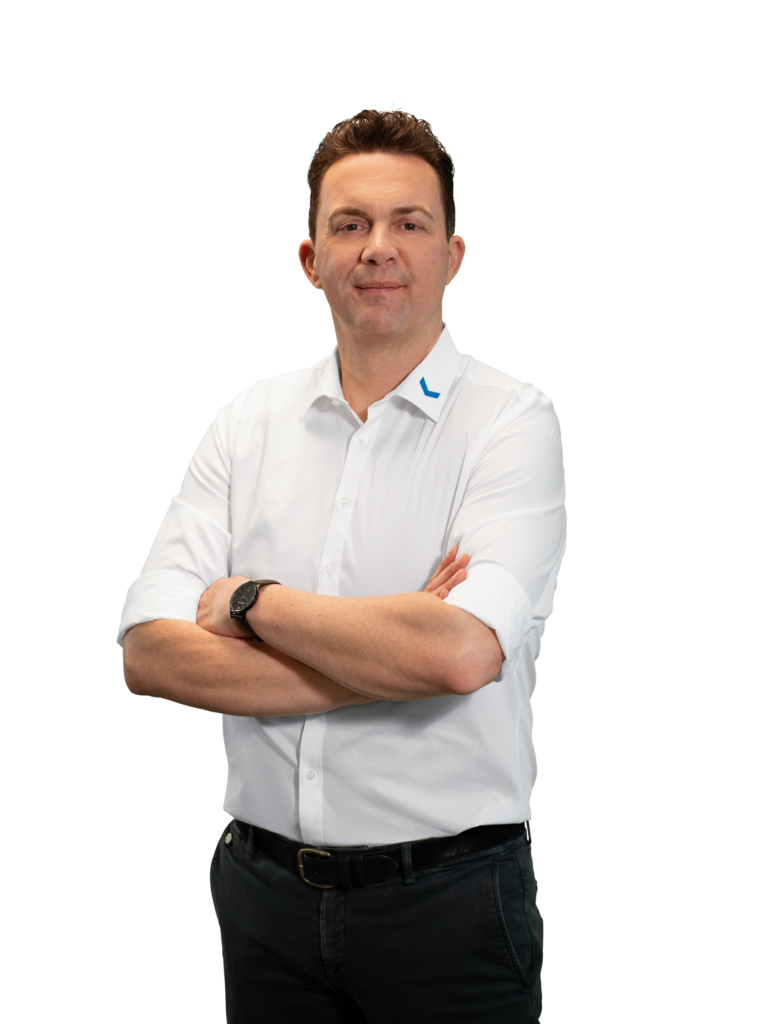
A man in a white shirt is pointing to the side.

Discussion with our expert on material feeding and screening technology in metal recycling

Discuss a retrofit or new project now

Would you like to learn more about how to increase efficiency through optimized material feed and screening quality? Then we’d be happy to discuss your recyclable materials and how you plan to process them. I’d be happy to show you more references and examples.

THE INITIAL SITUATION

Sorting technology requires the right material feed and screening

Koslow has over 80 years of experience in metal recycling. During this time, the company is constantly optimizing its processes. By replacing the previous material feeding system, we have now created a significant opportunity to improve sorting quality and reduce production costs per metric ton.

Drone photo of sensor sorting at Iwan Koslow GmbH & Co. KG. In the foreground and spread across the center of the image, you can clearly see six of the eight SPALECK ActiveFEED feed hoppers that Koslow retrofitted into its sorting lines to optimize the efficiency of its sensor-based sorting process.
A view of a laptop showing the material feed of the SPALECK ActiveFEED in metal recycling. It is clear that the operator has set a target rate of 8.0 t/h for the heavy fraction and that ActiveFEED is automatically feeding it to the sorting machine. This prevents the metal recycler from experiencing blockages or under- or overfeeding of its sorting equipment.

Project Goal

Optimal plant control and planning for the entire metal recycling sorting facility

Maximum system controllability and transparency for the plant operator

Full performance of the sorting technology thanks to ActiveFEED

In the video, Michael Kannengießer talks about the benefits of his eight ActiveFEED units in metal recycling. For plant operators, these provide maximum transparency regarding plant operations and enable significantly greater efficiency and cost-effectiveness.

You are currently viewing a placeholder content from YouTube. To access the actual content, click the button below. Please note that doing so will share data with third-party providers.

More Information
Aerial view of a SPALECK screening machine for metal recycling. The machine is integrated into a metal recycling plant and feeds a total of three fractions, sorted by size, into the plant.

The Spaleck Solution

Screening and Material Feeding: Working Together for Sorting

Koslow focuses on optimizing the entire metal recycling process. The SPALECK recycling screen sorts the material by particle size. The screen liners used require virtually no cleaning and prevent the carryover of long pieces and fine particles.

The newly installed ActiveFEEDs replace the old feeding system. What’s new is that, for the first time, the plant operator can feed the optimal amount of a given material into the sorting process at the push of a button. And all this without interruptions and with optimized layer height and belt occupancy for the best sorting quality.

ActiveFEEDs also provide operators with relevant KPIs in real time. This gives him a very clear picture of how his investments are performing in real time.

Customer Benefits

How Koslow Rates SPALECK Technology

TRANSFERABILITY for Your Processing

Improving Sorting Quality

Each of the eight ActiveFEED feed hoppers supplies a sorting machine, including eddy current separators, XRF sorters, X-ray sorters, and combination machines. This ensures that they are continuously, fully automatically, and without clogging fed the optimal amount of material. This makes it possible to

Drone photo of two SPALECK ActiveFEED feed hoppers at a metal recycling facility. Both ActiveFEED units feed different metal fractions to the downstream sorting equipment. On the conveyor belts fed by the ActiveFEED units, you can clearly see how consistently and in just the right amount the material is dispensed by the ActiveFEED. Similarly, both bunkers feature a traffic-light system that allows the wheel loader operator to see at a glance which ActiveFEED needs to be refilled and when.

Technology

Technical Details at a Glance

The material feed for the non-ferrous metal recycling plant in Wörth an der Isar has been fully converted to the ActiveFEED system. To this end, the old belt feeders were replaced with the intelligent feeding technology of the ActiveFEED feed hopper. The switch is technically straightforward and offers seamless integration into existing systems.

Optimal Material Feed

No matter what the input material is, ActiveFEED delivers the amount specified for the respective sorting process to the sorting machine.

Relief for Employees

From wheel loader operators to manual sorters: ActiveFEED enables safe and efficient work.

Trouble-Free Operation

No blockages, no underfilling or overfilling of the sorting system, and no unintended interruptions in the material feed.

Efficiency gains save an entire shift

With its optimized material feed, ActiveFEED enables significant efficiency gains for the plant’s overall operation.

Your contacts for SPALECK Conveyor & Separation Technology

Do you have a project idea, need more information about a screening machine, or want to test your material at the SPALECK TestCenter? We’re always happy to help!

TRANSFERABILITY for Your Processing

Concepts for Sophisticated Metal Recycling Processes

The project shows that the quality of the treatment is largely determined by the upstream process steps. The combination of classification and controlled material feed can be applied to many applications:

Aerial view of the sensor sorting facility at the metal recycling company Iwan Koslow GmbH & Co. KG. Clearly visible are six of the eight SPALECK ActiveFEED feed hoppers, which enable Koslow to operate its metal recycling business much more efficiently and successfully.
A man in a white shirt points to the side, which fits the theme.

BEST SCREENING. BEST SORTING. FOR YOUR METAL RECYCLING.

Discuss the next step now

Would you like to learn more about our screening machines for metal recycling? Or are you perhaps planning a new project and would like to conduct extensive sieving tests on your material at no cost? Then let’s talk about your material now. I’d also be happy to show you additional case studies featuring SPALECK screening machines in the non-ferrous processing industry.

BEST SCREENING. BEST INFEED. FOR THE BEST SORTING QUALITY.

SPALECK ActiveFEED in Recycling

Everything You Need to Know

FAQs

Here are some questions about the SPALECK Activefeed feed hopper. We’d be happy to help you find the right solution.

ActiveFEED enables a very quick return on investment, as the optimized material feed to the sorting equipment makes it very easy to process more material in less time and achieve higher sorting quality. As a rule, the payback period is therefore well under one year.

ActiveFEED increases transparency and gives plant operators greater control over their recycling processes by allowing them to manage their material feed—and thus the throughput of their recycling plant—both in advance and in real time. For example, he has real-time information about

  • exact amount of materials processed
  • Capacity of each individual sorting machine
  • Performance Comparisons Between Individual Shifts
  • ActiveFEED reliably dispenses the desired amount regardless of the operator’s level of experience
  • Optimal utilization of the wheel loader operator by providing information on which hopper needs material replenished and when

With ActiveFEED, many recycling companies can eliminate entire shifts and significantly reduce their workforce. This is made possible by the optimized, jam-free material feed provided by ActiveFEED. This eliminates the need for extra work caused by blockages, unintended idling of the sorting equipment, and inefficient monitoring of hopper fill levels by the wheel loader operator. All in all, this saves a lot of work time.

READY FOR BETTER SCREENING

Together, we'll optimize your recycling process